GongzhengGongzhengGongzhengGongzheng GongzhengGongzhengGongzhengGongzheng GongzhengGongzhengGongzhengGongzheng GongzhengGongzhengGongzhengGongzheng

Truck And Trailer Relay Valve Systems Wholesale

Air Brake Distribution Components

Truck And Trailer Relay Valve Systems

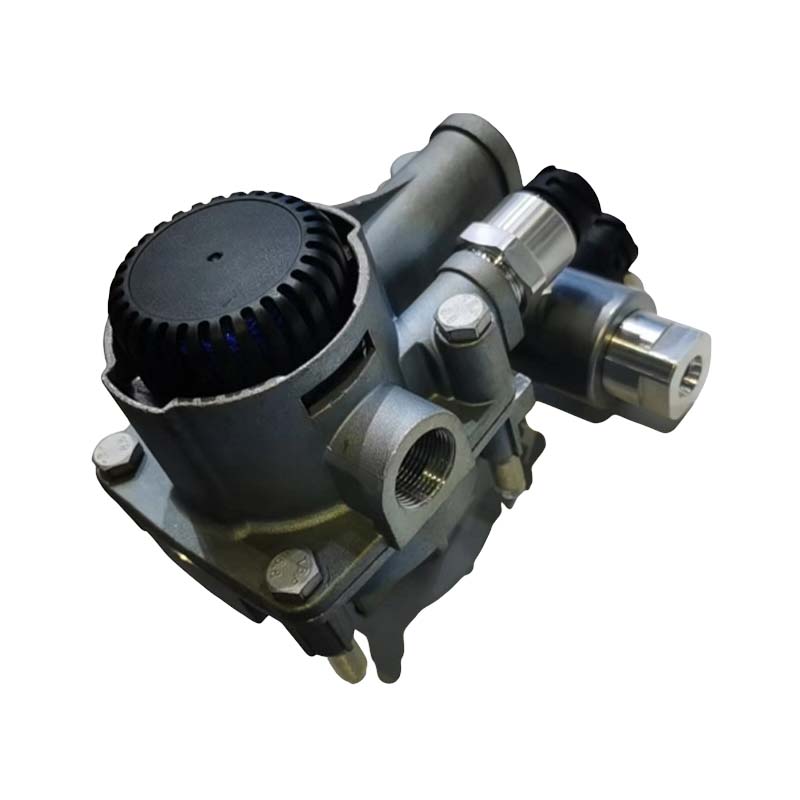
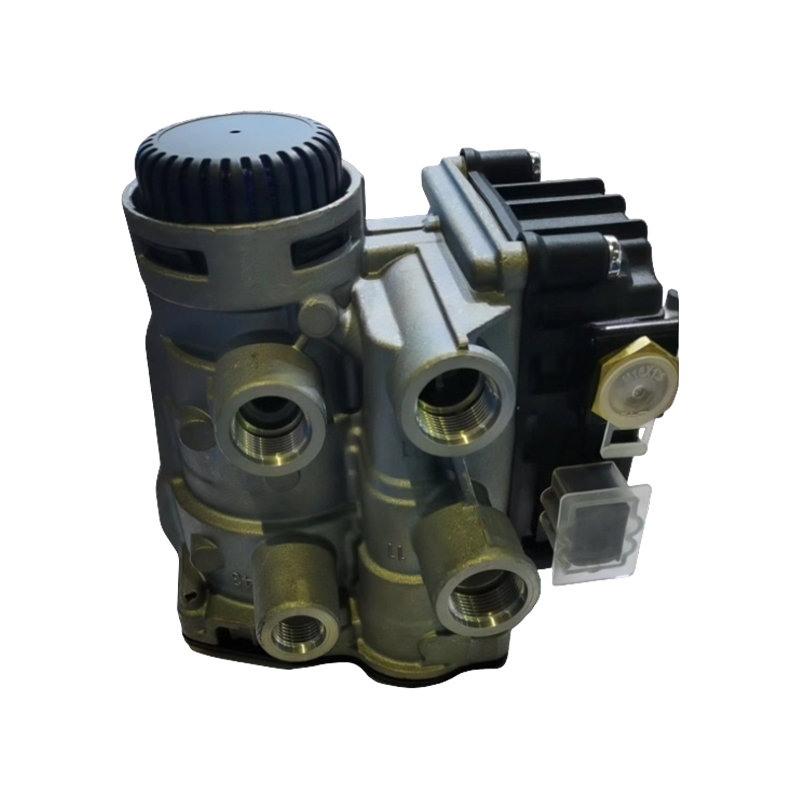
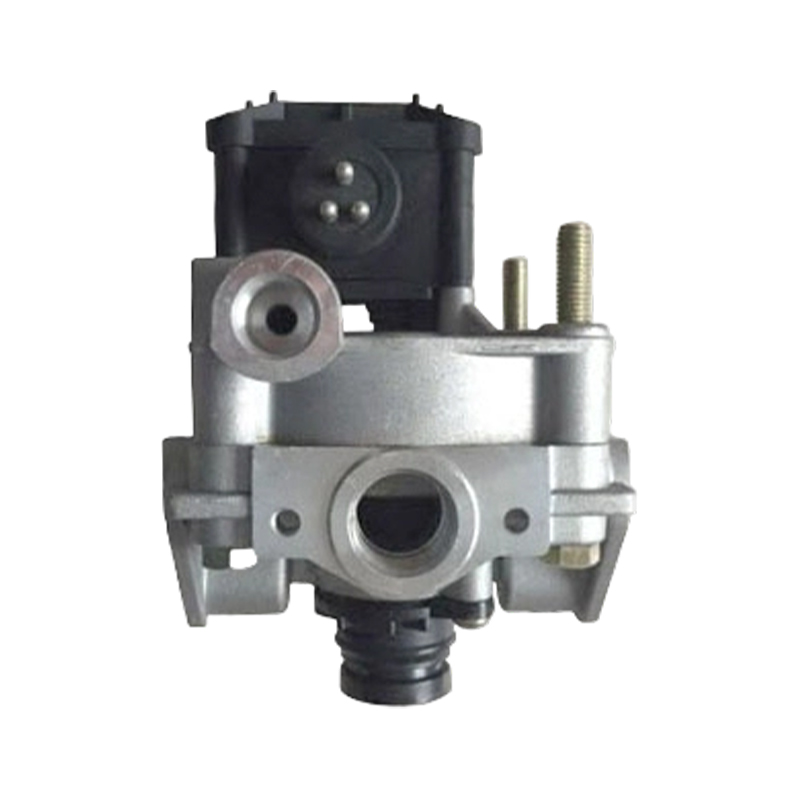
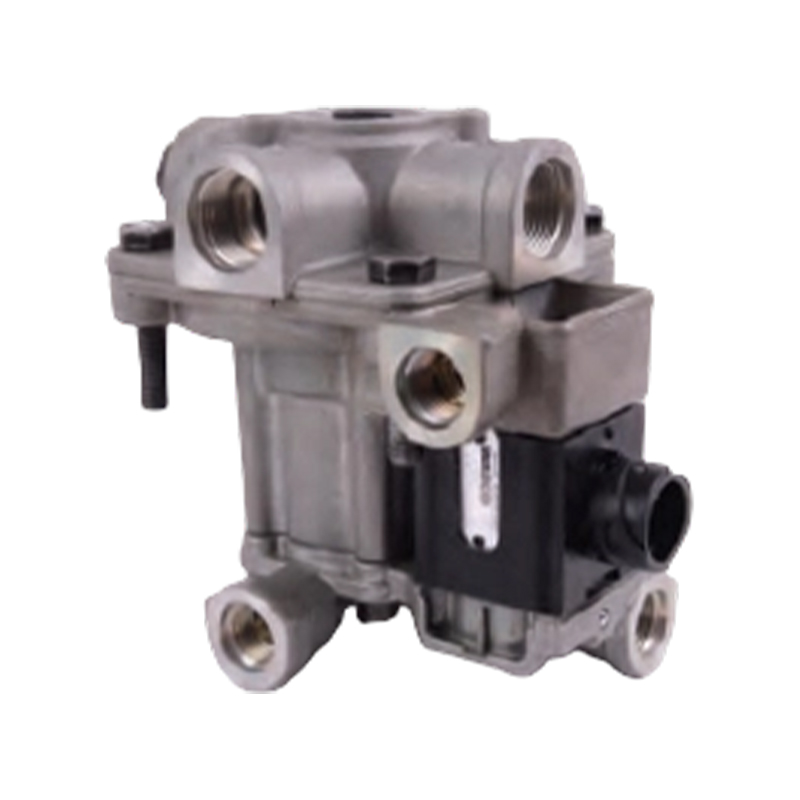
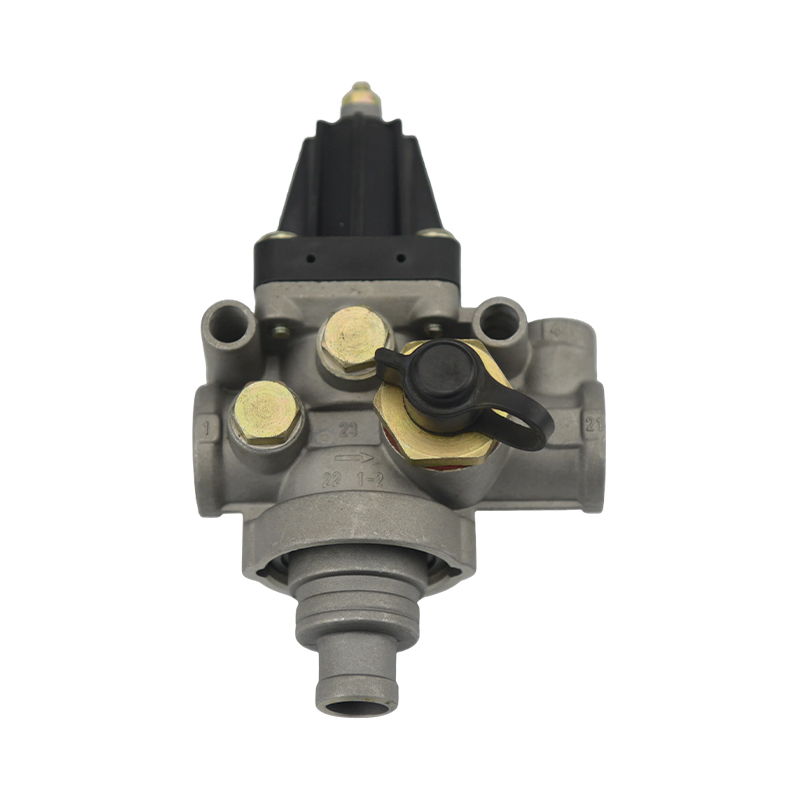
Relay valves and relay emergency valves for European trucks, tractors and semi-trailers. They speed up brake application and release at the axle, and protect spring brake axles from compounding.

  • Truck, trailer and emergency relay versions
  • Residual pressure and overload protection options
  • Piston kits and seal sets supplied separately
4Functional ports on every relay valve
13 barMaximum supply pressure
100%Pressure and leak tested before shipment
48 HRelay valve reply within two working days
Product Overview

What Is a Truck and Trailer Relay Valve System?

Definition

A relay valve is a pneumatic amplifier fitted close to the brake chambers of a truck or trailer axle. A small control signal from the foot brake valve or trailer control line opens a large internal valve that connects a nearby reservoir directly to the brake chambers. Air reaches the brakes quickly through a short, wide path instead of travelling the full length of the vehicle, and on release the same valve exhausts the chambers locally through a large port.

On a long vehicle, the foot brake valve is at the driver's feet, and the brake chambers on the rear axle or on the trailer are many metres away. If all the brake air had to flow from the pedal valve to the far axle through narrow pipe, the brakes would apply late and release slowly, and in a combination vehicle the trailer would lag noticeably behind the tractor. Relay valves solve that problem. The control line only has to carry signal pressure, which needs very little air, while the heavy flow travels a short distance from a local reservoir to the chambers.

Why Long Control Lines Are Too Slow

Air flow through a long pipe is limited by friction and volume. Filling a large brake chamber through several metres of small-bore line takes noticeable time, and emptying it takes the same. A relay valve turns that problem around. The control line carries only a tiny volume, so pressure travels quickly, while the heavy fill and exhaust flows are handled by short, large-bore connections beside the axle. The result is a brake system that responds quickly at all axles, however far they are from the cab.

Ports 1, 2, 3 and 4

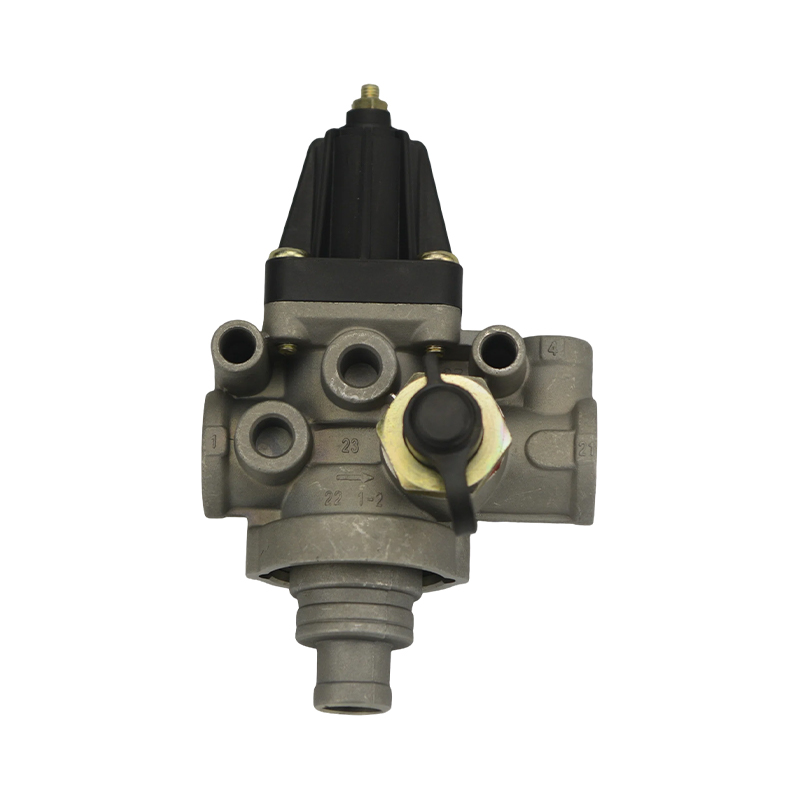
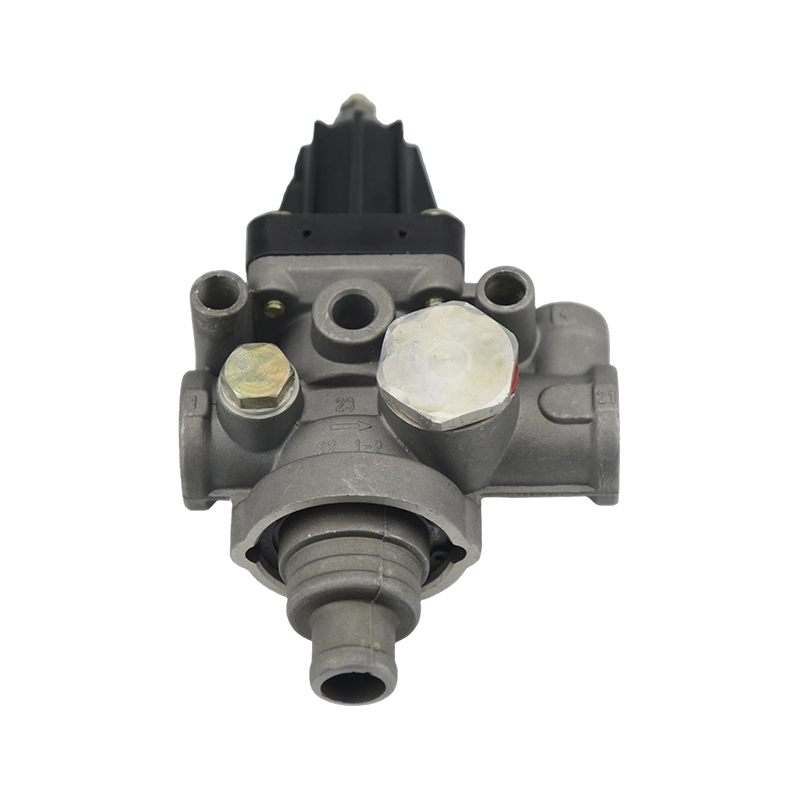
Every relay valve has four functional ports. Port 1 connects to the supply reservoir. Port 2 feeds the brake chambers. Port 3 is the large exhaust, and port 4 is the control port that receives the signal from the brake pedal valve or trailer control valve. A balanced piston moves under control pressure, closing the exhaust seat and opening the supply seat in proportion to the signal. Delivery pressure follows control pressure closely, but at much higher flow.

Truck Rear-Axle Relay Valves

On a rigid truck or tractor unit, the relay valve is normally mounted near the rear axle and fed from the rear service reservoir. The pedal valve signal travels along a light pipe to port 4. Some rear relay valves incorporate a residual pressure function that keeps a small pressure in the drum brake chambers when released, which helps to keep the brake shoes lightly seated and speeds up the next application.

Trailer Relay Valves and Relay Emergency Valves

On a trailer the relay valve receives its control signal from the tractor's brake control line, usually the yellow coupling. The supply comes from the trailer's own reservoir, which is charged from the red supply line. A relay emergency valve combines the relay function with an automatic emergency application. If the supply line loses pressure, for example when the trailer coupling separates, the valve applies the trailer brakes using reservoir air, so the trailer stops itself.

Spring Brake and Overload Protection

On axles with spring brakes, the service brake and the spring brake act on the same mechanical parts. If both are applied together, the forces add up, a condition known as compounding, and it can bend or break brake components. Relay valves with overload protection control the air supply to the spring brake so that the service brake pressure and spring brake pressure cannot compound.

Matching the Valve to the Axle or Trailer

Match the valve type (standard relay, trailer relay, relay emergency or with overload protection), the port thread sizes, the number of delivery ports, any residual pressure or special function and the mounting pattern. Two valves that look similar externally may have different piston ratios, so always start from the OEM number.

  • Fit point: close to the brake chambers on the axle
  • Function: amplifies control signal into high-flow delivery
  • Ports: 1 supply, 2 delivery, 3 exhaust, 4 control
  • Internal element: balanced piston
  • Variants: relay, trailer relay, relay emergency
  • Service parts: piston kit, seals, exhaust diaphragm

Technical Data

Relay Valve Model Range

Standard configurations below. Custom port threads, piston ratios and mounting patterns can be produced to your drawing.

Table 1 — Genuine gzbrake.com Ref NO. and OE cross-reference data for representative European Relay Valve products.

Ref NO.Product NameApplicationTechnical SpecificationOE / Cross-Reference (Sample)Cross-Ref. CountProduct Line
9730110040High-Response Relay ValveMERCEDES, RVI, VOLVO, DAFPort 1 = M22x1.5VOSS,Port 2 = 2xM22x1.5VOSS,Port 3 = Silencer,Port 4 = M16x1.5VOSSMERCEDES:0044296244,A0044296244 / RVI:5010588146 +2 more4European Relay Valve
9730110020Full-Bore Relay Valve for SCANIA Series (M22 Exhaust)SCANIAPort 1 = M22x1.5,Port 2 = 2xM22x1.5,Port 3 = M22x1.5,Port 4 = M16x1.5SCANIA:13138711European Relay Valve
9730110500Heavy-Duty Relay Valve with Non-return InletMAN, SCANIA, DAFPort 1 = M22x1.5 non-return,Port 21,22 = 3xM16x1.5,Port 3 = M22x1.5,Port 4 = M16x1.5MAN:ZG046560002 / SCANIA:1342598,1350118,1425183 +1 more3European Relay Valve
9730112050Universal European VOSS-Interface Relay ValveRVI, DAF, IVECOPort 1 = M22x1.5VOSS,Port 2 = 2xM22x1.5VOSS,Port 3 = Silencer,Port 41,42 = 2xM16x1.5VOSSRVI:5010207451 / DAF:1302103,1506488 +1 more3European Relay Valve
9730112010Differential Relay ValveMAN, DAFPort 1 = M22x1.5 non-return,Port 21,22 = 3xM16x1.5,Port 3 = Snap-on,Port 41,42 = 2xM16x1.5MAN:ZG046570002 / DAF:1519332,ACHA0842European Relay Valve
9730112060Trailer Brake Relay ValveRVI, VOLVO, DAFPort 1 = M22x1.5VOSS non-return,Port 21 = 2xM22x1.5VOSS,Port 22 = M16x1.5VOSS,Port 3 = ...RVI:5010260705 / VOLVO:25328737 +1 more3European Relay Valve
9730112080Specialized Relay Valve for IVECO with Non-return Protection (VOSS Interfaces)IVECOPort 1 = M22x1.5VOSS non-return,Port 21 = 2xM22x1.5VOSS,Port 22 = M16x1.5VOSS,Port 3 = ...IVECO:412110721European Relay Valve
9730113000Load-Sensing Integrated Relay ValveMERCEDES, RVI, SCANIA, VOLVO +1 morePort 1 = M22x1.5VOSS,Port 12 = M22x1.5VOSS,Port 2 = 2xM22x1.5VOSS,Port 3 = M22x1.5VOSS,...MERCEDES:0044299444,A0044299444 / RVI:5010588270 +3 more5European Relay Valve

Ref NO. and cross-reference numbers above are drawn directly from our European Relay Valve product range on gzbrake.com. Cross-reference lists are sampled for space; contact us with your vehicle's OE number or chassis details for the complete, current cross-reference list and stock availability.

Common Vehicle Coverage

Mercedes-Benz ActrosMercedes-Benz AxorMAN TGSMAN TGXScania G-SeriesScania R-SeriesVolvo FMVolvo FHDAF CFDAF XFIveco StralisRenault PremiumSchmitz CargobullKrone TrailerKögel TrailerVan Hool TrailerSetra CoachNeoplan Bus
About Us
Zhejiang Gongzheng Machinery Co., Ltd.
Zhejiang Gongzheng Machinery Co., Ltd. is professional China Truck And Trailer Relay Valve Systems Manufacturers and Wholesale Truck And Trailer Relay Valve Systems Factory. Our core products include ABS (Anti-lock Braking System) and EBS (Electronic Braking System) control units, air dryers, air brake valves, and spring brake chambers, designed to meet the rigorous demands of the global commercial vehicle industry.

With advanced production technology, strict quality control, and a commitment to innovation, we provide reliable and efficient solutions for truck and trailer manufacturers worldwide. Our products comply with international standards, ensuring safety, durability, and superior performance in diverse operating conditions.

Key Products:
ABS & EBS Control Systems – Enhancing vehicle safety and stability.
Air Dryers – Ensuring clean, moisture-free air for braking systems.
Air Brake Valves – Precision-engineered for optimal braking performance.
Spring Brake Chambers – Robust design for heavy-duty applications.
At Zhejiang Gongzheng Machinery, we prioritize customer satisfaction, technological advancement, and sustainable growth. Partner with us for trusted braking solutions that drive excellence.

Safety. Reliability. Innovation.
  • 0m2
    Factory Area
  • 0+
    Founded In
  • 0+
    Number of Employees
  • 0+
    Customer Service
Working Principle

How a Relay Valve Works

A relay valve uses a small control pressure to switch a large flow. Five stages describe a brake application and release.

Control Signal Arrives

The driver applies the brake. A small volume of air from the pedal valve or the trailer control line reaches port 4 and acts on top of the relay piston.

Piston Moves Down

Control pressure pushes the piston down. It first closes the exhaust seat, which stops the brake chambers venting.

Supply Opens

Continued piston movement opens the inlet seat. Air from the nearby reservoir flows through port 1 to port 2 and into the brake chambers at high flow.

Balance

Delivery pressure acts under the piston and balances the control pressure. The inlet seat closes and pressure in the chambers matches the control signal.

Quick Release

When the driver releases the pedal, the control signal falls. The piston lifts, the exhaust seat opens and the chambers vent locally through the large port 3.

What Happens When the Relay Valve Stops Working

  • A stuck piston leaves the brakes applied or slow to release, causing dragging brakes and overheating.
  • A worn inlet seat leaks reservoir air into the chambers and causes brakes to bind at rest.
  • A leaking exhaust diaphragm causes constant air loss and slow application because supply is lost through the exhaust.
  • A blocked exhaust port causes slow release and may hold residual pressure in the chambers.
  • On a relay emergency valve, a failure to apply automatically may leave a disconnected trailer with no brakes.
Product Features

Engineered for Fast, Balanced Brake Response

Relay valves work at high speed and high flow with every brake application. Each unit is designed to stay accurate and to seal reliably.

Balanced Piston Design

The piston is sized so that delivery pressure follows control pressure closely, giving predictable braking on every axle.

Large-Bore Exhaust

A wide exhaust and diaphragm give fast release, reducing brake drag and heat build-up on long downhill runs.

Residual Pressure Option

Selected models hold a small residual pressure in drum brake chambers to speed up the next application.

Overload Protection Versions

Spring brake axles can use overload-protection relay valves that prevent compounding of service and parking forces.

Emergency Relay Function

Trailer relay emergency valves apply the trailer brakes automatically if the supply line loses pressure.

Corrosion-Resistant Housing

Treated aluminium bodies and stainless springs stand up to road salt, moisture and vibration.

Selection Guide

How to Choose the Right Relay Valve

Five points decide whether the valve fits the axle and delivers the correct response and protection.

  • 01

    Identify the valve type

    Decide whether the axle needs a standard relay valve, a trailer relay valve, a relay emergency valve or a valve with overload protection. Each is designed for a different brake circuit.

  • 02

    Match the port layout

    Confirm port 1, 2, 3 and 4 positions and thread sizes. The supply and delivery ports are often M22 × 1.5 while the control port is M16 × 1.5.

  • 03

    Check the delivery port count

    Some valves have two delivery ports while high-flow versions have four. The number of ports depends on the number of brake chambers on the axle.

  • 04

    Confirm special functions

    Check whether the original valve had residual pressure, anti-compounding or emergency relay. Removing a special function changes braking behaviour.

  • 05

    Verify the mounting pattern

    Bolt spacing and orientation vary. A photo of the installed valve and the piping helps us confirm the correct variant.

Table 2 — Axle type and recommended relay valve configuration.

Axle TypeRecommended ValveNote
Truck drive axle with drum brakesStandard relay, residual optionalResidual speeds up next application
Tractor drive axle with spring brakesRelay with overload protectionPrevents compounding forces
Semi-trailer axle without emergencyTrailer relay valveRequires separate emergency valve
Semi-trailer axle with spring brakesRelay emergency valveApplies automatically on supply loss
Bus rear axleBus relay valveLarge exhaust for frequent stops

Recommendations are typical and vary by manufacturer. Always confirm against the vehicle's brake circuit diagram.

Applications

Where These Relay Valves Are Fitted

Any air-braked vehicle with a long wheelbase or a trailer relies on relay valves. The vehicle types below account for most of our shipments.

Tractor Unit Drive Axles

Heavy loads and long pipe runs make fast rear axle response essential. Overload protection is common on spring brake axles.

Rigid Trucks

Rear axle relay valves keep brake application and release fast, whatever the length of the chassis.

Semi-Trailer Axle Groups

Trailer relay valves and relay emergency valves keep braking synchronised with the tractor and stop a separated trailer automatically.

Draw-Bar Trailers

Multiple axles and long lines rely on relay valves to keep braking balanced from front to rear.

City Buses

Frequent braking at stops calls for fast exhaust and repeatable release, which the bus relay valve provides.

Coaches

Long wheelbases and heavy loads mean relay valves are essential for keeping brake response even.

Tippers and Construction Trucks

Dirt and dust wear seats and diaphragms quickly, so service parts are in high demand.

Fleet Overhauls

Repair kits and complete valves restore original brake response on high-mileage vehicles.

Installation

Installation Notes for Workshops

A relay valve is safety-critical. The steps below prevent the fitting errors that most often cause slow brakes and repeat visits.

Drain the Circuit

Release all reservoir pressure and confirm zero on the gauge. Relay valves are supplied by a reservoir, so tanks may stay charged after the pedal valve is released.

Label the Ports

Mark supply, delivery, control and exhaust lines before removal. Crossing the control and delivery lines will make the brakes apply incorrectly.

Check the Exhaust

Inspect the exhaust port and diaphragm for dirt, ice and damage. A blocked exhaust makes the brakes slow to release.

Fit New Seals

Use new sealing washers or O-rings on all ports. Old seals on a four-port valve weep slowly, and the leak is hard to find afterwards.

Mount with the Exhaust Down

Install the valve with the exhaust pointing down as marked. Water collects in the exhaust and must be able to drain.

Test Application and Release

Charge the system and apply and release the brake several times. Check that all chambers apply and release together and that there is no leakage at the exhaust when the brakes are off.

Quality
Components
Service Life
Professionalism
Delivery
Customization
Inventory
Why Gongzheng Only

By cooperating with us, you can obtain

Your Single Source for Braking Performance and Safety.

The ISO quality management system covers every process. We have obtained certifications such as Germany's TUA, ensuring that both original equipment and after-sales products meet the strict quality standards of commercial vehicle manufacturers.

Quality

Over 70% of the components for our products are manufactured in-house, which guarantees product quality.

Components

High-quality raw materials, precise calculation, professional design, and strict production testing ensure that all products manufactured by Gongzheng Jinggong are durable.

Service Life

We have long provided direct supporting services for large enterprises. Our long-term close cooperation with commercial vehicle brands and manufacturers in R&D and testing has made us more professional and experienced.

Professionalism

Automated production and accurate, fast logistics services are sufficient to meet customer requirements.

Delivery

We have an independent R&D team. In addition to standard parts, we also offer customization services to meet customers' special needs.

Customization

We maintain a standing inventory of over 200,000 units, enabling us to handle large-volume orders and urgent orders.

Inventory
Maintenance

Relay Valve Service Intervals and Repair Kits

Relay valves work hard on every stop. A simple schedule prevents most brake response faults.

Table 3 — Recommended inspection and replacement schedule for truck and trailer relay valves.

ItemIntervalWhat to Check
Exhaust port and diaphragmEvery serviceCheck for continuous air leakage, ice, dirt and damage to the exhaust diaphragm.
Brake application timeEvery 12 monthsCompare the time to fill the chambers at front and rear axles, and look for lagging axles.
Release timeEvery 12 monthsCheck that all chambers release together and completely when the pedal is lifted.
Control lineEvery 12 monthsInspect for kinks, chafing and leaks between the pedal valve and port 4.
Piston and sealsEvery 3 years or 350,000 kmReplace with a repair kit before the valve begins to leak or stick.
Emergency function (trailers)Every 12 monthsUncouple the supply line and confirm that the trailer brakes apply automatically.
Mounting and linesAnnual inspectionCheck bolts, brackets and fittings for looseness and corrosion.

We supply repair kits, exhaust diaphragms, seal sets and complete replacement valves for every model listed on this page.

Diagnostics

Relay Valve Troubleshooting Guide

Read the symptom against the likely cause before replacing the valve. Many brake response complaints trace back to a leaking chamber or a blocked line rather than the valve.

Table 4 — Common relay valve symptoms, causes and corrective actions.

SymptomLikely CauseRecommended Action
Brakes apply slowly at one axleRestricted supply line, slow-moving piston or blocked control line.Check the lines, clean or replace the valve.
Brakes release slowlyBlocked exhaust, sticking piston or contaminated exhaust seat.Clear the exhaust, replace the seals and piston.
Continuous air leakage from the exhaustWorn inlet seat or torn diaphragm.Renew the inlet seat and diaphragm set, or replace the whole relay valve.
Brakes drag when not appliedInlet seat leaking or piston stuck partly open.Replace the valve and check for air dryer failure.
Trailer brakes do not apply when disconnectedRelay emergency function failed or trailer reservoir empty.Test the emergency function and replace the valve.
Uneven braking between axlesOne relay valve slower than the others or unequal control line lengths.Compare response times and check the line lengths.
Water comes out of the exhaustMoisture in the air system or an exhaust that cannot drain.Service the air dryer and check the valve orientation.
Spring brakes and service brakes seem to fight each otherOverload protection valve missing or failed.Fit the correct overload-protection relay valve.

If the symptom continues after valve replacement, the fault is usually in the brake chambers, the supply line or the air dryer upstream. Send us the fill and release times for each axle, and our technicians will help you identify which valve is responsible.

Terminology

Relay Valve Glossary

Plain-language definitions of the terms you will see on brake diagrams, workshop manuals and part listings.

Relay Valve
A valve that uses a small control pressure to switch a large flow of air from a reservoir to the brake chambers.
Control Port (Port 4)
The port that receives the low-volume signal from the pedal valve or trailer control line.
Supply Port (Port 1)
The port connected to the nearby reservoir.
Delivery Port (Port 2)
The port that feeds the brake chambers.
Exhaust Port (Port 3)
The large port through which the chambers vent on release.
Balanced Piston
The piston on which control pressure and delivery pressure act, so that delivery follows control.
Residual Pressure
A small pressure held in the brake chambers after release, used to speed up the next application.
Relay Emergency Valve
A trailer valve that also applies the brakes automatically when the supply line loses pressure.
Compounding
The combined force of the service brake and spring brake acting together on the same brake parts.
Overload Protection
A function that prevents compounding by controlling air to the spring brake.
Trailer Control Line
The yellow coupling line that carries the brake signal from tractor to trailer.
Supply Line
The red coupling line that carries air to charge the trailer reservoirs.
Questions

Frequently Asked Questions

Twelve questions our distributors, workshops and fleet buyers ask most often about truck and trailer relay valve systems.

It amplifies a small control signal into a large flow of air to the brake chambers. The valve sits close to the axle so the brakes apply and release quickly, even on a long vehicle.

Because long pipe runs are slow. A relay valve sends only a signal along the long pipe, and the heavy air flow travels a short distance from a nearby reservoir to the chambers.

A relay emergency valve does everything a relay valve does, and also applies the trailer brakes automatically if the supply line loses pressure, for instance when the trailer becomes uncoupled.

It stops the service brake and the spring brake from acting together and overstressing the brake parts. The valve controls the spring brake air so the two forces do not add up.

It is a small pressure kept in drum brake chambers after release to speed up the next application. Choose a valve with residual pressure only if the original valve had it, since it can cause brakes to drag on some axles.

Common signs include slow brake application or release at one axle, continuous air leakage from the exhaust, brakes that drag, and a trailer that does not apply its brakes when disconnected.

Yes. Tell us which of ports 1, 2, 3 and 4 are used and their thread sizes, and add the vehicle or trailer model. We will confirm the valve type and any residual pressure or overload function and reply within two working days.

No, unless the trailer has a separate emergency valve elsewhere in the system. Replacing a relay emergency valve with a plain relay valve removes the automatic emergency application.

Yes. Piston kits, exhaust diaphragms and seal sets are available for the models listed on this page. Name the valve model when you enquire, and the matching kit numbers will be included in our reply.

Yes. The exhaust should face downward so moisture can drain. Mounting the valve upside down traps water in the exhaust and may cause slow release or freezing in winter.

Yes. Standard relay, trailer relay and relay emergency valves can be combined in one shipment to reach a practical quantity. Stock items ship within 3 to 7 working days after payment, and made-to-order variants carry a confirmed date on the proforma invoice.

Yes. We can produce valves with alternative port threads and mounting patterns to your drawing, and supply them in neutral cartons or under your own brand.

Need the right relay valve for your axle or trailer?

Send us the OEM part number, the vehicle or trailer model or a photo of the valve. We will confirm the correct model, port layout and function within 48 hours.