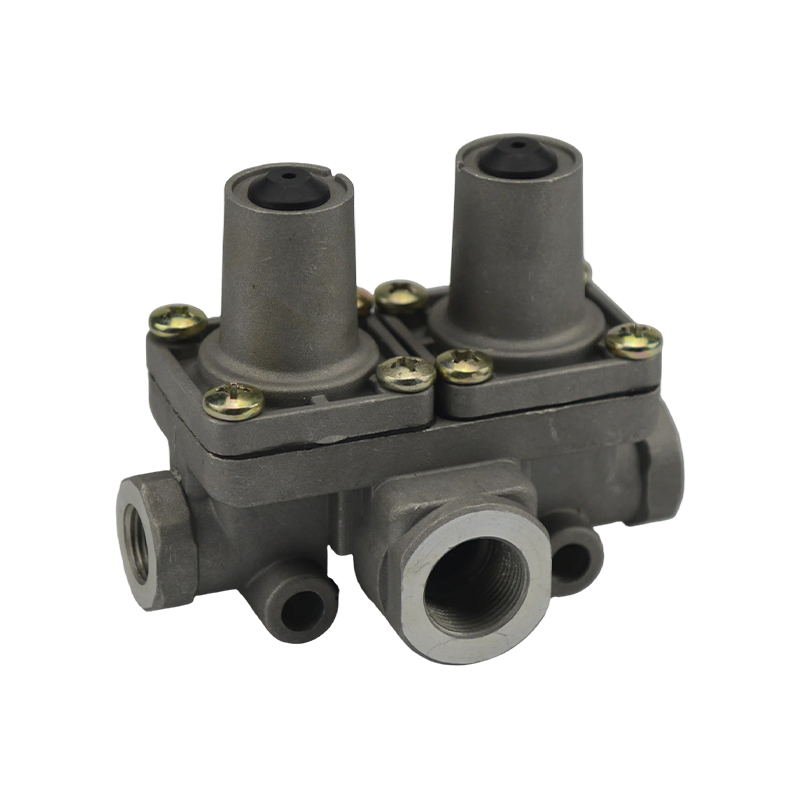
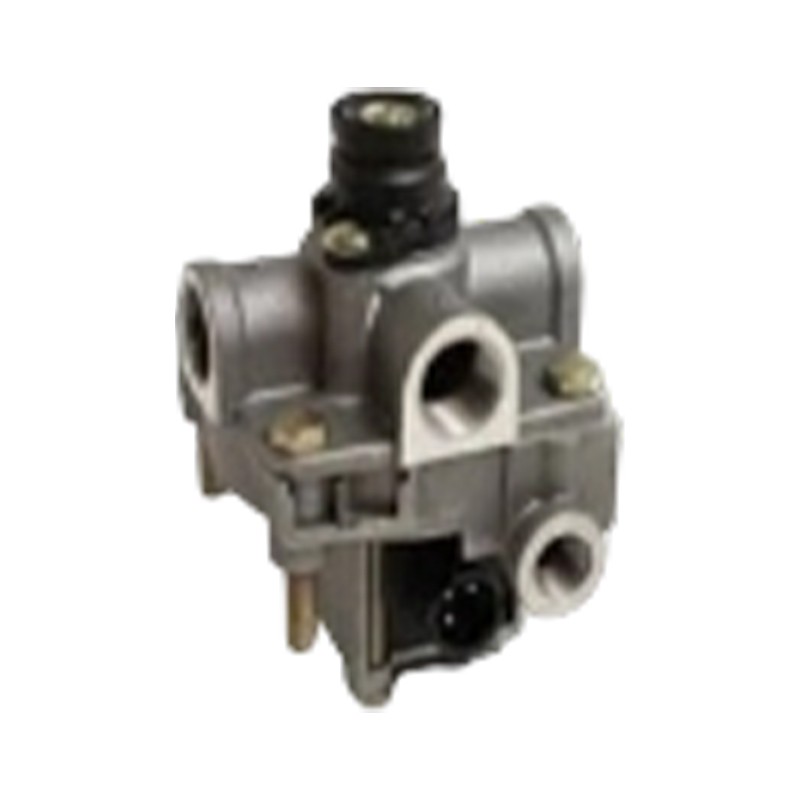
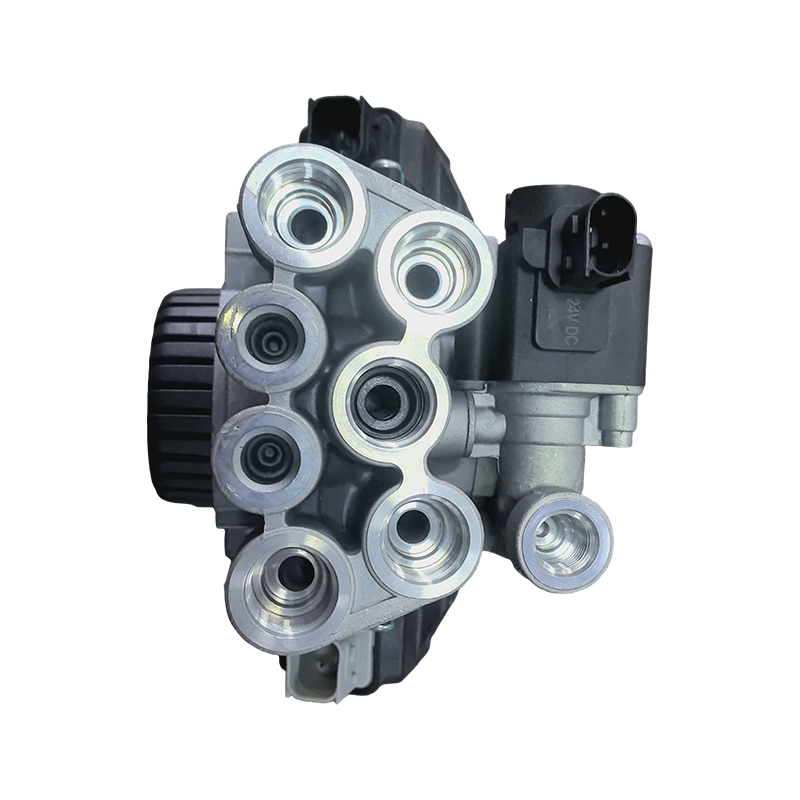
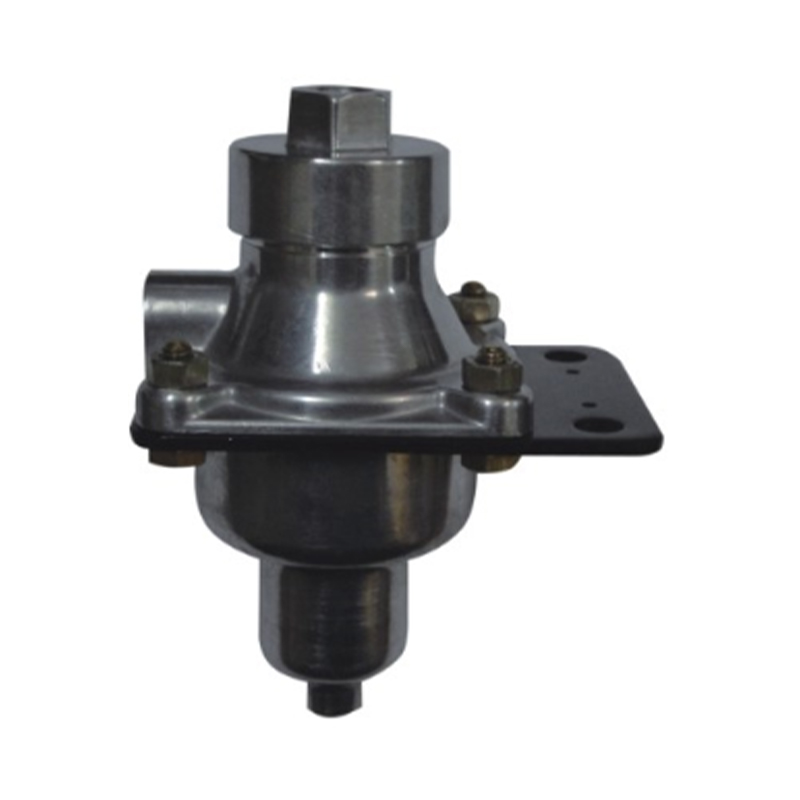
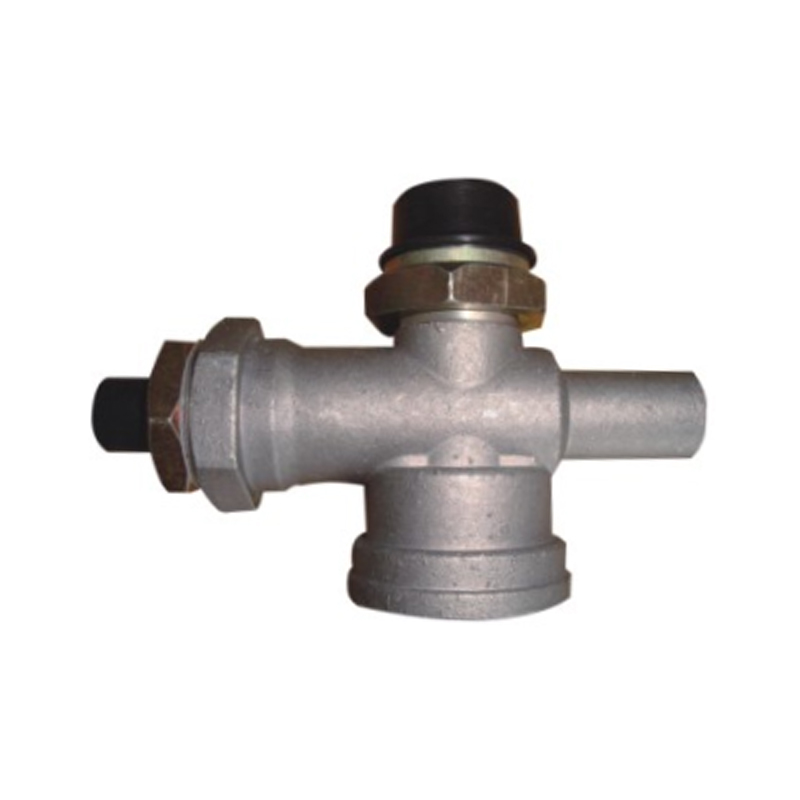
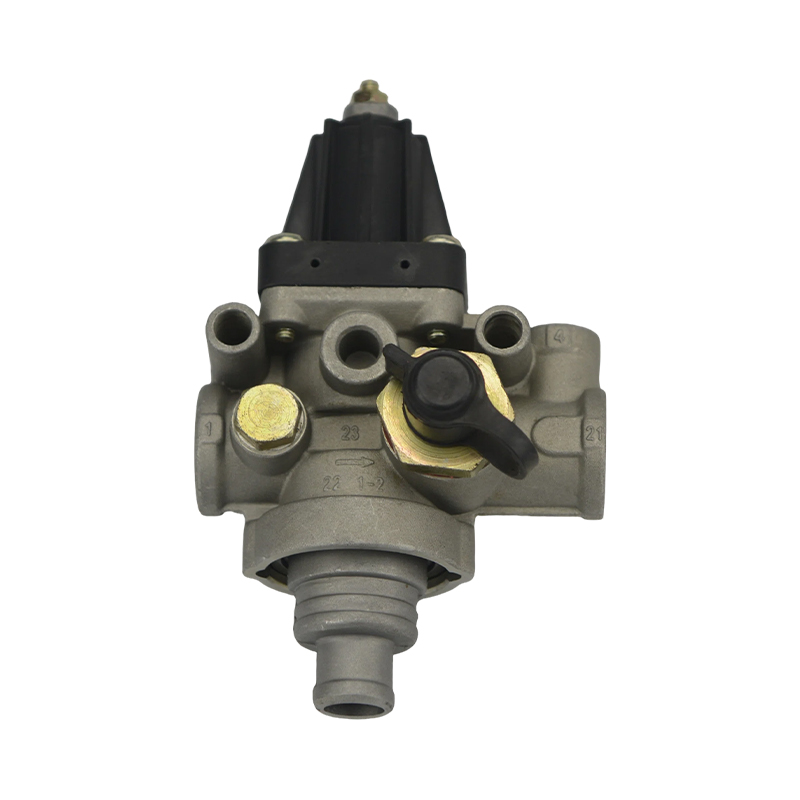
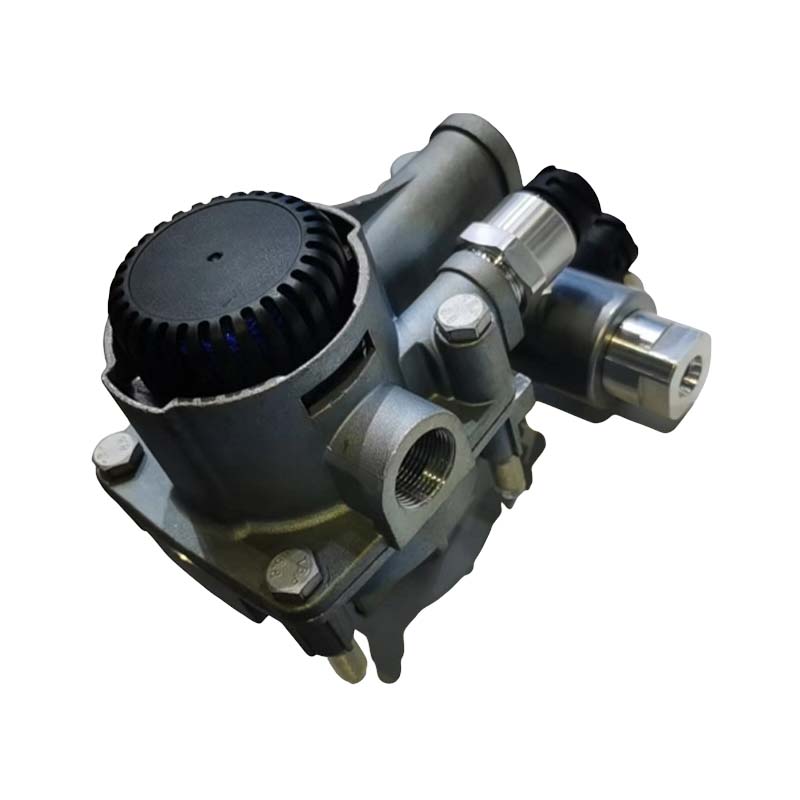
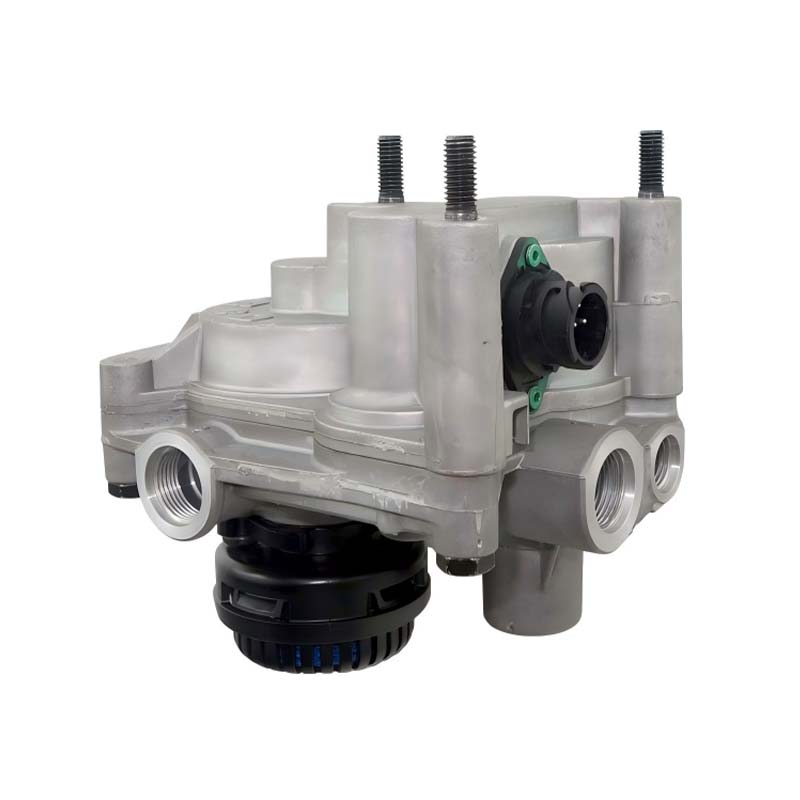
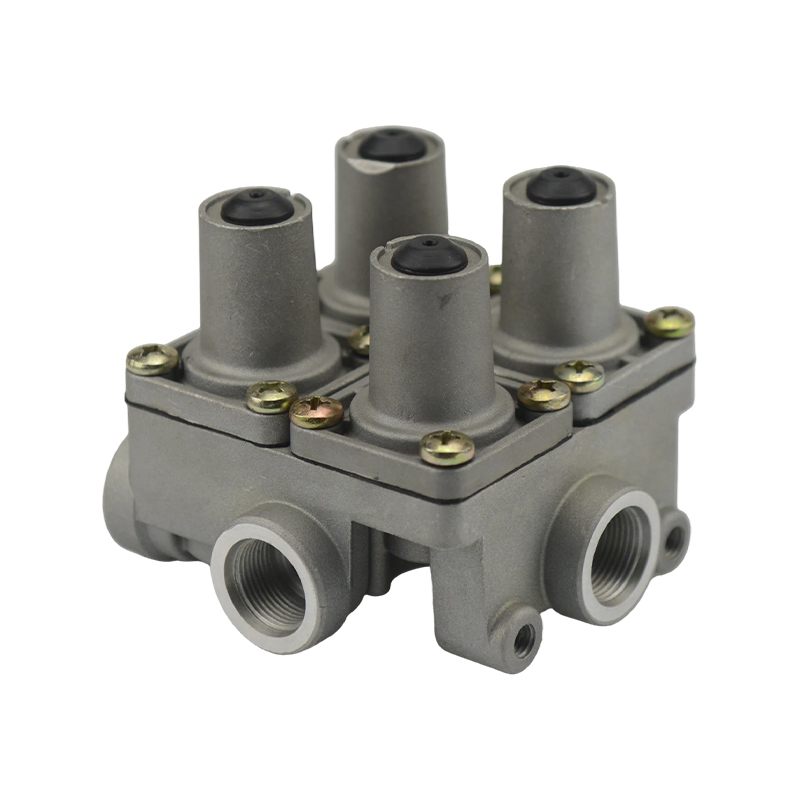
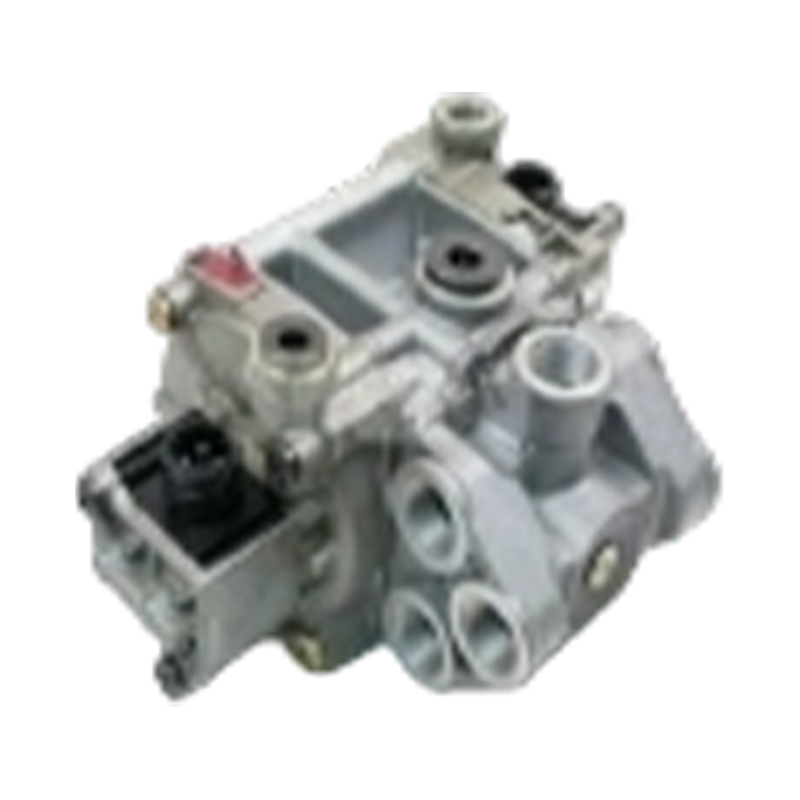
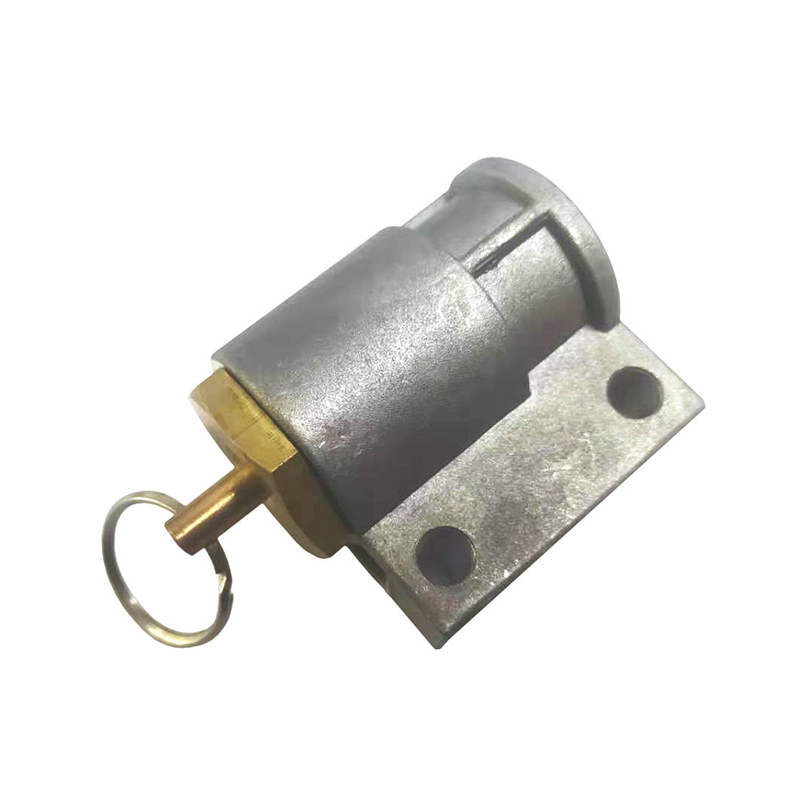
A pneumatic solenoid valve and sensor unit is an electro-pneumatic module that combines a solenoid-operated air valve with one or more sensors in a single housing or a matched pair. The solenoid turns an electrical signal from a switch or control unit into an air action, such as engaging a differential lock or raising a lift axle, and the sensor reports back the resulting pressure or position so the driver and the vehicle electronics know that the action has taken place.
Most air-operated functions on a modern commercial vehicle are not controlled by air lines running to the driver. They are controlled by a wire. A switch on the dashboard or a message from a control unit energises a solenoid valve near the component, and that valve directs compressed air where it is needed. The same function needs to report back, because a driver who selects differential lock or a lift axle expects to see confirmation that the lock has engaged or the axle has lifted. The solenoid valve does the work, the sensor gives the confirmation, and in this product family both are designed to work as a pair.
From Electrical Signal to Air Action
A solenoid valve contains a coil around a movable steel core, called the armature. When current flows, the coil generates a magnetic field that pulls the armature against a spring and opens or closes an air passage. In a direct-acting valve, the armature moves the seat itself, which suits small flows. In a pilot-operated valve, the armature opens a small pilot passage, and air pressure moves a larger piston or diaphragm that controls the main flow. Pilot operation allows a small coil to switch a large flow with low power.
Valve Functions: 2/2, 3/2 and 5/2
The two numbers describe how many ports and positions the valve has. A 2/2 valve has two ports and two positions and simply opens or shuts one line. A 3/2 valve has supply, working and exhaust ports and either feeds an actuator or vents it, which suits single-acting cylinders such as differential lock or PTO engagement. A 5/2 valve feeds a double-acting cylinder in either direction, and is used for gearbox range and splitter shifting. Each type can be normally closed or normally open, which decides the behaviour when power is lost.
Sensor Functions: Switches, Transducers and Position Sensors
The sensor half of the unit can take several forms. A pressure switch closes or opens a contact at a set pressure, for example to show that a low-pressure warning threshold has been crossed. A pressure transducer gives a continuous electrical output, typically a voltage or current proportional to pressure, and feeds it to a control unit or gauge. A position sensor detects whether a cylinder piston or shift fork has reached the engaged or released end position. The output type must match the input of the vehicle electronics.
Coils, Connectors and Supply Voltage
Trucks and buses commonly run 24V systems, while some vehicles use 12V, and coils are wound for one or the other. A 24V coil on a 12V circuit will not switch reliably, and a 12V coil on 24V will overheat. Connectors vary from industrial rectangular plugs to sealed automotive types, and a good unit is only useful if its connector matches the vehicle harness. Coil power draw is normally a few watts, low enough for direct switching from a control unit output.
Electrical Protection and Environmental Sealing
A solenoid coil generates a voltage spike when it is switched off, and this can damage control units unless the circuit includes a suppression diode or the vehicle electronics are designed to tolerate it. Solenoid valves and sensors are also installed in wheel arches, on chassis rails and near axles, where water, dirt and salt are constant. Seals and housings with a high ingress protection rating are therefore essential to long life.
Matching the Unit to the Wiring and Air Function
Match the valve function and normal position, the supply voltage, the port thread, the sensor type and output, the connector type and the mounting arrangement. A unit with the right air function but the wrong connector or sensor output is a common source of returns, so always check the electrical side as carefully as the pneumatic side.
- Fit point: near the air-operated component
- Function: converts electrical signals to air actions
- Valve types: 2/2, 3/2 and 5/2, NC or NO
- Sensor types: pressure switch, transducer, position sensor
- Supply voltage: 12V or 24V DC
- Service parts: coil, connector, seal kit, sensor