GongzhengGongzhengGongzhengGongzheng GongzhengGongzhengGongzhengGongzheng GongzhengGongzhengGongzhengGongzheng GongzhengGongzhengGongzhengGongzheng

European Trailer Emergency Release Valves Wholesale

Trailer Safety and Yard Handling Components

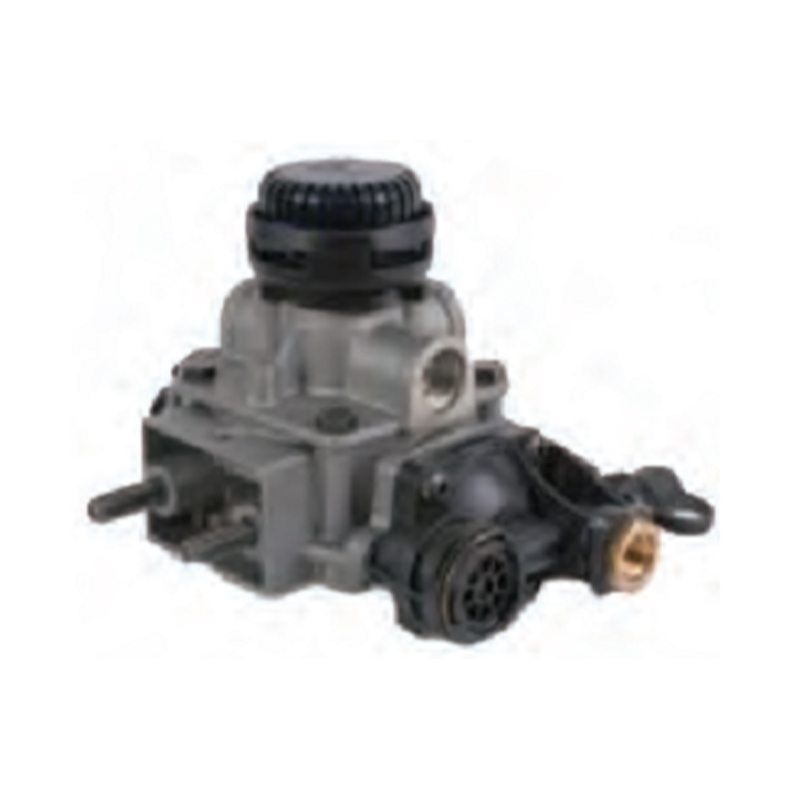
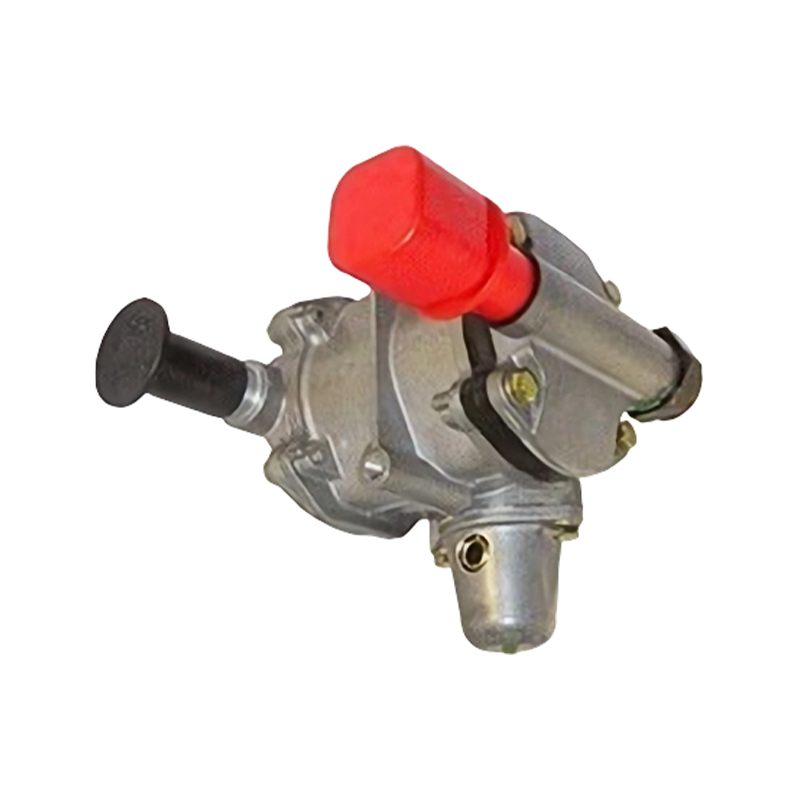
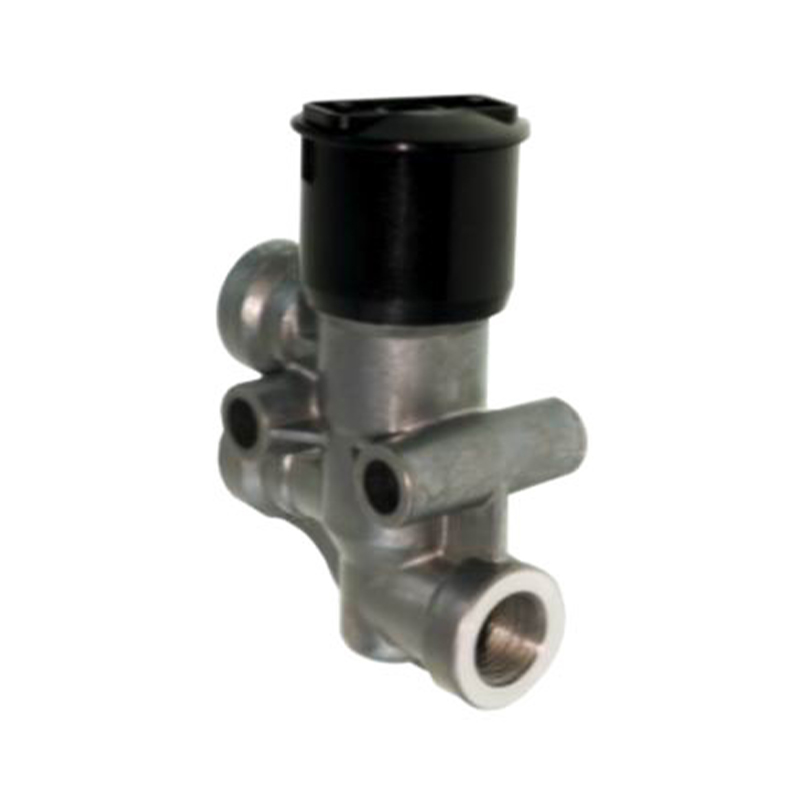
European Trailer Emergency Release Valves

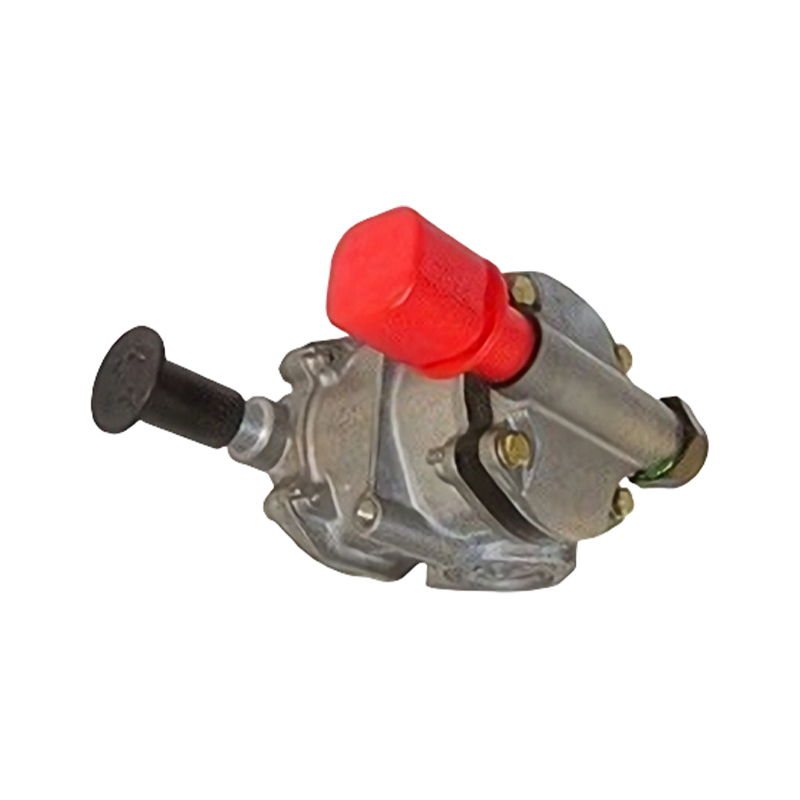
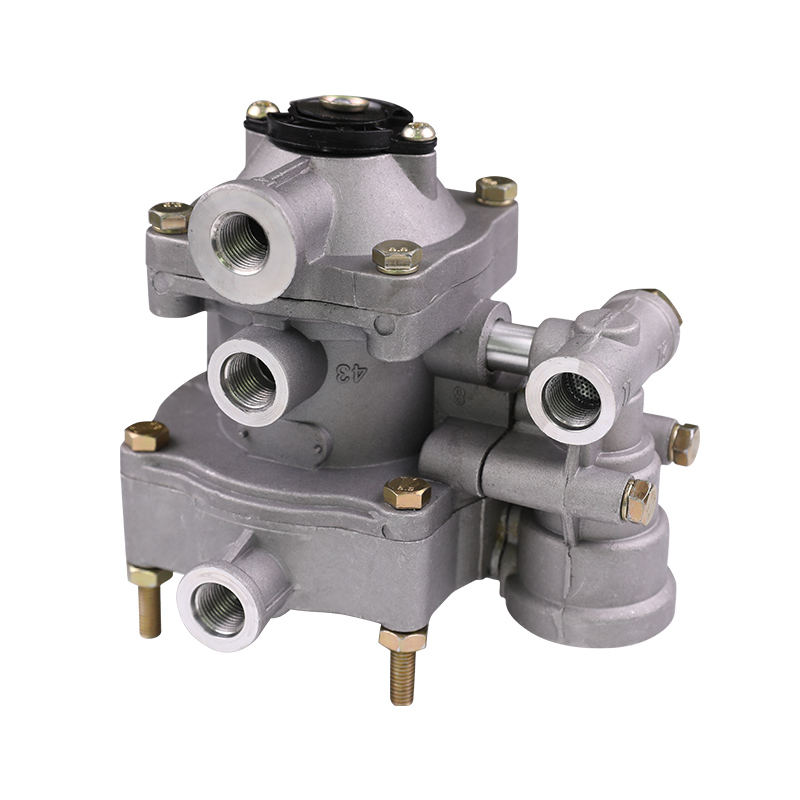
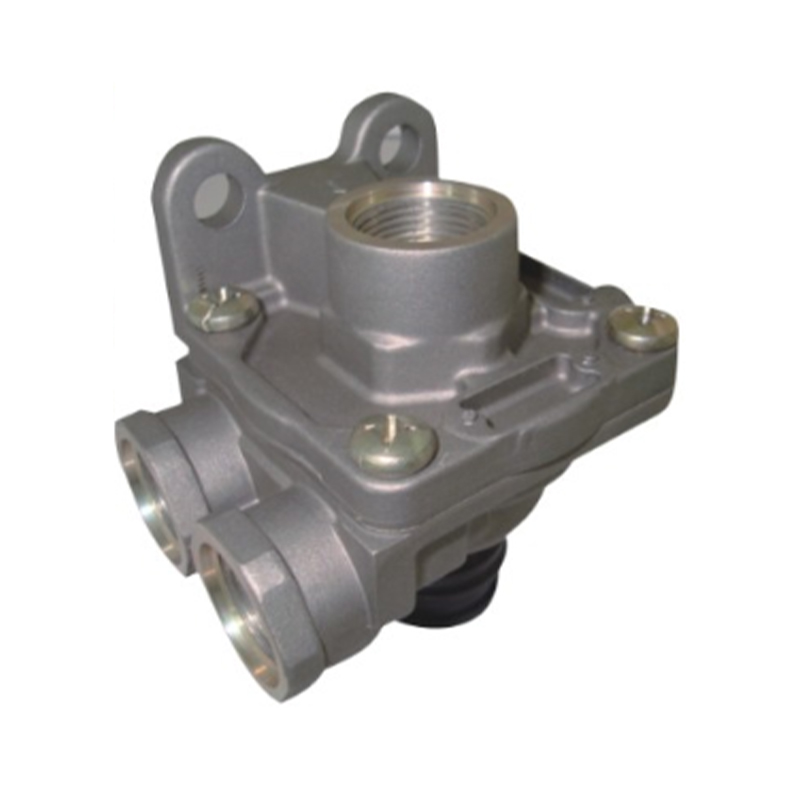
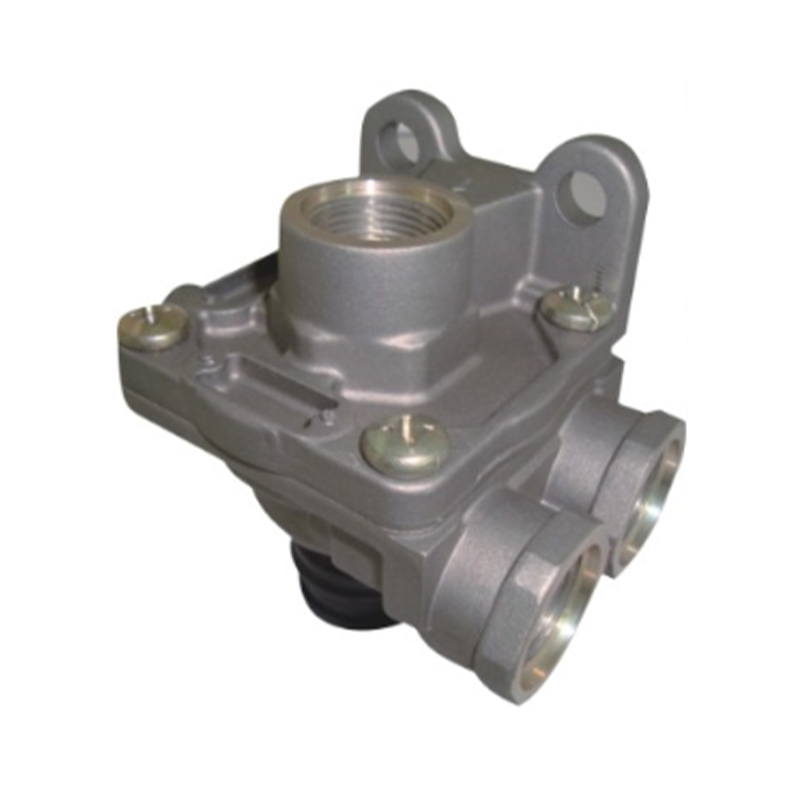
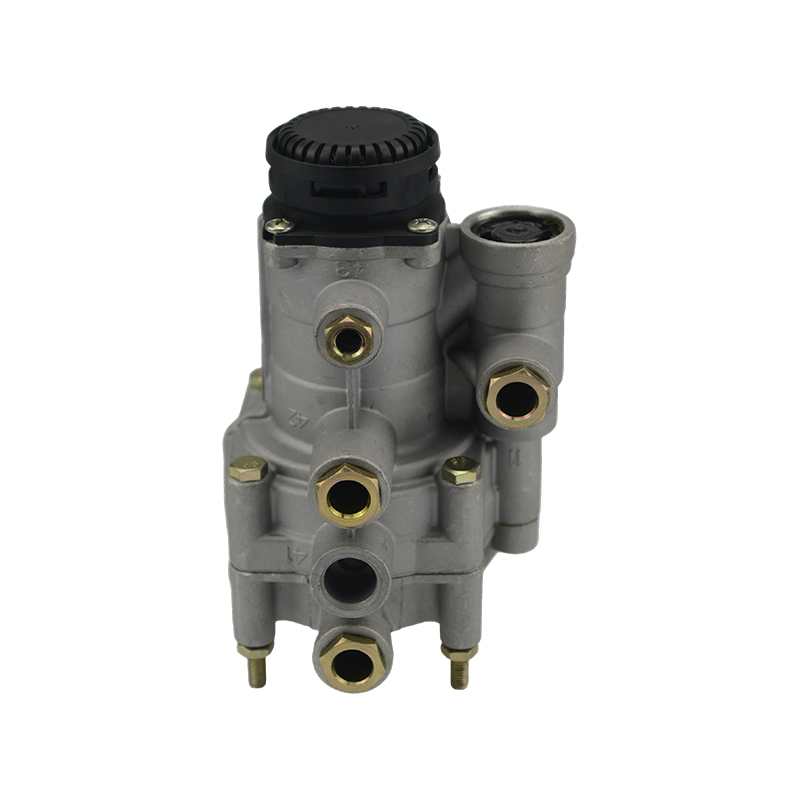
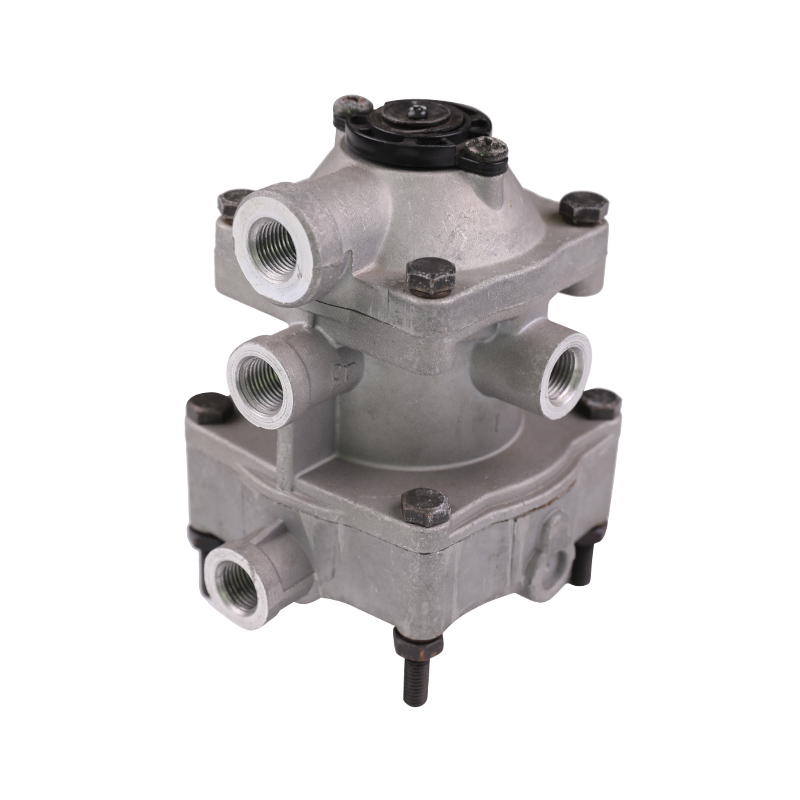
Trailer emergency valves with manual release for European two-line air brake systems. They stop a disconnected trailer automatically and free the brakes for safe shunting when the trailer is parked.

  • Push-button, pull-button and lever release versions
  • Combined and separate emergency and release valve options
  • Piston kits, filters and release buttons supplied separately
2Functions in one valve: emergency and release
10 barMaximum supply pressure
100%Emergency and release function tested before shipment
48 HEmergency valve reply within two working days
Product Overview

What Is a European Trailer Emergency Release Valve?

Definition

A European trailer emergency release valve is the trailer-mounted valve that applies the trailer brakes automatically from its own reservoir whenever the supply line loses pressure, and that also gives the operator a manual means of releasing those brakes when the trailer is parked and disconnected from a tractor. It combines an emergency function and a release function, and it is the key safety valve on any European trailer with a two-line air brake system.

A trailer that breaks away from its tractor must stop itself. There is no driver aboard, no engine and no compressor, so the only energy available is the compressed air already stored in the trailer's own reservoir. The emergency release valve holds that air in reserve while the supply line is charged, and the moment the line is cut, torn or uncoupled, the valve uses the stored air to apply the trailer brakes at once. When the trailer is later parked in a yard or depot and must be moved without a tractor, the release function lets an operator free the brakes temporarily.

Automatic Application When the Supply Line Fails

The trailer is connected to the tractor through two main air lines. The red supply line keeps the trailer reservoir charged. The yellow control line carries the brake signal during normal braking. While the supply line is at working pressure, the emergency valve holds an internal piston in the released position and does not apply the brakes. If supply pressure falls to a low level, typically in the region of two bar, the piston moves, the reservoir is connected to the trailer brake chambers, and the brakes are applied. This is the behaviour that vehicle regulations require for trailers with air brakes.

The Release Function for Shunting and Recovery

A parked trailer that has been uncoupled will have its brakes applied because its supply line is empty. To move it by hand, by a yard tractor with no air connection or onto a transporter, the operator operates a release button or lever on the valve. This connects reservoir air to the brakes, or reverses the piston position, and frees them. The release is temporary. It is designed so that the brakes re-apply when the button returns, when the reservoir bleeds down, or when the supply is reconnected and released properly.

Why Release Is Not a Parking Function

Release is a convenience, not a substitute for the parking brake. The trailer's own air reservoir will slowly leak, and when it does the brakes re-apply, sometimes without warning. The trailer must never be left released on a slope, and wheels must be chocked whenever a trailer is moved with its brakes released. Good workshops and yards train their staff on this point as much as on the valve itself.

Combined Valves and Separate Release Valves

Some designs integrate the emergency function and the release function into a single body, often described as a trailer brake valve with release. Others use a separate relay emergency valve plus a manually operated release valve fitted elsewhere in the system. The two arrangements deliver the same result but have different port layouts and different fitting requirements.

Signs of Failure

A failing valve may apply the trailer brakes when they should be released, fail to apply them when the supply line is cut, or leak air continuously from the exhaust. Because the valve is exposed to road spray and the supply line often carries oil and moisture from the tractor, contamination and freezing are common causes. A release button that sticks, or that applies no effect, is also a frequent complaint in depots and yards.

Matching the Valve to the Trailer Air System

Match the valve type, the supply and control port threads, the delivery ports, the release button or lever design, the reservoir port and the mounting pattern. A valve with the correct emergency function but a different release arrangement will not fit the yard procedures or the trailer layout.

  • Fit point: trailer chassis near the reservoir
  • Emergency function: automatic brake application on supply loss
  • Release function: manual button or lever
  • Line connections: supply, control, reservoir, delivery
  • Trailer types: semi-trailers, draw-bar and rigid trailers
  • Service parts: piston kit, release button, filter, seals

Technical Data

Emergency Release Valve Model Range

Standard configurations below. Custom port threads, release button styles and mounting patterns can be produced to your drawing.

Table 1 — Genuine gzbrake.com Ref NO. and OE cross-reference data for representative European Release Valve products.

Ref NO.Product NameApplicationTechnical SpecificationOE / Cross-Reference (Sample)Cross-Ref. CountProduct Line
9630010010Precision Release Valve for DAF SeriesDAFPort 1-1 = M22x1.5,Port 1-2 = DIA 7,Port 2 = DIA 21.5DAF:0736144,719991,736144,1European Release Valve
9630060010Universal Release Valve with Black Knob for European SeriesRVI, DAF, IVECO, MANPort 1-1 = M16x1.5,Port 1-2 = M16x1.5,Port 2 = M16x1.5,Knob: BlackRVI:5021170428 / DAF:1325331 +2 more4European Release Valve
9630060030High-Efficiency Pneumatic Quick-Release ValveDAFPort 1-2 = M16x1.5,Port 2 = M16x1.5,Knob: RedDAF:8678821European Release Valve
9630060050Precision Release Valve with Green Knob for KRONE SeriesKRONEPort 1-2 = M16x1.5,Port 2 = M16x1.5,Knob: GreenKRONE:58113291European Release Valve
9630060060Precision Release Valve with Yellow KnobPort 1-2 = M16x1.5,Port 2 = M16x1.5,Knob: YellowEuropean Release Valve
9710029000All-Weather Pneumatically Controlled Release ValveMAN, SCANIA, DAFPort 1-1 = M16x1.5,Port 1-2 = M16x1.5,Port 21,22 = 2xM16x1.5,Port 4 = M16x1.5,Dataplate...MAN:ZG046540002 / SCANIA:1738468 +1 more3European Release Valve
K015849Emergency Release Valve for SCANIA/SCHMITZ SeriesSCHMITZPort 1,1-2 = 2x M16x1.5,Port 2 = M22x1.5,Charging Valve: without,Emergency pressure: 2....SCHMITZ:0550161European Release Valve
K015380Enhanced Emergency Release Valve for SCANIA Series (with Charging Valve)SCANIAPort 1,1-2 = 2x M16x1.5,Port 21,22 = 2x M16x1.5,Port 2 = M22x1.5,Charging Valve Opening...SCANIA:21216031European Release Valve

Ref NO. and cross-reference numbers above are drawn directly from our European Release Valve product range on gzbrake.com. Cross-reference lists are sampled for space; contact us with your vehicle's OE number or chassis details for the complete, current cross-reference list and stock availability.

Trailer Manufacturer Reference List

Schmitz CargobullKrone TrailerKögel TrailerKässbohrerFlieglWieltonFaymonvilleMeillerLangendorfBenaluLamberetFruehaufKaiserFeldbinderMagyarSpitzerVan HoolLawrence David
About Us
Zhejiang Gongzheng Machinery Co., Ltd.
Zhejiang Gongzheng Machinery Co., Ltd. is professional China European Trailer Emergency Release Valves Manufacturers and Wholesale European Trailer Emergency Release Valves Factory. Our core products include ABS (Anti-lock Braking System) and EBS (Electronic Braking System) control units, air dryers, air brake valves, and spring brake chambers, designed to meet the rigorous demands of the global commercial vehicle industry.

With advanced production technology, strict quality control, and a commitment to innovation, we provide reliable and efficient solutions for truck and trailer manufacturers worldwide. Our products comply with international standards, ensuring safety, durability, and superior performance in diverse operating conditions.

Key Products:
ABS & EBS Control Systems – Enhancing vehicle safety and stability.
Air Dryers – Ensuring clean, moisture-free air for braking systems.
Air Brake Valves – Precision-engineered for optimal braking performance.
Spring Brake Chambers – Robust design for heavy-duty applications.
At Zhejiang Gongzheng Machinery, we prioritize customer satisfaction, technological advancement, and sustainable growth. Partner with us for trusted braking solutions that drive excellence.

Safety. Reliability. Innovation.
  • 0m2
    Factory Area
  • 0+
    Founded In
  • 0+
    Number of Employees
  • 0+
    Customer Service
Working Principle

How an Emergency Release Valve Works

The valve responds to supply line pressure. Five stages describe how it behaves in normal use, in an emergency and during release.

Coupled and Charged

When the tractor is coupled, the red supply line delivers air to the trailer reservoir and the valve inlet. Supply pressure holds the internal piston in the released position.

Normal Braking

The yellow control line carries the brake signal. The valve acts as a relay and sends reservoir air to the brake chambers in proportion to the signal.

Supply Line Fails

If the line is cut or uncoupled, supply pressure falls. When it reaches the threshold, the piston moves and connects the reservoir directly to the brake chambers.

Automatic Application

The trailer brakes apply with reservoir air and hold the trailer stationary or bring it to a stop. No driver action is needed.

Manual Release

With the trailer parked, the operator operates the release button or lever. Air is directed to free the brakes for a short period, and the brakes re-apply when the release is cancelled.

What Happens When the Emergency Release Valve Stops Working

  • A valve that does not apply on supply loss leaves a disconnected trailer with no brakes, which is a serious safety hazard.
  • A valve that applies when it should not causes trailer brakes to drag and overheat in service.
  • A leaking exhaust drains the trailer reservoir, so the trailer cannot be released or braked reliably.
  • A release button that fails to operate makes shunting and recovery difficult and can lead to unsafe workarounds.
  • Freezing or contamination at the piston can hold the valve in the wrong position in winter.
Product Features

Built to Stop a Trailer Without a Driver

The valve may sit idle for months and then be needed instantly. Each unit is designed for dependable, repeatable operation.

Automatic Emergency Application

A calibrated piston moves as soon as supply pressure falls, applying the brakes without driver action.

Integrated Release Function

A button, lever or knob allows brakes to be freed safely for yard shunting and recovery.

Reservoir Protection

A non-return valve protects the reservoir air so that stored energy is not lost during a supply failure.

Inlet Filter Options

Fine filters at the supply and control inlets keep oil, water and particles away from the piston seals.

Wide Port Options

Combined and separate valve designs with M16 × 1.5 and M22 × 1.5 ports suit most European trailer layouts.

Winter-Ready Materials

Seals and springs are selected to stay flexible in cold weather and to resist sticking.

Selection Guide

How to Choose the Right Emergency Release Valve

Five checks decide whether the valve fits the trailer's air system and works correctly with yard procedures.

  • 01

    Identify the valve concept

    Determine whether the trailer uses a combined trailer brake valve with release, or a relay emergency valve with a separate release valve. The port layouts and fittings are different.

  • 02

    Match the ports

    Supply and control ports are commonly M16 × 1.5, while delivery ports are often M22 × 1.5. Confirm which port carries the reservoir connection as well.

  • 03

    Check the release design

    Push button, pull knob and lever versions operate differently. Staff in yards and depots are trained on the design they know, so use the same type.

  • 04

    Consider the parking function

    Some trailers use a parking valve that works together with the emergency valve. Confirm that the replacement has the correct parking function.

  • 05

    Verify the mounting

    Bolt pattern, orientation and port position vary between trailer builders. A photo of the valve in place, with its lines attached, helps us confirm the correct variant.

Table 2 — Trailer type and typical emergency release valve setup.

Trailer TypeTypical SetupNote
Semi-trailer, standardRelay emergency valve with releaseMost common European layout
Semi-trailer with spring brakesTrailer brake valve with parking controlCheck spring brake circuit
Draw-bar trailerRelay emergency valve, dual releaseTwo circuits, separate release
Yard-use trailerPush button releaseSimple operation for shunt drivers
Special transport trailerLever release, lockablePrevents accidental release

These setups are indicative. Always check them against the trailer's air brake diagram.

Applications

Where These Emergency Release Valves Are Fitted

Every European trailer with air brakes needs an emergency function, and most also have a release function. The trailer types below account for most of our orders.

Curtainsider and Box Semi-Trailers

Standard two-line trailers use a relay emergency valve with a release button so drivers can move trailers in the yard.

Tanker and Silo Trailers

Heavy loads and hazardous cargo make automatic emergency braking on separation particularly important.

Tipper Trailers

Dirty, wet working conditions call for filters, robust seals and a sealed release button.

Container Chassis

Frequent uncoupling in ports and terminals make the release function a daily requirement.

Refrigerated Trailers

Long-distance transport and depot handling require reliable emergency and release operation.

Car Transporters

Long combinations use multiple axles and two circuits, and need a valve that works with both.

Draw-Bar Trailers

Full trailers coupled behind rigid trucks need emergency braking on the trailer alone.

Fleet Retrofits

Older trailers can be upgraded with a modern emergency valve with release for safer yard handling.

Installation

Installation Notes for Workshops

An emergency valve is a critical safety part. The steps below prevent the mistakes that leave a trailer without its emergency function.

Chock the Wheels

Chock the trailer wheels before disconnecting any line. The brakes may apply or release unexpectedly when the valve is removed.

Drain the Reservoir

Release the trailer reservoir pressure and confirm zero pressure. Reservoir air can remain even when the supply line is drained.

Label Every Line

Mark supply, control, reservoir and delivery lines before removal. Crossing the supply and control lines will disable the emergency function.

Clean and Fit New Seals

Clean the connections and fit new sealing washers. Dirt in the ports will foul the piston and the filter.

Check Filters

Clean or renew the inlet filters or coupling-head filters. Dirty filters are a common cause of sluggish piston movement.

Test Emergency and Release

Charge the system, then disconnect the supply line and confirm that the trailer brakes apply. Reconnect, charge and check that the brakes release. Test the release button while the trailer is uncoupled.

Quality
Components
Service Life
Professionalism
Delivery
Customization
Inventory
Why Gongzheng Only

By cooperating with us, you can obtain

Your Single Source for Braking Performance and Safety.

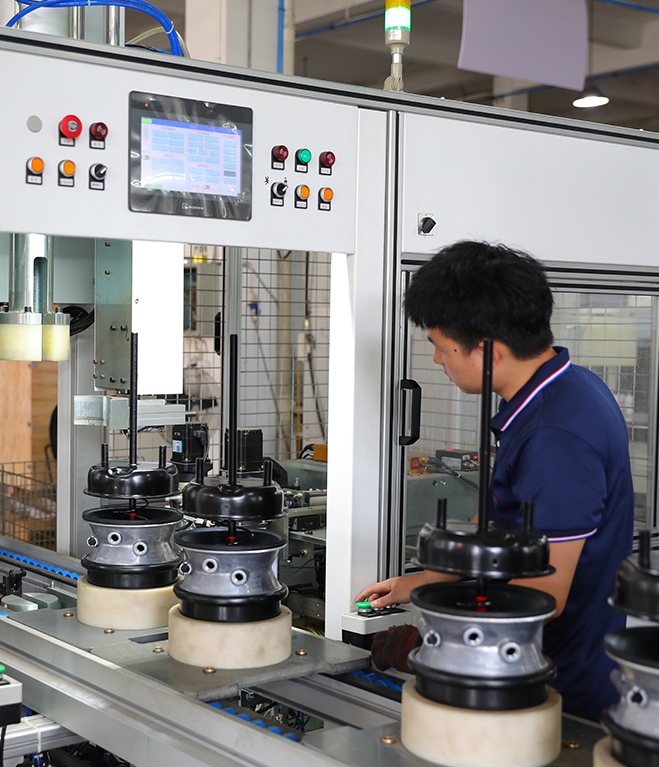
The ISO quality management system covers every process. We have obtained certifications such as Germany's TUA, ensuring that both original equipment and after-sales products meet the strict quality standards of commercial vehicle manufacturers.

Quality

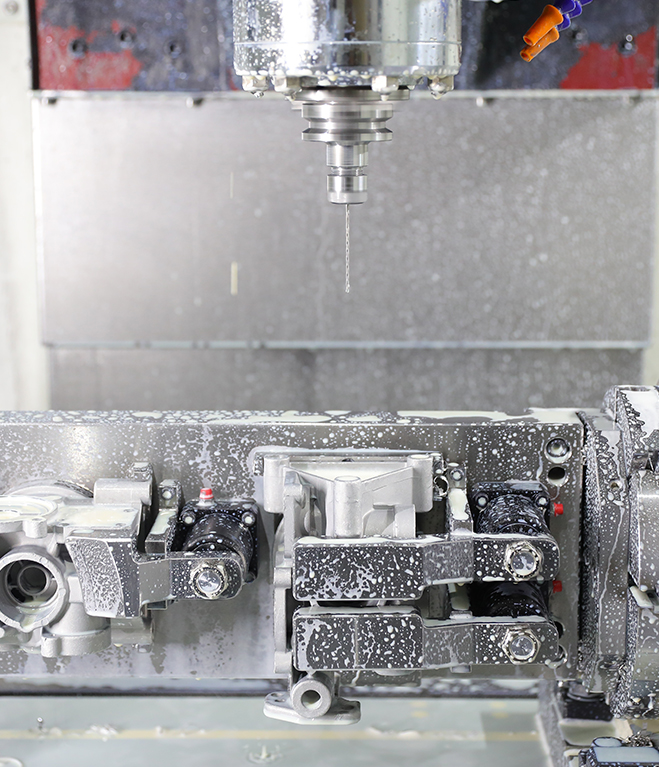
Over 70% of the components for our products are manufactured in-house, which guarantees product quality.

Components

High-quality raw materials, precise calculation, professional design, and strict production testing ensure that all products manufactured by Gongzheng Jinggong are durable.

Service Life

We have long provided direct supporting services for large enterprises. Our long-term close cooperation with commercial vehicle brands and manufacturers in R&D and testing has made us more professional and experienced.

Professionalism

Automated production and accurate, fast logistics services are sufficient to meet customer requirements.

Delivery

We have an independent R&D team. In addition to standard parts, we also offer customization services to meet customers' special needs.

Customization

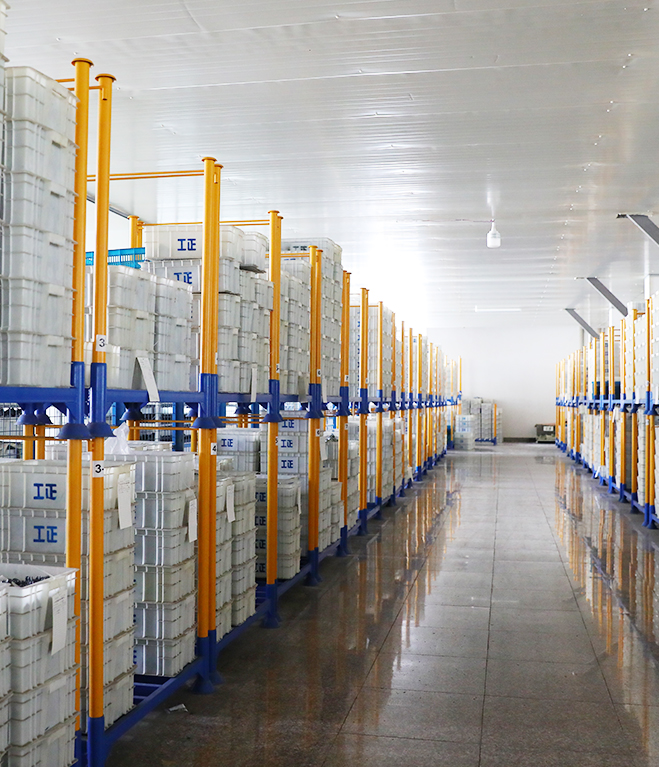
We maintain a standing inventory of over 200,000 units, enabling us to handle large-volume orders and urgent orders.

Inventory
Maintenance

Emergency Function Tests and Service Parts

The valve waits for a rare event and then must work perfectly. A simple schedule prevents most problems.

Table 3 — Recommended inspection and replacement schedule for trailer emergency release valves.

ItemIntervalWhat to Check
Emergency function testEvery 6 monthsDisconnect the supply line and confirm that the trailer brakes apply automatically.
Release function testEvery 6 monthsOperate the release button on an uncoupled trailer and check that it frees the brakes and re-applies.
Coupling-head filtersEvery 6 monthsClean or replace filters; dirt and oil restrict flow and slow piston movement.
Reservoir drainEvery serviceDrain the reservoir and check for water or oil, which points to a supply air quality problem.
Exhaust portEvery serviceCheck for continuous leakage, ice or blockage.
Piston and sealsEvery 4 years or 400,000 kmReplace with a repair kit before the valve begins to stick or leak.
Mounting and linesAnnual inspectionCheck bolts, brackets and fittings for looseness, chafing and corrosion.

We supply repair kits, release buttons, filters, seal sets and complete replacement valves for every model listed on this page.

Diagnostics

Emergency Release Valve Troubleshooting Guide

Check the symptom against the likely cause before replacing the valve. Some complaints trace back to a leaking coupling head or a dirty supply line.

Table 4 — Common emergency release valve symptoms, causes and corrective actions.

SymptomLikely CauseRecommended Action
Trailer brakes do not apply when the supply line is disconnectedPiston stuck in the released position or reservoir empty.Check the reservoir pressure and replace the valve or repair kit.
Trailer brakes stay applied after couplingSupply pressure too low, blocked line or valve stuck in the emergency position.Check supply pressure and coupling; replace the valve if the piston is jammed.
Trailer brakes drag in serviceLeaking inlet seat or sticking piston.Replace the seals or valve and check for contamination.
Air leaks steadily from the exhaust portWorn seat or torn diaphragm.Renew the seat and diaphragm, or replace the valve if the leak persists.
Release button does not free the brakesEmpty reservoir, worn seal or blocked release passage.Check the reservoir pressure; replace the release seals or valve.
Brakes re-apply immediately after releaseReservoir leaking or release seal leaking.Test the reservoir for leaks and replace the valve if necessary.
Valve freezes in winterMoisture in the supply air and cold-hardened seals.Service the tractor air dryer and fit correct cold-grade seals.
Emergency application is very slowRestricted delivery line, dirty filter or weak piston spring.Clean the filters and check the lines; replace the piston kit.

If the symptom continues after valve replacement, the fault is usually in the coupling head, the supply line or the tractor air system. Tell us how the trailer brakes behave when coupled, uncoupled and released, and our technicians will help you trace the fault.

Terminology

Emergency Release Valve Glossary

Plain-language definitions of the terms you will see on trailer brake diagrams, workshop manuals and part listings.

Emergency Valve
A valve that applies the trailer brakes automatically using reservoir air when the supply line loses pressure.
Release Valve
A valve or function that lets an operator temporarily free the trailer brakes when parked.
Supply Line (Red)
The coupling line that charges the trailer reservoir from the tractor.
Control Line (Yellow)
The coupling line that carries the brake signal from the tractor to the trailer.
Two-Line System
The European braking system that uses separate supply and control lines between tractor and trailer.
Coupling Head
The connector at the end of each air line that joins tractor and trailer, often with a filter.
Trailer Reservoir
The trailer's own air tank that holds the energy for emergency and normal braking.
Automatic Application
The brake application that happens without driver action when supply pressure falls.
Shunting
Moving a trailer in a yard or depot, often with no air supply.
Parking Valve
A valve that controls spring brakes for parking, sometimes combined with the emergency function.
Spring Brake
A brake chamber with a spring that applies the brake automatically when air pressure is removed.
Non-Return Valve
A one-way valve that traps reservoir air and stops it flowing back into the supply line.
Questions

Frequently Asked Questions

Twelve questions our distributors, workshops and fleet buyers ask most often about European trailer emergency release valves.

It applies the trailer brakes automatically from the trailer's own reservoir if the supply line loses pressure, and it gives the operator a way to free the brakes temporarily when the trailer is parked and disconnected.

The supply line pressure holds the emergency valve open. When the line is cut, pressure falls, the valve moves and connects the reservoir directly to the brake chambers, so the brakes apply without driver action.

It is used in yards and depots to move a trailer without a tractor connected, for example on a shunting truck or a transporter. The operator presses a button or moves a lever to free the brakes for a short time.

No. The release is temporary, and brakes will re-apply when the reservoir bleeds down. Never leave a trailer released on a slope and always chock the wheels.

A relay emergency valve provides relay and emergency function only. A trailer brake valve with release combines relay, emergency and release in one body. The port layouts differ, so the two are not directly interchangeable.

Signs include trailer brakes that do not apply when the supply line is disconnected, brakes that stay on after coupling, continuous air leakage, a release button that does not work and a valve that freezes in winter.

Yes. Send the diagram or a photo of the valve with the reservoir and coupling lines visible, together with the trailer make and model. We will confirm the valve type, ports and release style within two working days.

Yes, in many cases. A separate release valve can be fitted to a trailer with a relay emergency valve, provided the reservoir and delivery lines are accessible. Send us the trailer air diagram for advice.

Yes. Filters, release buttons, piston kits and seal sets are available for the models listed on this page. Tell us the valve type and the release style, and we will list the matching part numbers for you.

At least every six months and at every inspection. The test is simple: charge the system, disconnect the supply line and check that the trailer brakes apply.

Yes. Trailer builders and repairers can order a few pieces of stocked models, or a full set for a batch of trailers. Stock items ship within 3 to 7 working days after payment, and any special release style is scheduled on the proforma invoice.

Yes. We can produce valves with alternative release button styles, port threads and mounting patterns to your drawing, and supply them in neutral cartons or under your own brand.

Need the right emergency release valve for your trailer?

Send us the OEM part number, the trailer air brake diagram or a photo of the valve. We will confirm the correct model, port layout and release type within 48 hours.