GongzhengGongzhengGongzhengGongzheng GongzhengGongzhengGongzhengGongzheng GongzhengGongzhengGongzhengGongzheng GongzhengGongzhengGongzhengGongzheng

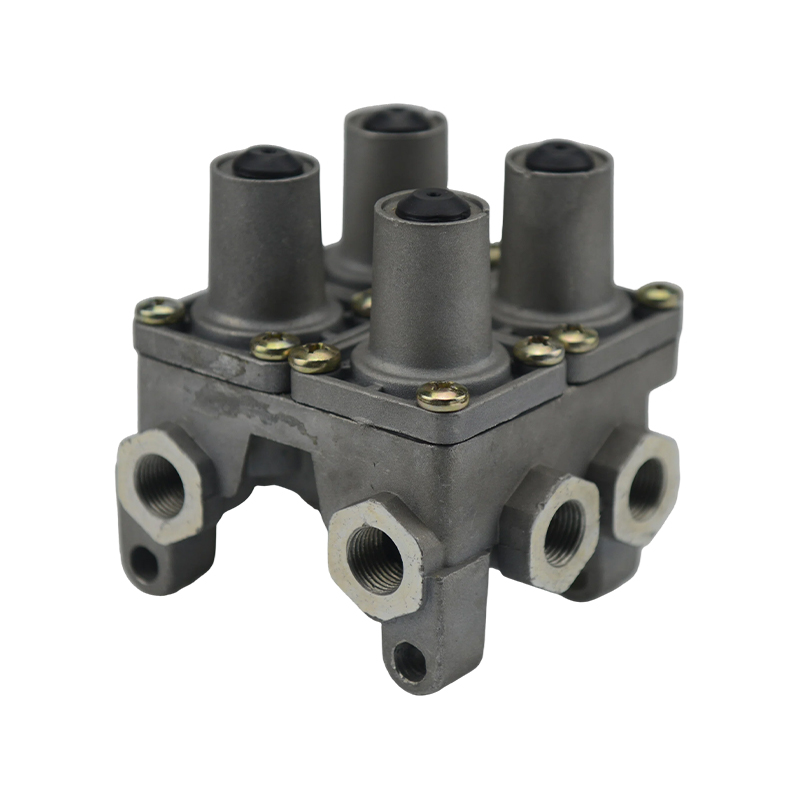
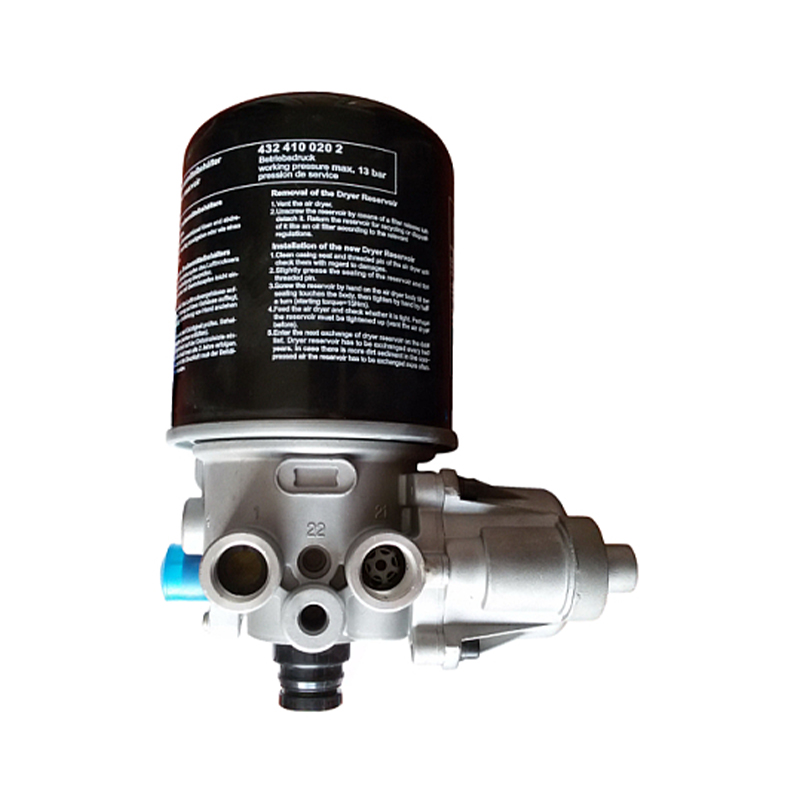
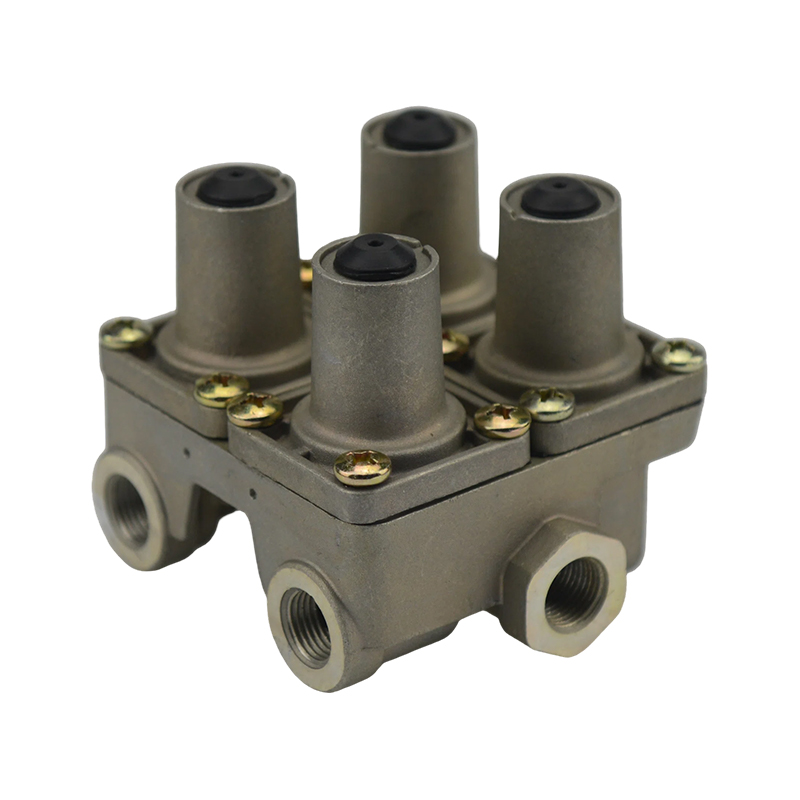
Multi Circuit Protection Valves For Trucks Wholesale

Air Distribution and Safety Components

Multi Circuit Protection Valves For Trucks

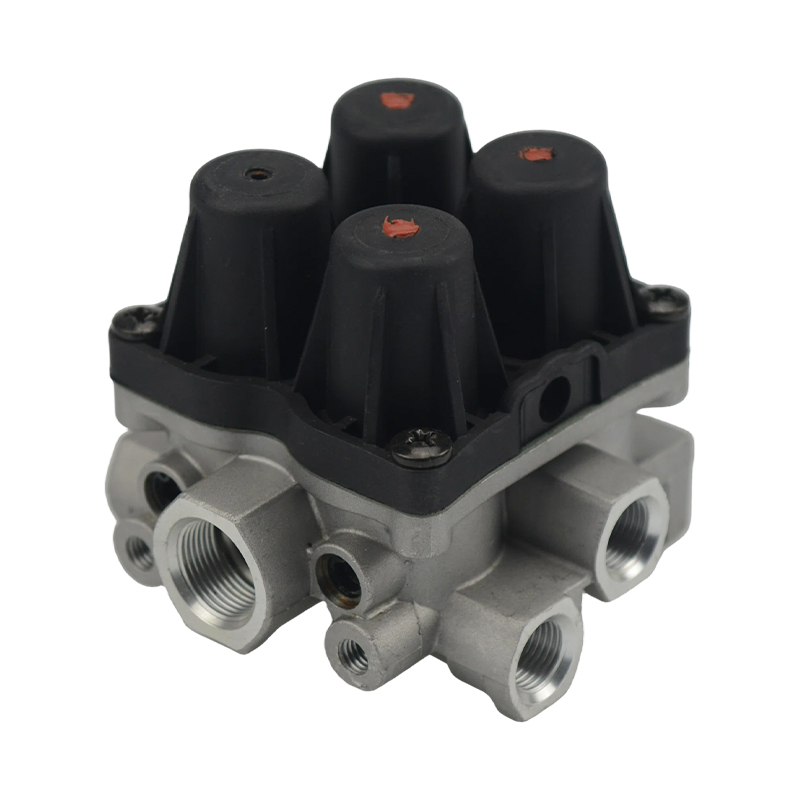
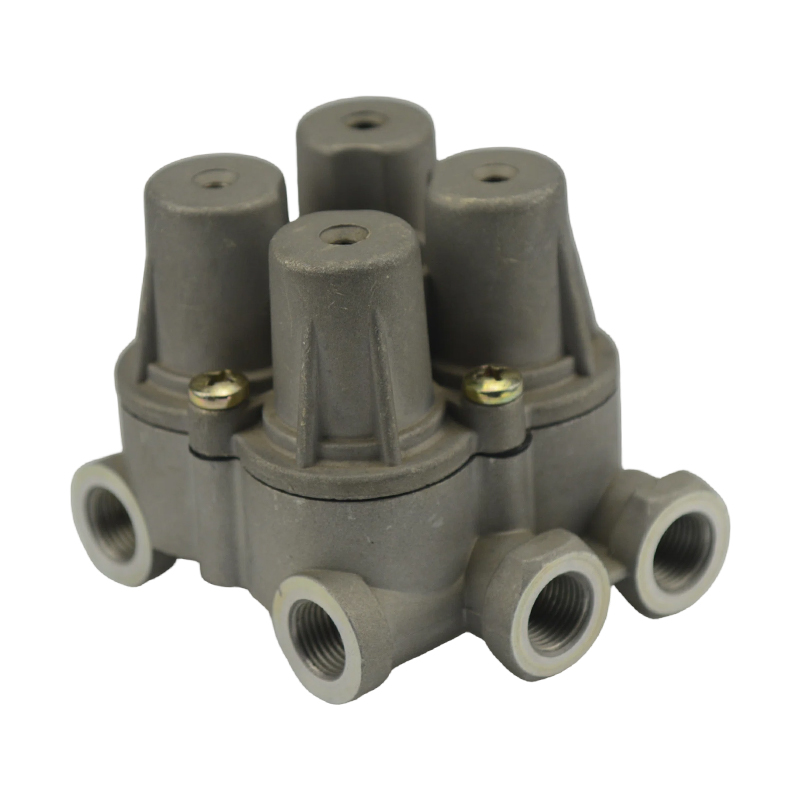
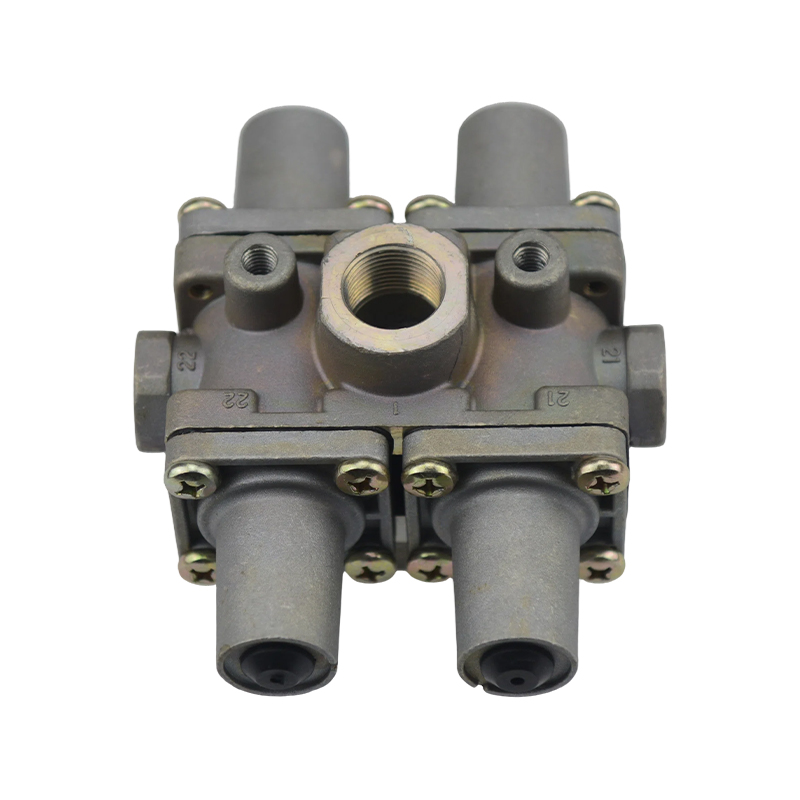
Two, three and four circuit protection valves for truck, tractor and bus air brake systems. They fill each circuit in the correct order and isolate a failed circuit so the rest of the vehicle stays braked.

  • Two, three and four circuit versions in stock
  • Opening pressures matched to OEM reference numbers
  • Optional pressure limiter and test connection on selected models
4Independent circuits on tractor versions
13 barMaximum supply pressure
100%Opening pressure tested on every unit
48 HCircuit layout reply within two working days
Product Overview

What Is a Multi Circuit Protection Valve for Trucks?

Definition

A multi circuit protection valve is a pressure-distribution valve installed between the air dryer and the air reservoirs of a truck. It divides the single supply of dry compressed air into two, three or four independent circuits, admits air to each circuit only after a set opening pressure is reached, and shuts off any circuit that loses pressure so the remaining circuits stay charged and the vehicle can still be braked.

An air brake system is deliberately built from separate circuits: front axle service brakes, rear axle service brakes, the parking and trailer circuit, and one or more auxiliary circuits for suspension, doors, gearbox and accessories. If all of these drew from a single reservoir, one broken hose or one leaking fitting would empty the entire vehicle and leave the driver with spring brakes slamming on at speed. The multi circuit protection valve is the gatekeeper that prevents that scenario. It keeps a fault in one circuit from draining the others.

Opening Pressure, Closing Pressure and Priority

Each outlet of the valve is loaded by its own spring and piston. When the supply from the dryer is first applied, no circuit opens until inlet pressure has climbed past the opening pressure of that outlet. Because the springs are set at different values, the circuits fill in a deliberate order, with the brake and parking circuits charging before the auxiliary circuits are allowed to take air. This priority means that a leaking accessory line can never starve the brakes during start-up.

Once a circuit is open, it stays open until its own pressure falls below the closing pressure, which is lower than the opening pressure. A circuit that suffers a sudden leak therefore drops below closing pressure and is cut off from the supply, while the healthy circuits keep their stored air behind internal non-return valves. This overflow-and-isolate behaviour is the core protective function of the valve.

Two, Three and Four Circuit Versions

Two-circuit valves serve simple rigid trucks that need only separate front and rear service circuits. Three-circuit valves add a protected parking-brake circuit. Four-circuit valves, the most common type on tractor units, split the supply into front service, rear service, trailer and parking, and auxiliary circuits. The higher the circuit count, the more independent charge paths the valve has to manage, and the more important it is to match the correct opening pressure to each outlet.

Functions Built into the Housing

Modern valves combine several jobs in one body. Integrated non-return valves stop air flowing backwards out of a charged circuit into a failed one. A test connection allows the workshop to read supply pressure without opening a line. Many designs include a pressure relief or safety function, and some four-circuit versions add a pressure-limiting stage on the auxiliary outlet so that accessories never receive more than their rated pressure.

Why the Parking Circuit Is Protected

On a spring-braked vehicle the parking brake is released by air pressure and applied by spring force. If a service circuit failure were allowed to bleed the parking circuit, the spring brakes would apply automatically without warning. The valve prevents this by isolating the parking circuit, and regulations governing air-braked vehicles require that a failure in one part of the system must not result in complete loss of braking. That is the reason a multi circuit protection valve is a safety-critical part and not a simple manifold.

Signs That the Valve Is Failing

The first symptom is usually one circuit that fills slowly or not at all while the others charge normally. Other signs include air pressure that falls quickly with the engine off, an uneven pressure reading between the front and rear brake circuits, or audible leakage from the relief port. Because the valve has moving pistons and springs, it is also vulnerable to moisture from a failed air dryer, which corrodes bores and makes pistons stick.

Matching the Valve to the Circuit Layout

Specify the number of circuits, the opening pressure of each outlet, the port threads, whether a test connection or pressure limiter is required, and the mounting bracket pattern. Two valves that look identical from the outside can have very different spring settings inside, so the OEM reference number is the safest starting point.

  • Fit point: between air dryer and air reservoirs
  • Function: distributes and isolates circuits
  • Circuit count: two, three or four
  • Internal parts: pistons, springs, non-return valves
  • Diagnostic port: test connection
  • Failure protection: keeps healthy circuits charged

Technical Data

Circuit Protection Valve Model Range

Standard configurations below. Custom opening pressures, port threads and bracket patterns can be produced to your drawing.

Table 1 — Genuine gzbrake.com Ref NO. and OE cross-reference data for representative European Circuit Protection Valve products.

Ref NO.Product NameApplicationTechnical SpecificationOE / Cross-Reference (Sample)Cross-Ref. CountProduct Line
9347022500Four-Circuit Protection Valve with M16/M22 PortsDAF, IVECOPort 1: M22x1.5 Port 21,22,23,24: M16x1.5 Opening pressure 21,22,23,24: 7.0-0.3 barDAF:1506418,670766 / IVECO:42078368,42079915,42085657,420856582European Circuit Protection Valve
9347022600Integrated High-Efficiency Pneumatic Protection ValveDAF, MERCEDESPort 1,21,22,23,24: M22x1.5 Voss Opening pressure 21,22,23,24: 7 barDAF:1518181 / MERCEDES:0024317306,0024317406,0024317606,0024317806,A00243174062European Circuit Protection Valve
9347000400Pneumatic Two-Circuit Protection Valve (6 Bar Opening)DAF, MERCEDESPort 1: M22x1.5 Port 21,22: M16x1.5 Opening pressure21,22: 6 barDAF:0867660,867660 / MERCEDES:0014314606,A00143146062European Circuit Protection Valve
9347010400Professional-Grade Heavy-Duty Four-Circuit Protection ValveDAF, IVECO, MAN, MERCEDES +1 morePort 1: M22x1.5 Port 21,22,23: M16x1.5 Opening pressure21,22: 6 bar 23: 5.5 barDAF:1506411 / IVECO:02511332,61580965 +3 more5European Circuit Protection Valve
9347141510Flange-Mounted Four-Circuit Protection ValveRVIPort 1: FlangePort 21,22,23,24: M 16x1.5Opening pressure 21,22,34: 6.5-0.3 bar23:7.5-0....European Circuit Protection Valve
9347147400Multi-port Four-Circuit Protection Valve (Six Output Ports)VOLVOPort 1: M22x1.5Port 11,12,21,22,23,24: M16x1.5Opening pressure 21,22: 6.3-0.3 bar23,24:...VOLVO:20382309,20452151,20716313,20755195,212254791European Circuit Protection Valve
AE4404High-Pressure Four-Circuit Protection Valve with VOSS PortsMERCEDESPort 1,21,22,23,24: M 22x1.5 Voss Opening pressure 21,22,23,24: 7 barMERCEDES:00243176061European Circuit Protection Valve
AE4440High-Reliability Four-Circuit Safety Distribution ValveRENAULTPort 1: M22x1.5Ports 21,22,23,24: Ø 9 mmOpen Pressure 21,22,24: 7bar 23:7.3barRENAULT:5010216965,5001837081,5001837080,5001837079,5010216965,50018370791European Circuit Protection Valve

Ref NO. and cross-reference numbers above are drawn directly from our European Circuit Protection Valve product range on gzbrake.com. Cross-reference lists are sampled for space; contact us with your vehicle's OE number or chassis details for the complete, current cross-reference list and stock availability.

Typical Vehicle Reference List

Mercedes-Benz ActrosMercedes-Benz AxorMercedes-Benz CitaroVolvo FHVolvo FEScania G-SeriesScania R-SeriesMAN TGLMAN TGMMAN Lion's CoachDAF LFDAF XFIveco TrakkerIveco EurocargoRenault D-SeriesRenault T-SeriesFord Trucks F-MAXSolaris Urbino
About Us
Zhejiang Gongzheng Machinery Co., Ltd.
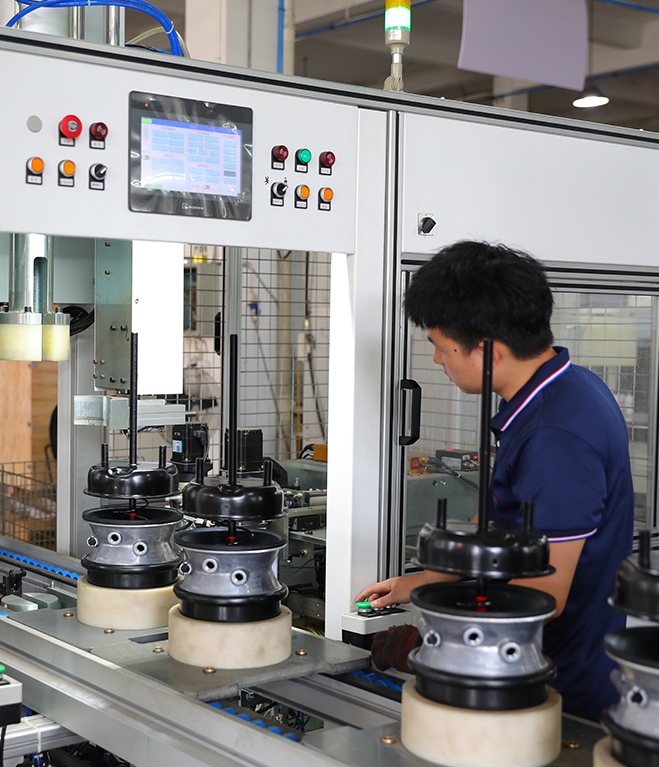
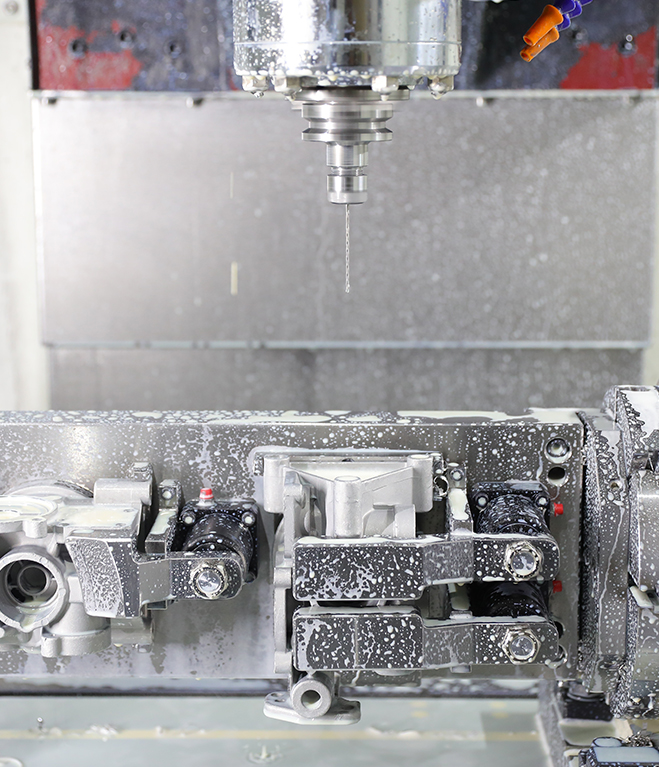
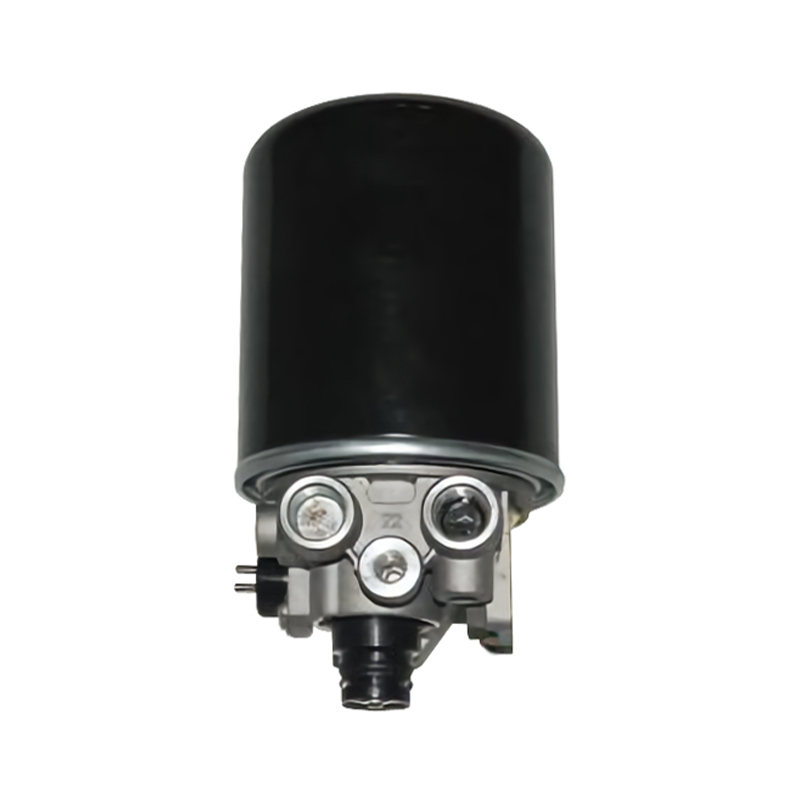
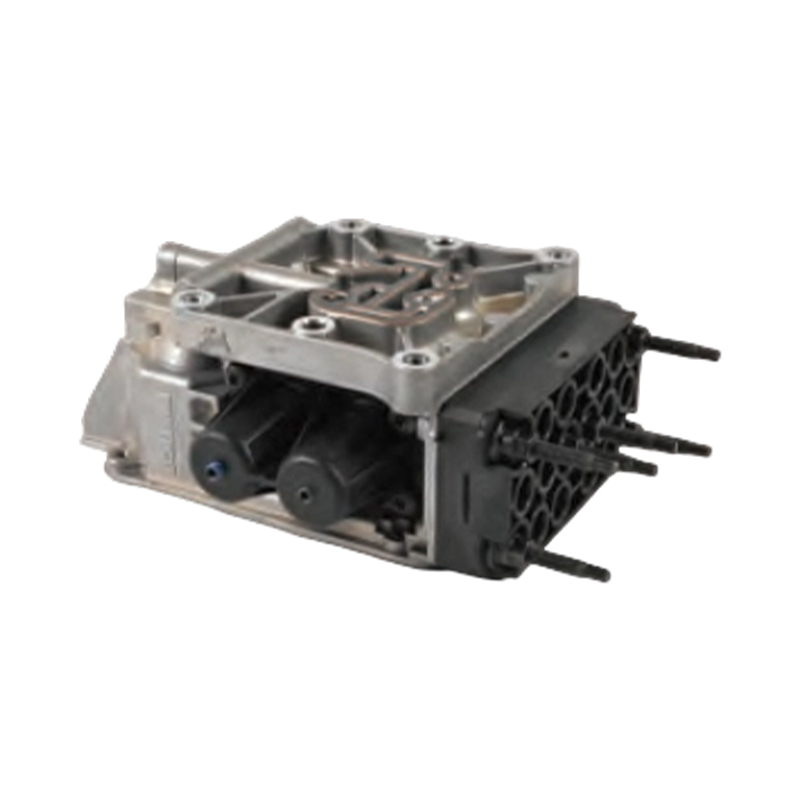
Zhejiang Gongzheng Machinery Co., Ltd. is professional China Multi Circuit Protection Valves For Trucks Manufacturers and Wholesale Multi Circuit Protection Valves For Trucks Factory. Our core products include ABS (Anti-lock Braking System) and EBS (Electronic Braking System) control units, air dryers, air brake valves, and spring brake chambers, designed to meet the rigorous demands of the global commercial vehicle industry.

With advanced production technology, strict quality control, and a commitment to innovation, we provide reliable and efficient solutions for truck and trailer manufacturers worldwide. Our products comply with international standards, ensuring safety, durability, and superior performance in diverse operating conditions.

Key Products:
ABS & EBS Control Systems – Enhancing vehicle safety and stability.
Air Dryers – Ensuring clean, moisture-free air for braking systems.
Air Brake Valves – Precision-engineered for optimal braking performance.
Spring Brake Chambers – Robust design for heavy-duty applications.
At Zhejiang Gongzheng Machinery, we prioritize customer satisfaction, technological advancement, and sustainable growth. Partner with us for trusted braking solutions that drive excellence.

Safety. Reliability. Innovation.
  • 0m2
    Factory Area
  • 0+
    Founded In
  • 0+
    Number of Employees
  • 0+
    Customer Service
Working Principle

How a Multi Circuit Protection Valve Protects the System

The valve manages every charge and every leak with the same spring-and-piston logic. Five stages describe what happens.

Supply Arrives

Dry air from the air dryer enters the single supply port. At low pressure every outlet piston is held closed by its spring, so no circuit receives air yet.

First Circuits Open

As inlet pressure passes the lowest opening pressure, the brake circuits open first and air flows into their reservoirs, giving the driver braking capacity early.

Remaining Circuits Open

With pressure still rising, the parking and auxiliary outlets open at their higher set points. All circuits are now charging from the same supply.

Non-Return Lock

Each outlet has a non-return valve. When the supply falls at cut-in, stored air in every circuit is locked in and cannot flow back toward the dryer or into another circuit.

Fault Isolation

If one circuit loses pressure, its piston drops below closing pressure and shuts that outlet. The other circuits keep their stored air, and the vehicle retains braking on the healthy circuits.

What Happens When the Protection Valve Fails

  • A stuck-closed outlet leaves a circuit uncharged, and the driver sees one gauge stay low while the others rise.
  • A leaking non-return valve lets air drain from healthy circuits into a broken one, defeating the purpose of the valve.
  • Weakened opening springs let auxiliary circuits open too early and slow the fill of the brake circuits.
  • A jammed piston can leave a failed circuit connected, so a hose leak drains the whole system.
  • Corrosion from wet air seizes pistons and creates intermittent, hard-to-trace pressure faults.
Product Features

Designed to Isolate Faults Reliably

Each valve is built around precise spring settings and clean piston bores, because these are the parts that decide whether the protection works.

Calibrated Opening Pressures

Springs are set and verified per outlet, so circuits fill in the intended order and the brake circuits always take priority.

Integrated Non-Return Valves

Every outlet includes a check valve that traps stored air and stops back-flow into a failed circuit.

Choice of Circuit Count

Two, three and four circuit bodies let one supplier cover rigid trucks, tractor units and buses.

Built-In Test Connection

A pressure test port lets workshops read supply and opening pressure without breaking any brake line.

Pressure-Limiting Option

Selected four-circuit models limit the auxiliary outlet to a lower pressure to protect suspension and accessory components.

Corrosion-Resistant Internals

Anodised aluminium bodies and treated pistons resist moisture, road salt and long service intervals.

Selection Guide

How to Choose the Right Multi Circuit Protection Valve

Five points decide whether the valve fits the vehicle's circuit layout and behaves correctly the first time it is charged.

  • 01

    Count the circuits

    Trace the lines leaving the old valve. Two service circuits, plus parking, plus trailer or auxiliary, tell you whether a two, three or four circuit body is needed. Using a valve with too few outlets leaves circuits unprotected.

  • 02

    Read the opening pressures

    The set pressure is often stamped on the housing or listed in the workshop manual. Choose a valve that matches each outlet, since brake circuits must open before auxiliary circuits.

  • 03

    Match the ports

    Supply is normally M22 × 1.5 while delivery ports may be M16 × 1.5 or M22 × 1.5. A port thread mismatch forces adapters, which add leak points to a safety component.

  • 04

    Check for extra functions

    Some circuits need a pressure limiter, a trailer priority stage or a test connection. Confirm these against the original valve, since omitting a function changes how the whole system behaves.

  • 05

    Verify the bracket pattern

    Mounting holes, orientation and port position differ between chassis. A photo of the installed valve and the line layout is usually enough for us to confirm the correct variant.

Table 2 — Vehicle type and typical circuit protection valve layout.

Vehicle TypeTypical LayoutPriority Order
Two-axle rigid truck2 or 3 circuitsFront service, rear service, then parking
Three-axle rigid truck3 circuitsService circuits first, then parking and auxiliary
Tractor unit4 circuitsFront, rear, trailer and parking, auxiliary
City bus4 circuitsBrakes first, then doors and suspension
Vehicle with air suspension4 circuits with limiterBrakes first, limited pressure to suspension

Layouts are typical and vary by manufacturer. Always follow the vehicle's own air circuit diagram.

Applications

Where These Protection Valves Are Fitted

Any air-braked truck or bus with more than one brake circuit needs a protection valve. The list below shows where our valves go most often.

Tractor Units

Four-circuit valves split the supply between front and rear service brakes, the trailer and parking circuit, and auxiliaries such as suspension.

Two-Axle Rigid Trucks

Two and three circuit valves keep front and rear service brakes independent and protect the parking circuit.

Three-Axle Rigid Trucks

The extra axle raises air demand, so opening pressures and the fill sequence must match the larger reservoir volume.

City Buses

Frequent door operation and kneeling functions place heavy demand on the auxiliary circuit, which must never starve the brakes.

Coaches

Air suspension, retarders and luggage-bay functions give a complex auxiliary side that benefits from a pressure-limited outlet.

Tippers and Construction Trucks

Vibration and dirt can loosen fittings, making isolation of a leaking circuit particularly important on site.

Vehicles Working with Trailers

A protected trailer supply circuit stops a broken trailer hose from draining the tractor brake circuits.

Fleet Retrofits and Repairs

Replacing a corroded or leaking valve restores circuit isolation on older vehicles without altering the brake layout.

Installation

Installation Notes for Workshops

A protection valve is a safety component, so installation errors matter. Follow the sequence below to avoid the mistakes that lead to repeat repairs.

Drain and Depressurise

Release all reservoir pressure and confirm zero on every gauge. Circuit protection valves hold stored air behind check valves, so tanks may stay charged after the supply is drained.

Label Every Line

Mark each pipe with its circuit before disconnecting. Swapping outlet lines is the most common installation error and leaves the wrong circuit with the wrong priority.

Inspect the Supply Line

Check the line from the air dryer for oil, water and debris. Contaminated air sticks pistons and shortens valve life.

Renew the Seals and Fittings

Fit new sealing washers or O-rings on every port. Reused seals on a multi-port body leak slowly and are hard to locate.

Mount in the Correct Orientation

Follow the arrow or port marking on the housing. Some valves depend on gravity to drain moisture away from the pistons.

Charge and Test Each Circuit

Start the engine and watch each gauge. Confirm that circuits fill in the intended order, then drain one line and check that the others hold pressure.

Quality
Components
Service Life
Professionalism
Delivery
Customization
Inventory
Why Gongzheng Only

By cooperating with us, you can obtain

Your Single Source for Braking Performance and Safety.

The ISO quality management system covers every process. We have obtained certifications such as Germany's TUA, ensuring that both original equipment and after-sales products meet the strict quality standards of commercial vehicle manufacturers.

Quality

Over 70% of the components for our products are manufactured in-house, which guarantees product quality.

Components

High-quality raw materials, precise calculation, professional design, and strict production testing ensure that all products manufactured by Gongzheng Jinggong are durable.

Service Life

We have long provided direct supporting services for large enterprises. Our long-term close cooperation with commercial vehicle brands and manufacturers in R&D and testing has made us more professional and experienced.

Professionalism

Automated production and accurate, fast logistics services are sufficient to meet customer requirements.

Delivery

We have an independent R&D team. In addition to standard parts, we also offer customization services to meet customers' special needs.

Customization

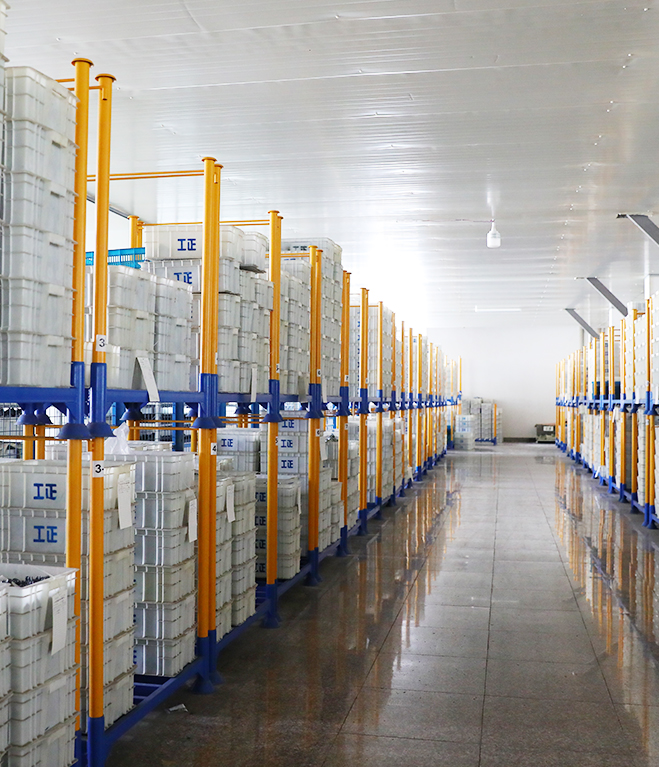
We maintain a standing inventory of over 200,000 units, enabling us to handle large-volume orders and urgent orders.

Inventory
Maintenance

Inspection Schedule and Replacement Valves

The valve rarely needs attention, but a failing one is a safety risk. A simple schedule keeps circuit isolation dependable.

Table 3 — Recommended inspection and replacement schedule for multi circuit protection valves.

ItemIntervalWhat to Check
Air reservoir drainsDaily / every fuellingWater in the drain points to a failing dryer, which will attack the protection valve pistons.
Circuit gaugesEvery tripWatch for any circuit that lags behind the others or falls quickly after switching off.
Opening pressure testEvery 12 monthsRead each outlet pressure at the test connection and compare with the specification.
Leak-down testEvery 12 monthsIsolate the supply, watch each circuit and confirm the pressure holds within limits.
Non-return valvesWith each valve serviceA drop in circuit pressure with the engine off suggests a leaking check valve.
Port fittings and sealsWith each disturbanceReplace any hardened, flattened or nicked seals on the affected ports.
Housing and bracketAnnual inspectionCheck for corrosion, cracks and loose mounting bolts, especially on vehicles used in winter salt.

We supply complete replacement valves, seal kits and adapter fittings for every model listed on this page.

Diagnostics

Circuit Protection Valve Troubleshooting Guide

Start with the symptom and work back to the cause before replacing the valve. Some complaints trace back to a leaking line or a failed dryer rather than the valve itself.

Table 4 — Common protection valve symptoms, causes and corrective actions.

SymptomLikely CauseRecommended Action
One circuit stays at low pressure while the others fillPiston stuck closed, or a large leak downstream of that outlet.Check the line and reservoir for leaks; replace the valve if the piston is jammed.
Pressure falls quickly with the engine offLeaking non-return valve or damaged seat inside the valve.Replace the valve and inspect the air dryer for moisture.
Air escapes from the relief portSafety function lifting due to excess supply pressure, or a piston not seating.Check governor cut-out pressure; replace the valve if it leaks below rated pressure.
All tanks fill more slowly than usualBlocked supply line, saturated dryer, or springs that open circuits too early.Inspect the supply line and dryer; test the opening pressures.
Auxiliary circuit fills before the brake circuitsBrake circuit springs drifted high or the auxiliary spring is weak.Test opening pressures at the test connection; replace the valve if out of range.
Spring brakes apply when a service circuit failsParking circuit not isolated because the check valve is leaking.Replace the valve immediately and check the parking circuit for leaks.
A circuit does not reconnect after a leak is repairedPiston remains latched below closing pressure or has corroded in the bore.Cycle the system; replace the valve if the piston does not release.
Corrosion or water in the valve housingAir dryer failure has allowed moisture to reach the valve.Replace the valve, service the air dryer and drain all reservoirs.

If the symptom continues after the valve is replaced, the fault is usually a leaking line, a reservoir problem or a failed air dryer upstream. Send us the circuit diagram and the gauge readings, and our technicians will help you tell a valve fault from a line leak.

Terminology

Circuit Protection Valve Glossary

Plain-language definitions of the terms you will see on air circuit diagrams, workshop manuals and part listings.

Multi Circuit Protection Valve
The valve that splits the compressed air supply into independent circuits and isolates any circuit that loses pressure.
Brake Circuit
A separate branch of the air system serving one group of brakes, such as the front axle or the rear axle.
Opening Pressure
The inlet pressure at which a circuit outlet begins to open and allow air to fill its reservoir.
Closing Pressure
The lower pressure at which a circuit outlet shuts when its own pressure falls, isolating the circuit from the supply.
Overflow Function
The ability of a circuit to pass air onward only after the priority circuits have reached their set pressure.
Non-Return Valve
A one-way valve that lets air flow into a circuit but prevents it flowing back out toward the supply or another circuit.
Test Connection
A small port on the valve body used to read pressure with a gauge without disconnecting any brake line.
Pressure Limiter
A stage that caps the pressure delivered to an outlet, typically used to protect the auxiliary and suspension circuits.
Parking Brake Circuit
The circuit that holds the spring brakes released with air. It is protected so a service circuit failure cannot apply the parking brakes.
Auxiliary Circuit
A lower-priority circuit that supplies accessories such as air suspension, doors and gearbox actuators.
Reservoir
An air tank that stores compressed air for one circuit, so the brakes can still be applied if the compressor stops.
Air Circuit Diagram
The schematic in the workshop manual showing how each line and valve is connected, and the reference for choosing the correct valve.
Questions

Frequently Asked Questions

Twelve questions our distributors, workshops and fleet buyers ask most often about multi circuit protection valves for trucks.

It shares the compressed air from the dryer between the separate brake and auxiliary circuits of a truck, fills them in a set order, and shuts off any circuit that loses pressure. The healthy circuits keep their air, so the vehicle can still be braked after a single failure.

The number of circuits depends on how the vehicle's air system is divided. A simple rigid truck may need only two, while a tractor unit typically needs four, covering front, rear, trailer and parking, and auxiliary functions.

No. The valve must match the circuit layout of the vehicle. Using fewer circuits leaves at least one circuit unprotected or forces two circuits to share a supply, which defeats the safety purpose.

It is the pressure at which each outlet starts to pass air. Different opening pressures make the brake circuits fill before the auxiliary circuits. A wrong setting can slow brake charging or let an accessory leak drain the system.

Charge the system, then watch the gauge on each circuit. Fill order and rate should match the specification. Use the test connection to read opening pressure, then isolate the supply and confirm each circuit holds pressure.

The usual signs are one circuit that fills slowly or not at all, pressure that drops quickly with the engine stopped, air blowing from the relief port, and inconsistent readings between the brake circuits.

Yes. Send a photo of the housing together with a sketch of the circuit lines, and tell us the vehicle make, model and year. We compare port positions, circuit count and opening pressures against our range and reply within two working days.

Yes. Selected four-circuit models include a pressure-limited auxiliary outlet, designed for vehicles with air suspension or accessories that need a lower supply pressure than the brake circuits.

The check valves are part of the valve body and are normally not serviced separately. If a circuit drains with the engine off, the safest and most cost-effective repair is to replace the complete valve.

Yes. Water from a failed air dryer corrodes the piston bores and makes pistons stick. If you replace a corroded valve, service the air dryer too, or the new valve will suffer the same damage.

Valves in stock, such as the common four-circuit models, normally leave within 3 to 7 working days of payment. Non-standard opening pressures are produced to order, and we confirm a delivery date on the proforma invoice before production starts. Trial orders of a few pieces are welcome.

Yes. We can produce valves with alternative opening pressures, port threads and bracket patterns to match your drawing, and supply them in neutral cartons or under your own brand with custom labels.

Need the right circuit protection valve for your vehicles?

Send us the OEM part number, the air circuit diagram or a photo of the valve. We will confirm the correct model, port layout and opening pressures within 48 hours.