GongzhengGongzhengGongzhengGongzheng GongzhengGongzhengGongzhengGongzheng GongzhengGongzhengGongzhengGongzheng GongzhengGongzhengGongzhengGongzheng

Air Suspension Levelling Control Valves Wholesale

Ride Height Control Components

Air Suspension Levelling Control Valves

Mechanical levelling control valves for truck, trailer and bus air suspension. They keep the ride height constant under any load with a built-in time delay, and versions with a lift-and-lower function are available.

  • Single-point, two-point and lift-and-lower versions
  • Linkage rods, bushings and levers supplied separately
  • Matched to European trailer, truck and bus axles
± 30°Lever working angle
5 – 20 sBuilt-in response time delay
100%Neutral zone and leak tested before shipment
48 HLinkage and valve reply within two working days
Product Overview

What Is an Air Suspension Levelling Control Valve?

Definition

An air suspension levelling control valve, also called a height control valve, is a lever-operated pneumatic valve mounted on the chassis and linked by a rod to the axle. It measures the distance between chassis and axle and feeds air into or exhausts air from the air springs to hold the vehicle at a constant ride height, no matter how heavy the load is.

An air-sprung axle carries its load on cushions of compressed air instead of steel leaf springs. That gives a smoother ride and lower wear on cargo and roads, but it also means the chassis would sink as the load increases and rise as it is removed, unless something adjusts the air pressure in the bellows. The levelling valve is that something. It works quietly on every trip, adding a little air after loading, letting a little out after unloading, and keeping the vehicle level enough for the coupling, the loading dock and the brake geometry to remain correct.

Lever, Linkage and Neutral Zone

The valve body is bolted to the chassis. A lever on the valve shaft is connected to the axle by a vertical linkage rod. When the chassis moves relative to the axle, the rod turns the lever. Inside the valve a rotary or piston element opens a passage from the supply port to the bellows port when the chassis drops, and from the bellows port to the exhaust port when the chassis rises. Between the two directions is a neutral zone, a few degrees of lever movement in which the valve is closed and holds the bellows pressure steady.

Time Delay and Damping

A road surface is never flat, and the axle moves up and down constantly while driving. If the valve reacted to each bump, it would keep adding and dumping air, waste compressed air and make the ride unstable. To avoid this, the valve includes a time delay or damping stage that only lets it respond after the lever has stayed displaced for several seconds. This means the valve corrects load-related height changes but ignores short-term road movement.

Single-Point and Two-Point Systems

On a simple axle, a single valve mounted centrally levels both air springs together. Vehicles that need better roll stability, such as tankers, car transporters and buses, use two valves, one for each side of the axle. Each valve levels its own side, and the two-point layout keeps the chassis level across the width as well as along the length. The valve type used, and the way it is plumbed, therefore depends on the vehicle design.

Lifting and Lowering Functions

Some valves include a manual or electrical lift-and-lower function that overrides the automatic height. The driver can lower the chassis to match a loading dock or raise it to clear a kerb. A three-position selector holds the vehicle at driving height in the normal position. These valves are more complex, and they need to be matched to the correct control unit or hand lever.

Signs of Wear and Misadjustment

A vehicle that sits too low or too high, sags on one side, bounces after bumps, or continuously vents air from the exhaust usually has a levelling valve problem. Worn rubber bushings on the linkage rod, a bent lever, or a dry rotary seal can also produce these symptoms, so the whole linkage should be inspected before the valve itself is replaced.

Matching the Valve to the Axle and Linkage

Match the lever length and orientation, the port threads, the time delay and flow capacity, and whether a lift-and-lower function is needed. Valves that look identical can have different lever angles, so use the OEM number or the original lever dimension as a reference.

  • Fit point: chassis, linked to the axle by rod
  • Function: holds constant ride height
  • Ports: supply, bellows, exhaust
  • Damping: built-in time delay
  • System types: single-point and two-point
  • Service parts: linkage rod, bushings, lever, seal kit

Technical Data

Levelling Valve Model Range

Standard configurations below. Custom lever lengths, port threads and time delays can be produced to your drawing.

Table 1 — Genuine gzbrake.com Ref NO. and OE cross-reference data for representative European Levelling Valve products.

Ref NO.Product NameApplicationTechnical SpecificationOE / Cross-Reference (Sample)Cross-Ref. CountProduct Line
4640023300Universal Levelling Valve (for DAF/VOLVO/MAN/IVECO)DAF, VOLVO, MAN, IVECO +1 morePort 1 = M12x1.5,Port 21,22 = M12x1.5European Levelling Valve
4640061000Air Suspension Height Leveling ValveKNORRPorts 1,21,22: M12x1.5Ports 12,23: M16x1.5KNORR:SV1410Daf 1325336Man 1260680Krone 5808613Kogel 318955Schmitz 50637828549900001European Levelling Valve
4640060020Mechanical Linkage Air Suspension Levelling Valve for Heavy-Duty VehiclesSCANIA, MAN, IVECOPort 1 = M12x1.5,Port 21,22 = 2xM12x1.5,Lever: DIA 6, 325mmEuropean Levelling Valve
4640070100Levelling Valve for SCANIA SeriesSCANIAPort 1 = M10x1,Port 2 = M10x1Without Check Valve in DeliverySCANIA:13997761European Levelling Valve
4640070020Levelling Valve for VOLVO SeriesVOLVOPort 1 = M10x1,Port 2 = M10x10.5 bar Check In DeliveryVOLVO:81419341European Levelling Valve
4640070010High-Flow, Rapid-Response Height Leveling ValveDAFPort 1 = Quick Connection Tube 6,Port 2 = Quick Connection Tube 60.5 bar Check In DeliveryDAF:0759050Iveco 05188642MAN 814361061291European Levelling Valve
4640070360Universal Height Leveling Valve for Commercial VehiclesFOTONPort 1 = LEGRIS Connection Tube 6,Port 2 = LEGRIS Connection Tube 60.6 bar Check In Del...European Levelling Valve
SV1294Universal Levelling Valve for European Multi-platformsWABCO, VOLVO, DAF, MAN +3 morePort 1 = M12x1.5,Port 2 = 2xM12x1.5WABCO:4640025120 4640025320 / VOLVO:1587153 +5 more7European Levelling Valve

Ref NO. and cross-reference numbers above are drawn directly from our European Levelling Valve product range on gzbrake.com. Cross-reference lists are sampled for space; contact us with your vehicle's OE number or chassis details for the complete, current cross-reference list and stock availability.

Axle and Vehicle Reference List

BPW Axle SystemsSAF Axle SystemsROR Axle SystemsSchmitz CargobullKrone TrailerKögel TrailerMercedes-Benz ActrosMAN TGXScania R-SeriesVolvo FHDAF XFIveco StralisRenault T-SeriesSetra CoachNeoplan CoachVan Hool CoachSolaris BusMAN Lion's City
About Us
Zhejiang Gongzheng Machinery Co., Ltd.
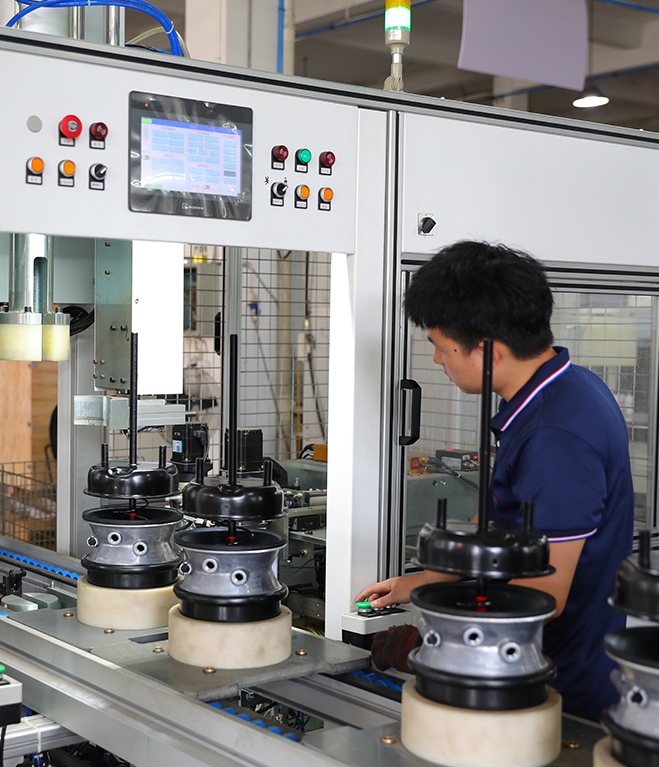
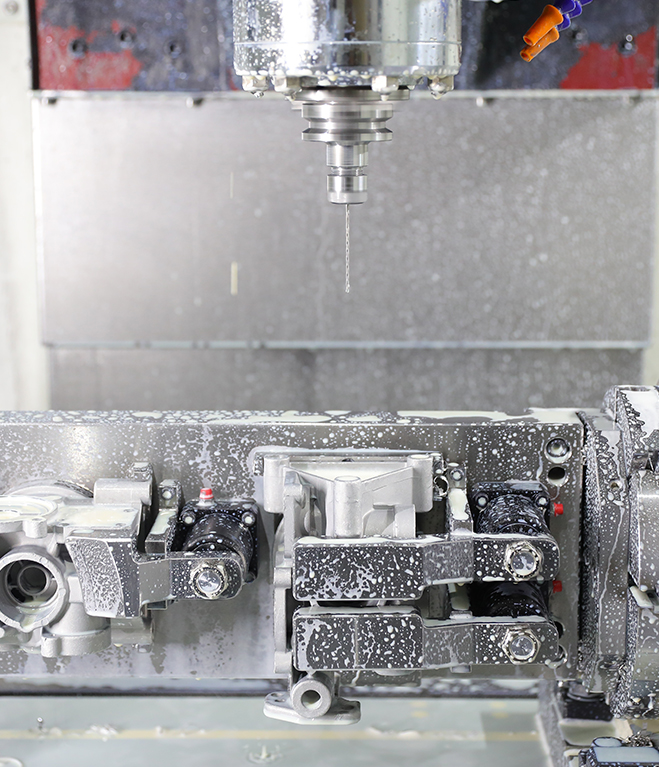
Zhejiang Gongzheng Machinery Co., Ltd. is professional China Air Suspension Levelling Control Valves Manufacturers and Wholesale Air Suspension Levelling Control Valves Factory. Our core products include ABS (Anti-lock Braking System) and EBS (Electronic Braking System) control units, air dryers, air brake valves, and spring brake chambers, designed to meet the rigorous demands of the global commercial vehicle industry.

With advanced production technology, strict quality control, and a commitment to innovation, we provide reliable and efficient solutions for truck and trailer manufacturers worldwide. Our products comply with international standards, ensuring safety, durability, and superior performance in diverse operating conditions.

Key Products:
ABS & EBS Control Systems – Enhancing vehicle safety and stability.
Air Dryers – Ensuring clean, moisture-free air for braking systems.
Air Brake Valves – Precision-engineered for optimal braking performance.
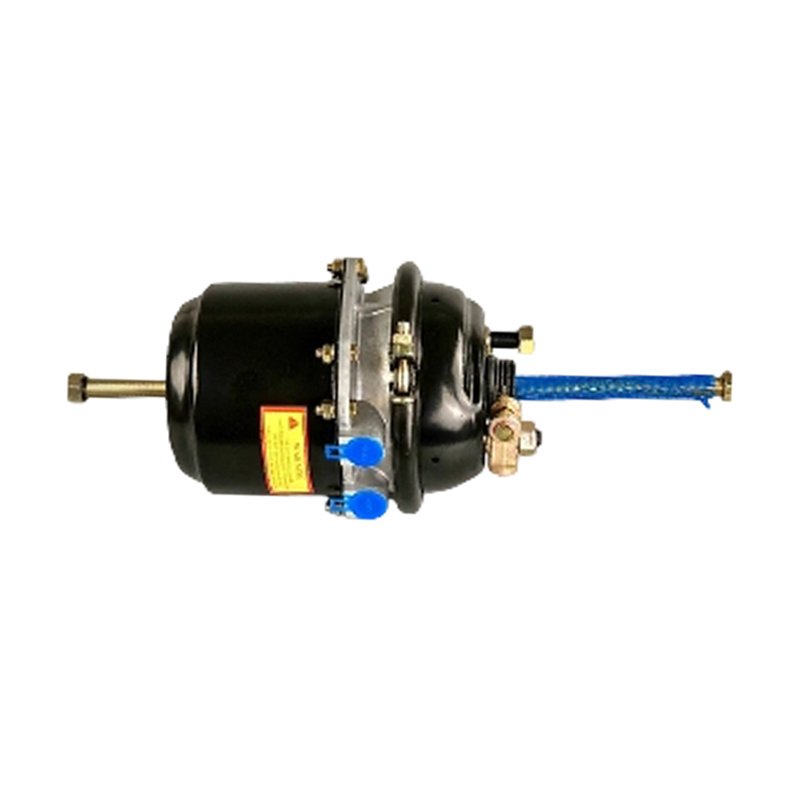
Spring Brake Chambers – Robust design for heavy-duty applications.
At Zhejiang Gongzheng Machinery, we prioritize customer satisfaction, technological advancement, and sustainable growth. Partner with us for trusted braking solutions that drive excellence.

Safety. Reliability. Innovation.
  • 0m2
    Factory Area
  • 0+
    Founded In
  • 0+
    Number of Employees
  • 0+
    Customer Service
Working Principle

How an Air Suspension Levelling Valve Works

The valve turns axle-to-chassis distance into air flow. Five stages describe how it holds ride height.

Load Added

As cargo is loaded, the air springs compress and the chassis sinks toward the axle. The linkage rod rotates the valve lever in the downward direction.

Delay Elapses

The valve does not respond instantly. A time delay stage waits for several seconds to confirm that the change is due to load and not to a bump in the road.

Air Admitted

The rotary element then opens the supply port to the bellows port. Compressed air flows into the air springs and lifts the chassis back toward the ride height.

Neutral Zone

When the lever returns to the neutral zone, the valve closes both the supply and the exhaust paths. The bellows pressure is trapped and the height is held.

Load Removed

If the load is taken off, the chassis rises and the lever moves the other way. After the delay, the valve opens the bellows to the exhaust port and releases air until the height returns to neutral.

What Happens When the Levelling Valve Stops Working

  • A vehicle that sits too low causes the axle to run close to its bump stop and increases ride harshness and wear.
  • A vehicle that sits too high loads the shock absorbers and drives the suspension against the rebound stop.
  • A worn seat or misadjusted lever makes the valve leak continuously, forcing the compressor to work harder.
  • One side higher than the other on a two-point system upsets roll stability and can affect braking balance.
  • Excess time delay or a sticking valve allows the chassis to hunt up and down and can damage the linkage.
Product Features

Built for Steady Ride Height on Every Journey

The valve operates every time the vehicle moves, so accurate levelling and long seal life are essential.

Precise Neutral Zone

A narrow neutral zone holds ride height accurately without hunting, reducing air consumption and suspension movement.

Built-In Time Delay

An integrated damping stage filters out road movement so the valve responds only to genuine load changes.

Rotary Seal Design

A precision rotary element seals well across a wide range of lever angles and resists wear from continuous small movements.

Lift and Lower Options

Selected models add a manual or electrically controlled lift-and-lower function for loading docks and kerb clearance.

Adjustable Lever Linkage

A variety of lever lengths and linkage rod kits fit common trailer, truck and bus axle layouts.

Corrosion-Resistant Body

Aluminium and treated steel components stand up to road salt, mud and constant vibration.

Selection Guide

How to Choose the Right Levelling Valve

Five points decide whether the valve fits the axle geometry and holds the ride height correctly.

  • 01

    Identify the system type

    Determine whether the vehicle uses one valve or two valves per axle. Using a single-point valve on a two-point system upsets levelling across the width.

  • 02

    Check the lever length and angle

    Measure the lever and the vertical distance from the valve to the axle bracket. A different lever length changes the working angle and the ride height.

  • 03

    Match the ports

    Supply, bellows and exhaust ports are normally marked. Confirm the thread size, usually M16 × 1.5 or M22 × 1.5, and check that the flow capacity suits the air spring volume.

  • 04

    Choose the time delay

    A longer delay saves air but responds slowly to loading. A shorter delay suits vehicles that change load often, such as buses at stops.

  • 05

    Confirm the lift-and-lower requirement

    If the vehicle lowers for dock loading or raises for a ramp, the valve must include the matching selector. Fit the correct control lever or solenoid interface.

Table 2 — Vehicle type and recommended levelling valve setup.

Vehicle TypeRecommended SetupNote
Semi-trailer with one axle groupSingle-point, standard delayOne valve at the centre of the axle
Rigid truck rear axleTwo-point, standard delayLeft and right valves keep the chassis level
City busTwo-point, short delayAdd kneeling function if needed
CoachTwo-point, medium delayLift function for luggage bay optional
Heavy multi-axle trailerHigh-flow valveLarger bellows volume needs higher flow

These setups are a guide only. Always check them against the suspension diagram for the vehicle.

Applications

Where These Levelling Valves Are Fitted

Any vehicle with an air-sprung axle uses a levelling valve. The vehicle types below make up most of our shipments.

Semi-Trailers

Curtainsiders, box trailers, tankers and container chassis rely on one or two valves to keep the trailer level at the fifth wheel.

Tractor Rear Axles

Two-point levelling keeps the tractor chassis level under different fifth wheel loads.

Rigid Trucks

Distribution trucks with rear air suspension use levelling valves to hold a constant dock height.

City Buses

Frequent load changes at bus stops make the valve time delay and kneeling function especially important.

Coaches

Ride height affects headlamp aim, luggage bay clearance and ride comfort for passengers.

Refrigerated Trailers

Consistent ride height keeps the load stable and helps with loading dock alignment.

Car Transporters

Long overhangs and asymmetric loads place high demand on two-point levelling.

Retrofit Conversions

Steel-to-air suspension conversions need the valve, linkage and mounting bracket to match the axle.

Installation

Installation Notes for Workshops

Levelling valve accuracy depends on linkage geometry as much as the valve itself. The steps below prevent the most common set-up errors.

Set the Vehicle at Ride Height

Park on level ground, load or ballast the vehicle to a normal condition and inflate the air springs to the specified ride height before adjusting the valve.

Check the Linkage Rod

Inspect the rod, ball joints and rubber bushings. A worn bushing lets the lever move without the axle moving and creates false movement.

Mount the Valve Vertically

Secure the valve to the chassis bracket in the orientation shown by the arrow or marking. A tilted body changes the neutral zone.

Set the Lever to Neutral

With the vehicle at ride height, set the lever to the neutral position and tighten the rod length so the lever stays in that position.

Connect and Check the Lines

Attach the supply, bellows and exhaust lines to the correct ports and check them for leaks. Keep the exhaust clear of mud and ice.

Cycle Load and Height

Load and unload the vehicle or lift the axle by hand and check that the valve raises and lowers ride height without hunting. Recheck neutral after a short drive.

Quality
Components
Service Life
Professionalism
Delivery
Customization
Inventory
Why Gongzheng Only

By cooperating with us, you can obtain

Your Single Source for Braking Performance and Safety.

The ISO quality management system covers every process. We have obtained certifications such as Germany's TUA, ensuring that both original equipment and after-sales products meet the strict quality standards of commercial vehicle manufacturers.

Quality

Over 70% of the components for our products are manufactured in-house, which guarantees product quality.

Components

High-quality raw materials, precise calculation, professional design, and strict production testing ensure that all products manufactured by Gongzheng Jinggong are durable.

Service Life

We have long provided direct supporting services for large enterprises. Our long-term close cooperation with commercial vehicle brands and manufacturers in R&D and testing has made us more professional and experienced.

Professionalism

Automated production and accurate, fast logistics services are sufficient to meet customer requirements.

Delivery

We have an independent R&D team. In addition to standard parts, we also offer customization services to meet customers' special needs.

Customization

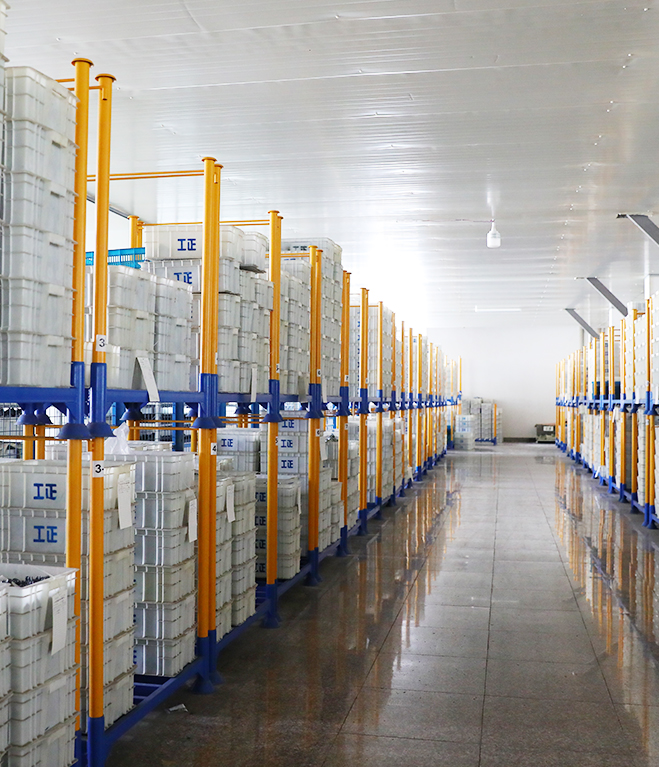
We maintain a standing inventory of over 200,000 units, enabling us to handle large-volume orders and urgent orders.

Inventory
Maintenance

Ride Height Service and Linkage Parts

Levelling valves last a long time when the linkage is kept in good condition. A simple schedule prevents most faults.

Table 3 — Recommended inspection and replacement schedule for air suspension levelling valves.

ItemIntervalWhat to Check
Ride height checkEvery 6 monthsMeasure ride height on level ground and compare with the specification.
Linkage rod and bushingsEvery 6 monthsCheck for wear, play and cracking. Replace rubber bushings that are hardened or torn.
Lever and mountingEvery 12 monthsLook for bent levers and loose mounting bolts, especially on vehicles used in rough conditions.
Exhaust portEvery serviceListen for constant leakage, which means a worn seat or a misadjusted lever.
Air lines and fittingsEvery 12 monthsCheck for chafing, leakage and corrosion at the bellows and supply lines.
Rotary seal and valve kitEvery 3 years or 400,000 kmReplace the seal kit before leakage begins to affect ride height.
Time delay functionEvery 12 monthsObserve response time when loading; it should be slow enough to ignore bumps but not sluggish.

We supply seal kits, linkage rods, bushings, levers and complete replacement valves for every model listed on this page.

Diagnostics

Levelling Valve Troubleshooting Guide

Work from the symptom to the cause before replacing the valve. Many ride height complaints trace back to the linkage or a leaking bellows.

Table 4 — Common levelling valve symptoms, causes and corrective actions.

SymptomLikely CauseRecommended Action
Vehicle sits too lowSupply blocked, worn rotary seat, lever set below neutral or a leaking bellows.Check supply pressure and lines, reset the lever, and replace the valve if it does not feed air.
Vehicle sits too highExhaust blocked, lever set above neutral or valve stuck in the fill position.Clear the exhaust, reset the lever and replace the valve if it does not release air.
Constant hiss from the exhaustWorn seat or a lever that sits outside the neutral zone.Reset the neutral position; replace the seal kit or valve if the leak continues.
One side lower than the otherTwo-point valves out of balance or a leak in one bellows.Reset both levers equally and test each bellows for leaks.
Ride is bouncy and the valve huntsTime delay too short, worn linkage or loose lever.Replace the bushings and consider a valve with a longer time delay.
Vehicle rises slowly after loadingRestricted supply line or a valve with too low a flow capacity.Check the supply line and consider a high-flow valve.
Lift-and-lower function does not workSelector stuck, solenoid fault or blocked control line.Test the control lever or solenoid and check the lines.
Linkage rod breaks repeatedlyIncorrect rod length, worn bushings or axle travel exceeding lever range.Set the correct length and check the lever angle at full extension.

If the symptom continues after valve replacement, the fault is usually in the bellows, the linkage or the supply circuit upstream. Send us the ride height figures and a photo of the linkage, and our technicians will help you pinpoint the problem.

Terminology

Levelling Valve Glossary

Plain-language definitions of the terms you will see on suspension diagrams, workshop manuals and part listings.

Levelling Valve
The valve that adds or removes air from the air springs to keep a constant ride height.
Height Control Valve
Another name for a levelling valve.
Air Spring (Bellows)
A rubber and metal air-filled cushion that carries the load in an air suspension.
Ride Height
The specified distance between chassis and axle at which the vehicle is properly aligned and level.
Neutral Zone
The small lever movement in which the valve neither fills nor exhausts, holding pressure steady.
Linkage Rod
The vertical rod connecting the valve lever to the axle bracket.
Time Delay
A damping function that stops the valve reacting to short road movements.
Supply Port
The port that receives compressed air from the reservoir.
Bellows Port
The port that connects to the air springs.
Exhaust Port
The port through which air is released when the chassis rises.
Lift and Lower Function
An override that changes the ride height for dock loading or ramp clearance.
Two-Point Levelling
A layout with one valve on each side of the axle, giving roll stability.
Questions

Frequently Asked Questions

Twelve questions our distributors, workshops and fleet buyers ask most often about air suspension levelling control valves.

It holds the vehicle at the correct ride height by adding air to the air springs when the load rises and releasing air when the load is removed. It does this automatically and continuously.

Without a delay, the valve would react to every bump in the road, wasting air and making the ride unstable. The delay makes the valve respond only to sustained height changes caused by load.

A single-point layout uses one valve at the centre of the axle. A two-point layout uses one valve on each side so that the chassis is levelled across its width as well as along its length.

Park the vehicle on level ground, bring the air springs to the specified height, set the lever to the neutral position and adjust the linkage rod so that the lever stays in that position. Check again after a short drive.

A constant hiss usually means a worn seat or a lever that sits outside the neutral zone. Reset the neutral position first. If the leak remains, replace the seal kit or the valve.

Not without care. A different lever length changes the working angle, ride height and response. Use the lever specified for the vehicle or contact us with the dimensions so we can recommend a suitable valve.

Yes. Manual and electrically controlled lift-and-lower models are available. Please tell us how the control is operated and send a photo of the selector or connector.

Yes. Measure the lever length and the distance to the axle bracket, note the ports and send a photo of the valve in position. We will confirm the model and the time delay and reply within two working days.

Very often yes. Worn bushings and bent rods cause the same symptoms as a failed valve and will damage a new valve quickly. Fit new bushings at least, and replace the rod if it shows any bending or wear.

Yes. Seal kits, linkage rods, bushings and levers are available for the models listed on this page. Give us the valve number and we will add the linkage and seal part numbers to your quotation.

Stocked valves and linkage kits can be ordered in small quantities, and they normally ship within 3 to 7 working days after payment. Special lever lengths or time delays are made to order, and we confirm the date on the proforma invoice.

Yes. We can produce valves with alternative lever lengths, port threads and time delays to your drawing, and supply them in neutral cartons or under your own brand.

Need the right levelling valve for your axle?

Send us the OEM part number, the axle make or a photo of the valve and linkage. We will confirm the correct model, lever length and time delay within 48 hours.