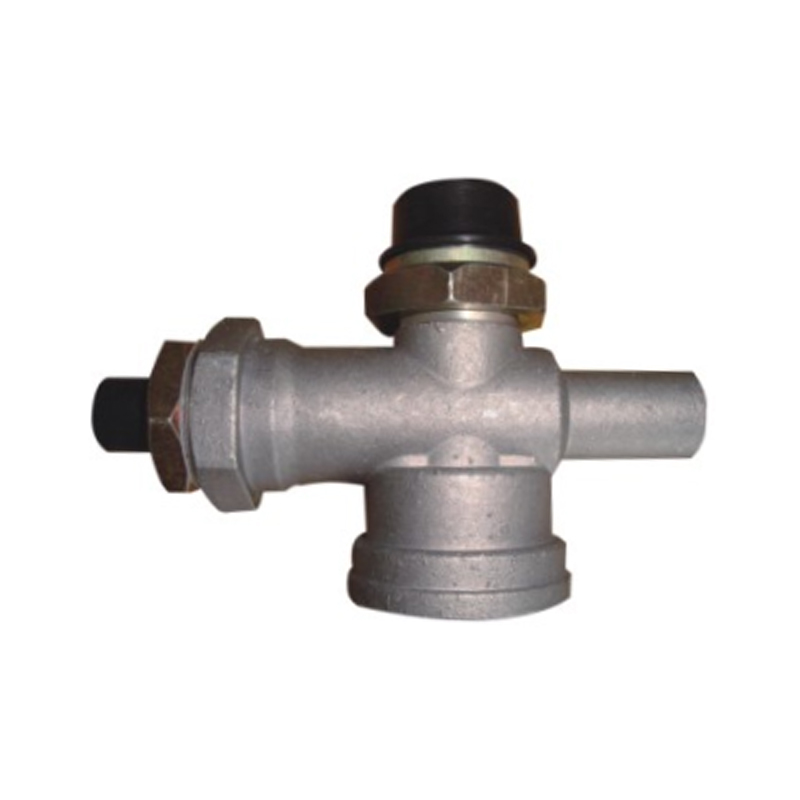
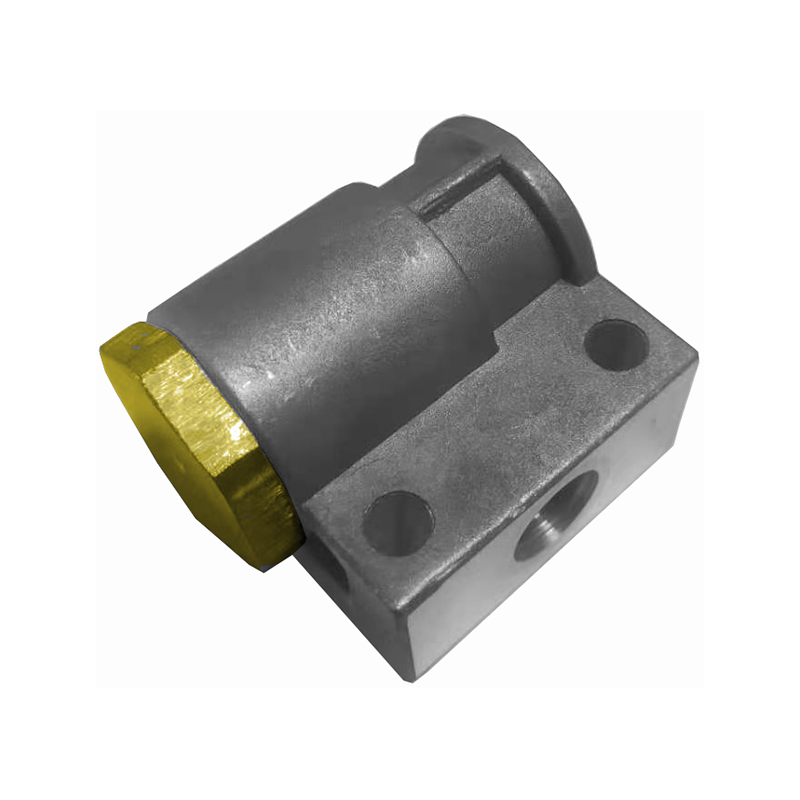
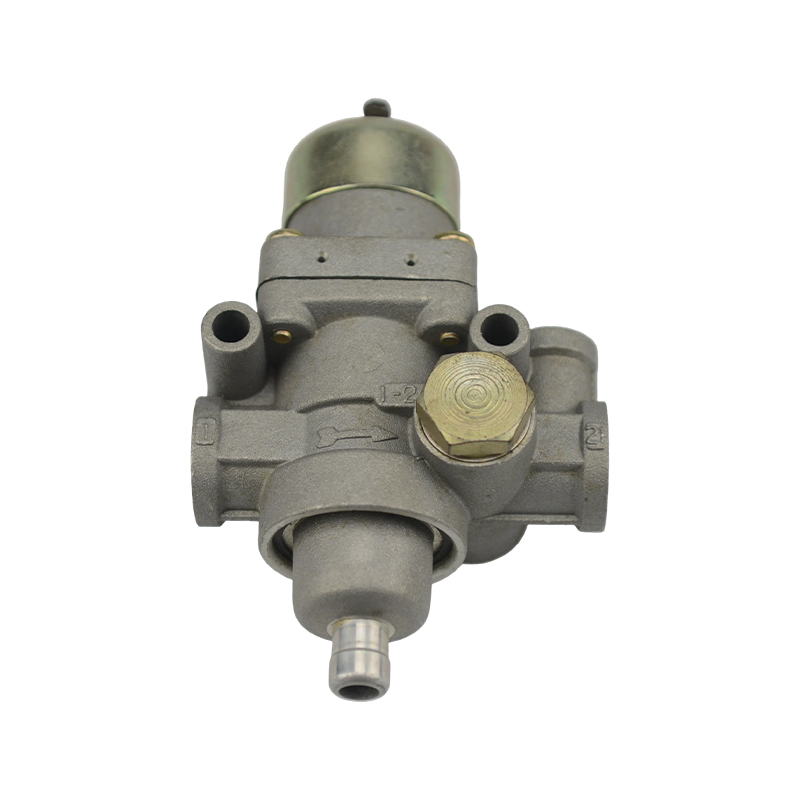
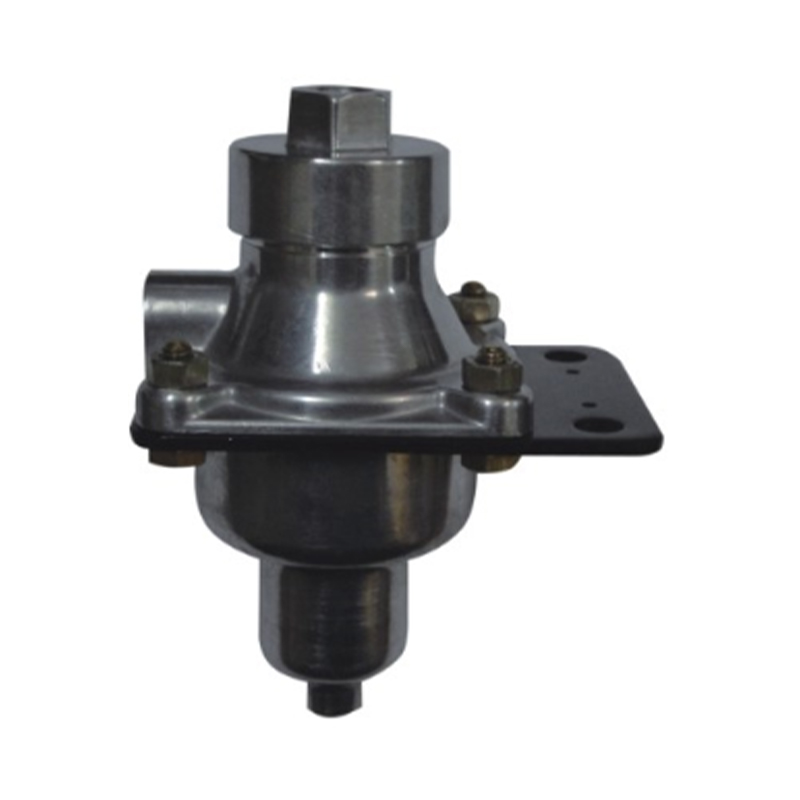
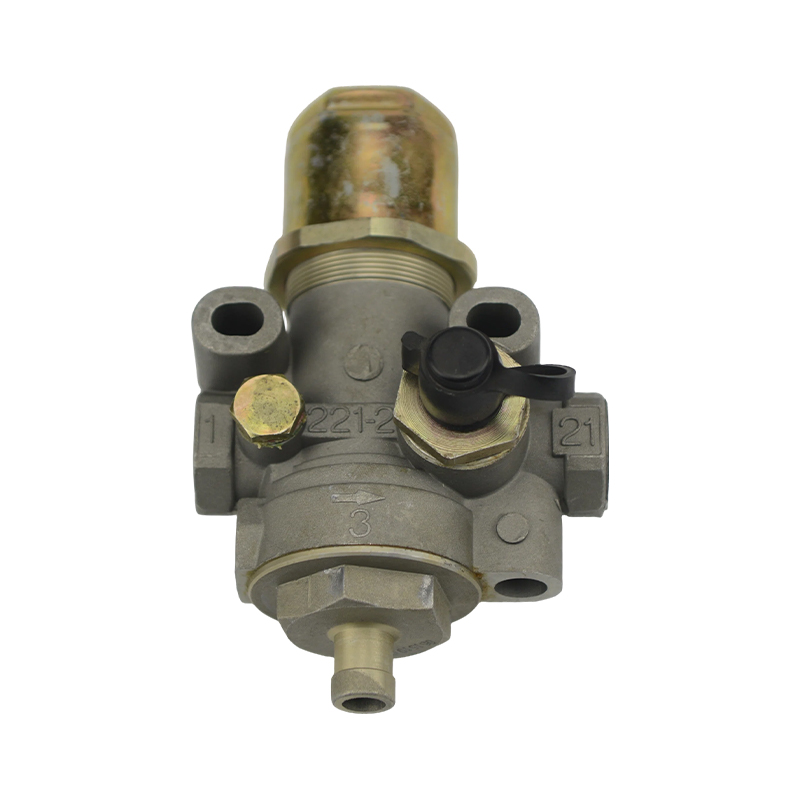
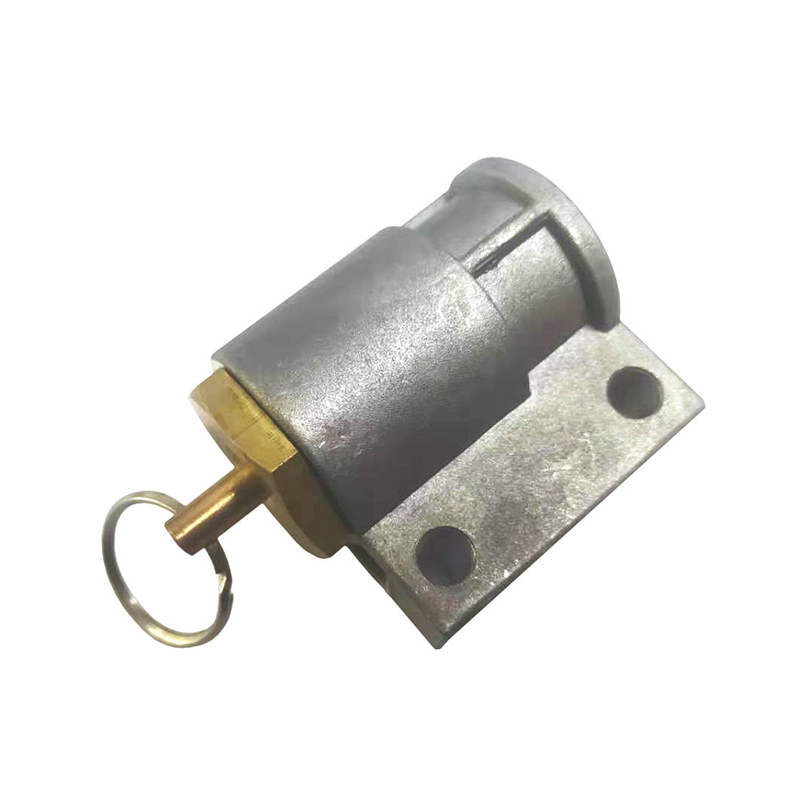
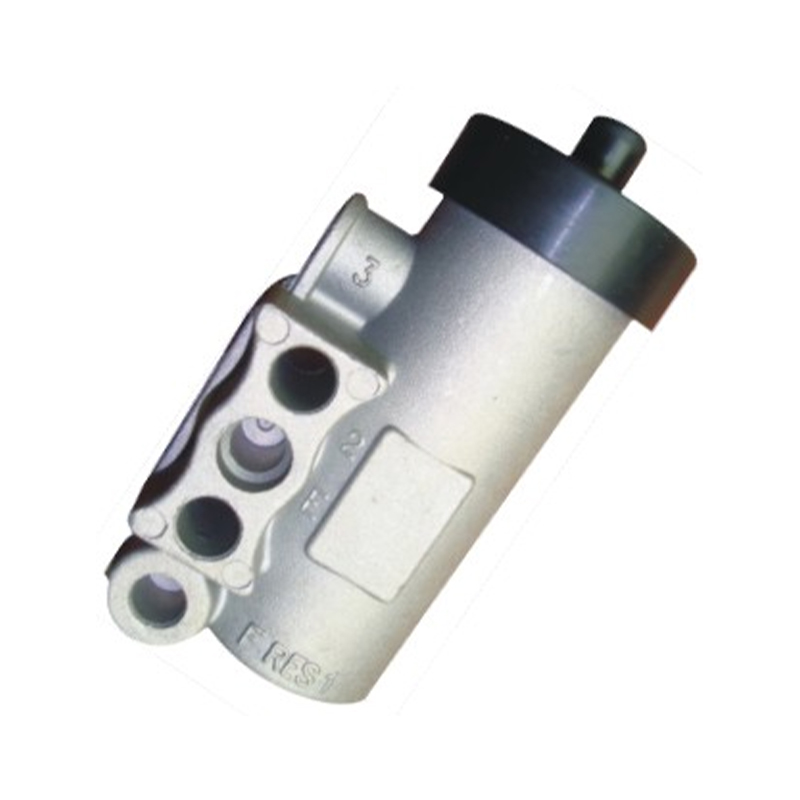
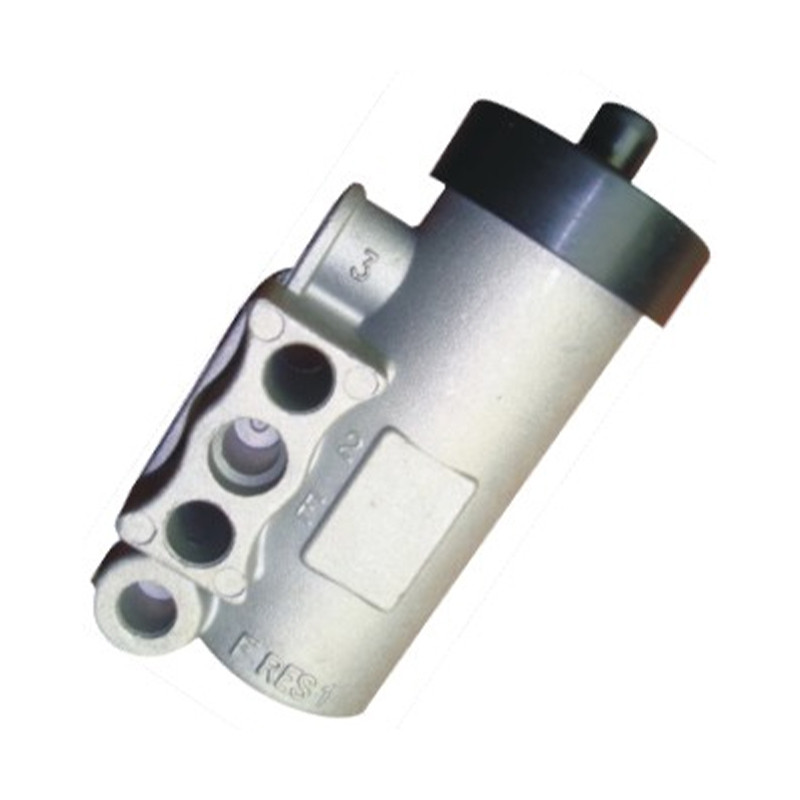
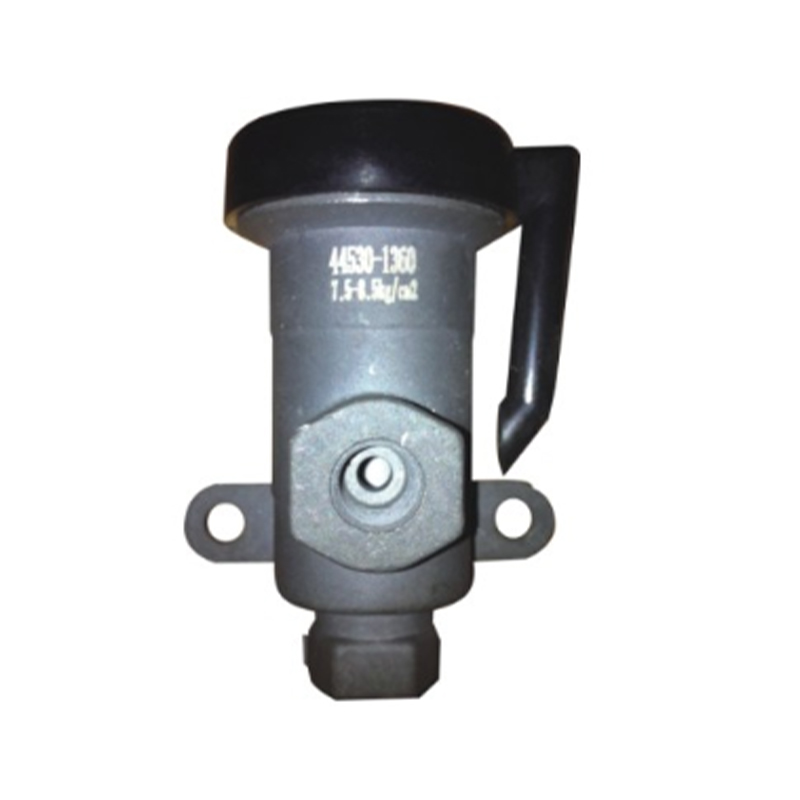
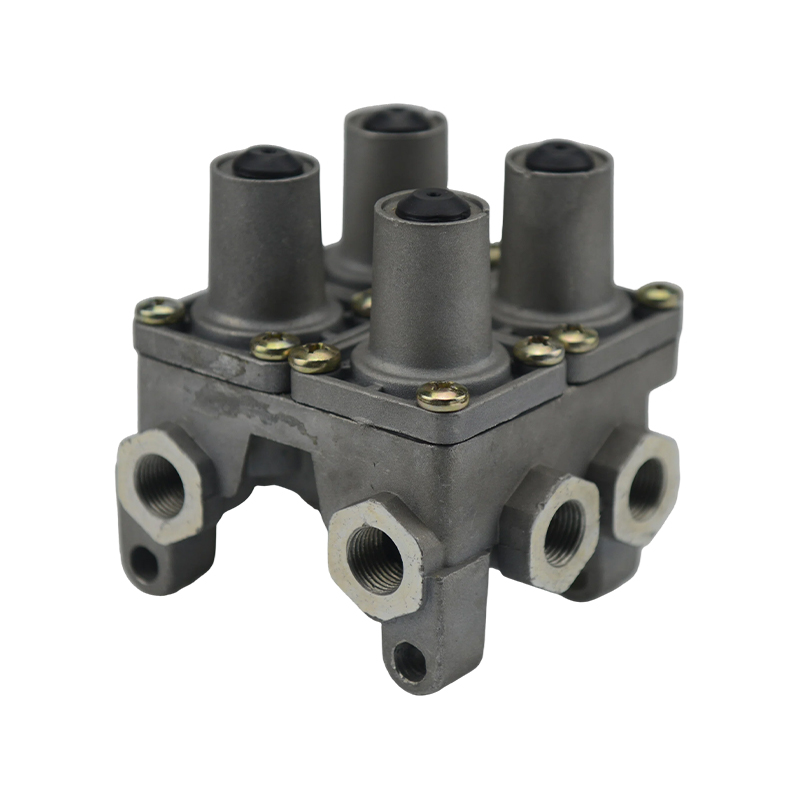
An automatic condenser drain valve unit is a self-cycling valve fitted to the lowest point of a truck's air reservoir, sometimes called a condensate tank or wet tank, that periodically opens to expel the water, oil and sludge that collect at the bottom of the tank, without needing the driver to operate a manual drain cock. It uses a timer, a pressure differential mechanism, or both, to open briefly at set intervals and reseal automatically once the tank has vented the accumulated liquid.
Even with a well-functioning air dryer upstream, some moisture always finds its way into a truck's air tanks, and it settles at the lowest point along with oil carried over from the compressor. If left to accumulate, this liquid corrodes the tank from the inside, freezes and blocks lines in cold weather, and can be drawn into downstream valves where it accelerates wear. Manual drain cocks rely on the driver remembering to operate them regularly, which in practice happens inconsistently. An automatic condenser drain valve removes that dependency by draining the tank on its own schedule.
Timer-Based Operation
The most common design uses a small electronic or pneumatic timer that opens the drain valve for a brief period at a set interval, commonly every few minutes while the vehicle's electrical system is live, then closes again automatically. The open time is short enough that very little compressed air is wasted, but long enough to expel any accumulated liquid sitting at the bottom of the tank.
Pressure-Differential and Combined Designs
Some units combine the timer function with a pressure sensor that avoids draining, or shortens the drain interval, based on tank pressure or system activity, reducing unnecessary air loss when the vehicle is parked with the engine off. Others use a purely mechanical, pressure-differential mechanism that drains when pressure rises past a set point after a period below it, mimicking the effect of the engine starting and building pressure after a period of rest.
Heater Options for Cold Climates
In freezing conditions, a plain drain valve can itself freeze shut with water at its outlet, defeating its purpose exactly when it is needed most. Heated versions include a small electric heating element around the valve body and outlet, powered from the vehicle's electrical system, to keep the mechanism and immediate outlet area from icing over during cold weather operation.
Retrofit Versus Original Equipment
Automatic condenser drain valves are fitted as original equipment on many modern trucks, replacing the simple manual drain cock entirely. They are also a common retrofit on older vehicles, particularly fleets operating in cold climates or those that have had a history of tank corrosion from inconsistent manual draining, since replacing a manual cock with an automatic unit is usually a straightforward like-for-like port fitting.
Signs of a Failing Unit
A unit that no longer cycles leaves the tank to accumulate moisture just as an unused manual drain would, often going unnoticed until corrosion or a frozen line causes a separate problem. A unit stuck open wastes compressed air continuously, causing the compressor to run more than expected and, on some designs, an audible cycling noise. A heater that has failed on a heated version removes the winter protection the unit was chosen for in the first place.
Matching a Replacement Unit
Match the port thread for the tank connection, the timer interval and open duration if these are adjustable, whether a heater is required and its voltage, and the physical envelope for fitting into the available space beneath the tank.
- Fit point: lowest point of the air reservoir
- Function: automatically expels water, oil and sludge
- Control types: timer, pressure differential, or combined
- Cold climate option: electrically heated valve body
- Reduces reliance on manual drain cocks
- Service parts: timer module, seal kit, heater element