GongzhengGongzhengGongzhengGongzheng GongzhengGongzhengGongzhengGongzheng GongzhengGongzhengGongzhengGongzheng GongzhengGongzhengGongzhengGongzheng

Commercial Vehicle Pressure Limiting Valves Wholesale

Pressure Control Components

Commercial Vehicle Pressure Limiting Valves

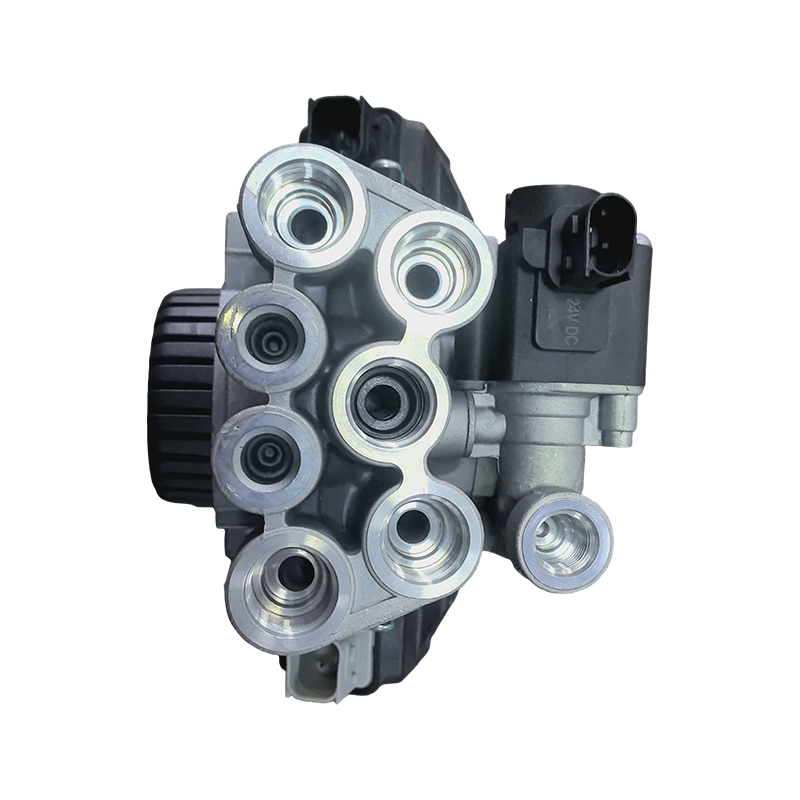
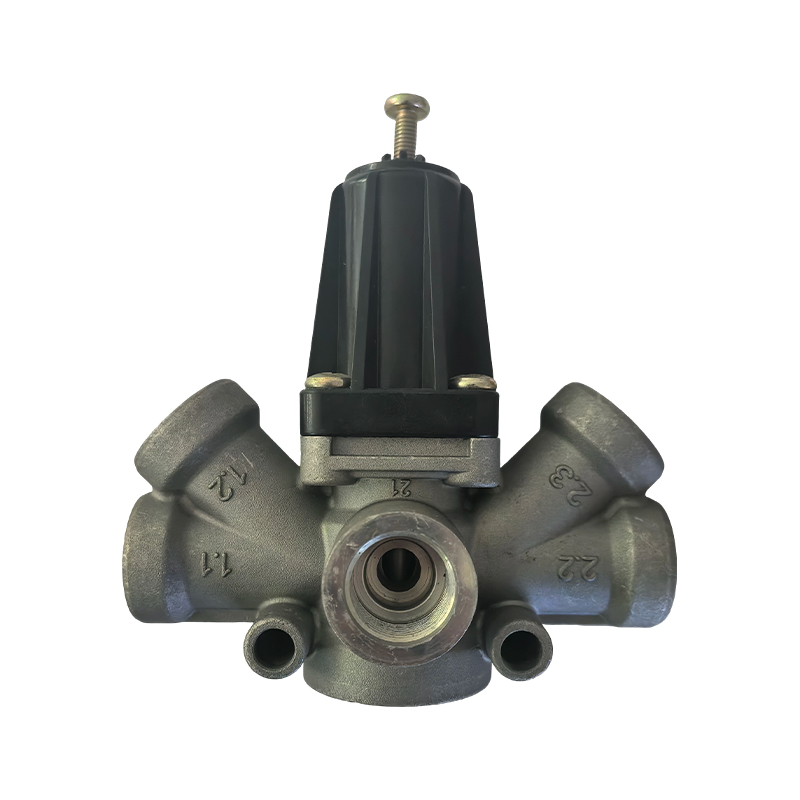
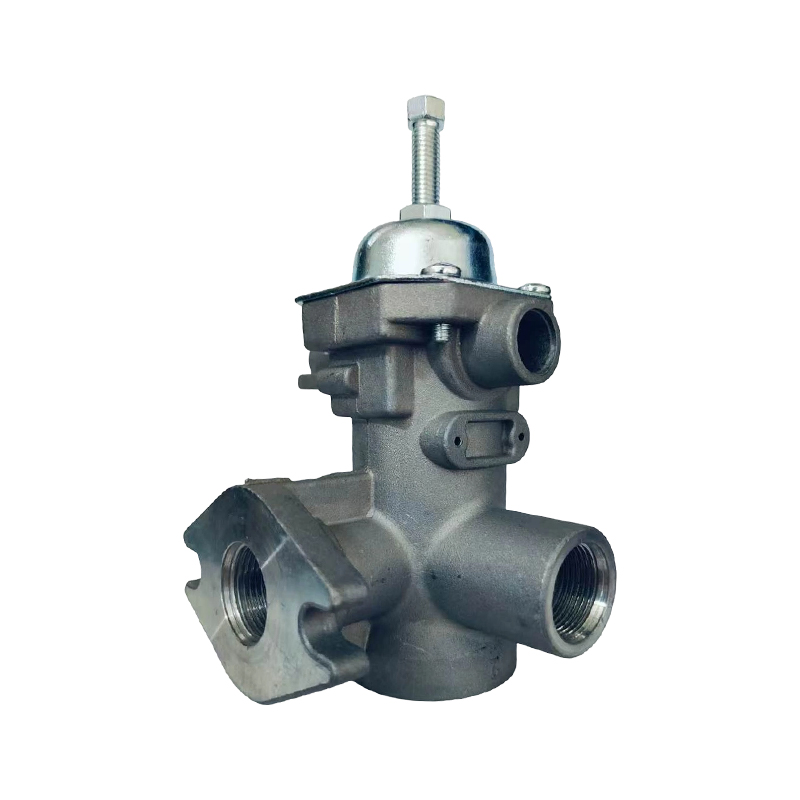
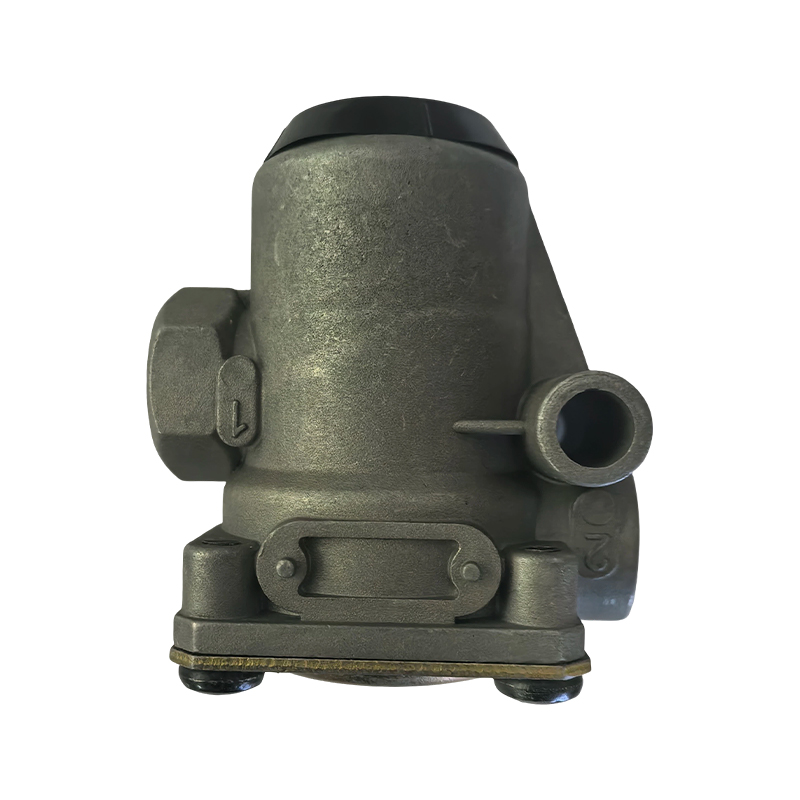
Fixed and adjustable pressure limiting valves for truck, bus and trailer air systems. They protect brake circuits, suspension, doors and actuators from over-pressure while keeping the rest of the system at full supply.

  • Fixed sealed and screw-adjustable versions
  • Set pressures from 1.0 to 8.5 bar
  • Integral relief exhaust on most models
± 0.2 barSet pressure tolerance
1.0 – 8.5 barAvailable set pressure range
100%Set pressure verified on the test bench
48 HSet pressure reply within two working days
Product Overview

What Is a Commercial Vehicle Pressure Limiting Valve?

Definition

A commercial vehicle pressure limiting valve is a diaphragm-controlled pneumatic valve that caps the pressure delivered to a downstream circuit at a fixed or adjustable set value. It accepts the full system pressure at its inlet, passes air to the outlet only until the set pressure is reached, and holds the outlet at that level even while the supply stays much higher. Many designs also vent any excess if outlet pressure rises above the setting.

A truck air system typically stores air at 8 to 12.5 bar, but not every component is designed to receive that pressure. Brake chambers on a lightly loaded front axle, suspension bellows, door cylinders, clutch boosters and gearbox actuators all work correctly only within a narrower band. If the full system pressure reaches them, the result can be over-braking, premature seal wear, jerky operation or a damaged component. The pressure limiting valve is the simple part that stands between the reservoir and those sensitive consumers.

Limiting, Regulating and Relieving: Three Different Jobs

The three terms are often used loosely, so it helps to separate them. A pressure limiting valve caps the pressure at its outlet at a set value below supply. A pressure regulator or governor controls when a source such as a compressor delivers air. A safety or relief valve only opens to protect a system from over-pressure and does not control the pressure downstream in normal use. A limiting valve sits in the flow path and works continuously, while a relief valve stays closed until something goes wrong.

How the Set Pressure Is Held

Inside the housing a diaphragm or piston senses outlet pressure on one side and is loaded by a calibrated spring on the other. Air passes the inlet seat while outlet pressure is below the setting. As outlet pressure approaches the spring load, the diaphragm rises and closes the inlet seat, trapping the set pressure downstream. If downstream pressure creeps higher, for example through heat expansion of trapped air, the diaphragm lifts further off an exhaust seat and vents the excess through the exhaust port until balance is restored.

Front Axle Brake Force Limiting

One of the best-known uses on commercial vehicles is limiting the pressure in the front axle service brake circuit. Some chassis have front brakes that are large relative to the axle load when the vehicle is empty, and full pressure would lock the front wheels earlier than the rears. A pressure limiting valve in the front circuit reduces front brake force so braking stays balanced across the axles.

Fixed and Adjustable Versions

Fixed valves are set at the factory and sealed, so the specified pressure cannot be changed accidentally. Adjustable valves use a screw and lock nut so a workshop can set the outlet pressure on the vehicle, which is useful for accessory circuits and retrofit applications. Both types should hold the set pressure within a small tolerance, typically around 0.2 bar, across the normal range of inlet pressures and flow rates.

What Goes Wrong When the Valve Ages

A worn diaphragm or a contaminated seat lets the set pressure drift upward. The driver may notice that suspension rides too high, front brakes grab or accessories operate too sharply. A valve that sticks closed does the opposite, starving the downstream circuit, while a leaking exhaust seat produces a constant hiss near the valve. Moisture and oil carry-over from the compressor are the most common causes of these failures.

Matching the Valve to the Circuit It Protects

Match the required outlet pressure, whether the valve is fixed or adjustable, the port threads and the inlet and outlet direction. Confirm whether a relief function is needed and whether the flow capacity is sufficient for the circuit. A valve that is correct for pressure but too small for the flow will make the circuit respond slowly.

  • Fit point: between reservoir and the downstream circuit
  • Function: caps outlet pressure at a set value
  • Sensing element: diaphragm and calibrated spring
  • Set types: fixed sealed or screw adjustable
  • Set tolerance: about ± 0.2 bar
  • Service parts: diaphragm kit, seals, strainer

Technical Data

Pressure Limiting Valve Model Range

Standard configurations below. Custom set pressures, port threads and mounting formats can be produced to your drawing.

Table 1 — Genuine gzbrake.com Ref NO. and OE cross-reference data for representative European Pressure Limiting Valve products.

Ref NO.Product NameApplicationTechnical SpecificationOE / Cross-Reference (Sample)Cross-Ref. CountProduct Line
4750104000Industrial-Grade High-Response Pressure Limiting ValveDAF, MANPorts: M 22x1.5VOSSDelivered pressure: 8.0+0.2 barDAF:1305138,1506193 / MAN:81521016286,ZG0462300022European Pressure Limiting Valve
MC802149Specialized Pressure Limiting Valve for Japanese Medium TrucksFUSOPorts: M20x1.5Opening Prsssure: 6.6barClose Prsssure: 5.9barFUSO:MC8021491European Pressure Limiting Valve
4341000830High-Performance Dual-Channel Pressure Limiting ValveRENAULTPort:M22*1.5Max. operating pressure: 10 barRENAULT:0001971568,50100396841European Pressure Limiting Valve
4346121000/434612004014.5 Bar Enhanced Safety ValveSCANIAThread: M22x1.5Setting Pressure: 14.5 BarEuropean Pressure Limiting Valve
AC157C (+2)Universal Pneumatic Pressure Limiting ValveRENAULT, MERCEDES, RENALTPorts: M 22x1.5Delivered pressure: 8.0 bar Ports: M 22x1.5Delivered pressure: 7.5 bar P...RENAULT:5010260893,5006143814 / MERCEDES:11421276850 +1 more3European Pressure Limiting Valve
4750100010 (+4)Universal Pressure Limiting Valve (5.3 Bar)DAF, IVECO, MAN, MERCEDES +5 morePorts: M 22x1.5Delivered pressure: 5.3+0.3 bar Ports: M 22x1.5Delivered pressure: 8.0-0...DAF:0106703,104249,167846,638057,638058,641127,641128,646904,664735,692047,703271 / IVECO:02...21European Pressure Limiting Valve
4750150010 (+8)Reinforced Multi-Channel Pressure Limiting ValveDAF, MAN, MERCEDES, VW +3 morePorts: M 16x1.5Delivered pressure: 7.4+0.2 bar Ports: M 16x1.5Delivered pressure: 3.5+0...DAF:1505094 / MAN:81521016150,81521016161,81521016189,81521019150,81521616201,81521616288 +1...21European Pressure Limiting Valve
0481009023 (+8)Heavy-Duty Vehicle Relief Pressure Limiting ValveDAF, MAN, IVECO, VOLVO +2 morePorts: M 22x1.5Delivered pressure: 8.1 bar Ports: M 22x1.5Delivered pressure: 5.9 bar P...DAF:0288249 / MAN:81521016102 +15 more18European Pressure Limiting Valve

Ref NO. and cross-reference numbers above are drawn directly from our European Pressure Limiting Valve product range on gzbrake.com. Cross-reference lists are sampled for space; contact us with your vehicle's OE number or chassis details for the complete, current cross-reference list and stock availability.

Common Application Coverage

Front Axle Brake CircuitRear Axle Service CircuitCab Air SuspensionAir Seat SystemBus Door SystemKneeling FunctionGearbox Shift ActuatorClutch Booster FeedExhaust Brake CylinderEngine Brake FeedLift Axle BellowsTrailer Suspension CircuitTail Lift Air SupplyPTO Engagement CircuitDiff Lock FeedAir Horn SupplyFifth Wheel Slide CylinderTipper Body Control
About Us
Zhejiang Gongzheng Machinery Co., Ltd.
Zhejiang Gongzheng Machinery Co., Ltd. is professional China Commercial Vehicle Pressure Limiting Valves Manufacturers and Wholesale Commercial Vehicle Pressure Limiting Valves Factory. Our core products include ABS (Anti-lock Braking System) and EBS (Electronic Braking System) control units, air dryers, air brake valves, and spring brake chambers, designed to meet the rigorous demands of the global commercial vehicle industry.

With advanced production technology, strict quality control, and a commitment to innovation, we provide reliable and efficient solutions for truck and trailer manufacturers worldwide. Our products comply with international standards, ensuring safety, durability, and superior performance in diverse operating conditions.

Key Products:
ABS & EBS Control Systems – Enhancing vehicle safety and stability.
Air Dryers – Ensuring clean, moisture-free air for braking systems.
Air Brake Valves – Precision-engineered for optimal braking performance.
Spring Brake Chambers – Robust design for heavy-duty applications.
At Zhejiang Gongzheng Machinery, we prioritize customer satisfaction, technological advancement, and sustainable growth. Partner with us for trusted braking solutions that drive excellence.

Safety. Reliability. Innovation.
  • 0m2
    Factory Area
  • 0+
    Founded In
  • 0+
    Number of Employees
  • 0+
    Customer Service
Working Principle

How a Pressure Limiting Valve Holds the Set Pressure

The valve balances spring force against outlet pressure. Five stages describe how it behaves from first charge to steady state.

Inlet Pressure Applied

System air enters the inlet port at full reservoir pressure. The inlet seat is open at this point because the outlet is empty and the spring holds the diaphragm down.

Outlet Fills

Air passes the open seat and fills the downstream circuit. Outlet pressure acts on the underside of the diaphragm and begins to oppose the spring.

Set Pressure Reached

When outlet pressure equals the spring setting, the diaphragm lifts and the inlet seat closes. The downstream circuit is now held at the set value.

Steady Holding

As the downstream consumer uses a little air, pressure dips, the seat reopens briefly and tops it up. The valve modulates constantly to keep the outlet level.

Excess Relief

If outlet pressure rises above the set value, for instance from heat, the diaphragm lifts off the exhaust seat and vents the excess until balance returns.

What Happens When the Limiting Valve Stops Working

  • A valve stuck open passes full system pressure downstream, over-braking the front axle or over-inflating suspension bellows.
  • A valve stuck closed starves the downstream circuit, so doors, actuators or brakes respond slowly or not at all.
  • A drifting spring or worn diaphragm raises the set pressure and changes vehicle behaviour without any warning light.
  • A leaking exhaust seat produces a continuous hiss and makes the compressor cycle more often.
  • Contamination in the inlet screen restricts flow, causing slow response even when the set pressure is correct.
Product Features

Built to Hold a Steady Set Pressure

Accuracy and repeatability matter more than raw size in a limiting valve. Each unit is calibrated and bench-tested before it ships.

Diaphragm-Sensed Control

A reinforced diaphragm senses outlet pressure directly, which gives smoother regulation than a simple ball or poppet design.

Fixed and Adjustable Options

Sealed fixed valves prevent tampering, while screw-adjustable models let workshops set the pressure on the vehicle.

Integral Relief Exhaust

Excess downstream pressure vents through the exhaust port, so thermal expansion cannot push the outlet above its setting.

Inlet Strainer

A fine screen at the inlet catches particles that would otherwise score the seat and cause drift or leakage.

Compact Bodies

Small aluminium and brass bodies fit into tight chassis, cab and door mechanisms without extra brackets.

Wide Set Pressure Coverage

Standard set points from 1.0 to 8.5 bar let one supplier cover brakes, suspension, doors and gearbox circuits.

Selection Guide

How to Choose the Right Pressure Limiting Valve

Five checks decide whether the valve holds the right pressure, at the right flow, in the right place.

  • 01

    Define the required outlet pressure

    Read the target pressure from the workshop manual or the component data plate. Set pressure is the single most important number, and a small error changes how the circuit behaves.

  • 02

    Choose fixed or adjustable

    Use a fixed sealed valve for safety-related circuits such as front axle brakes. Choose an adjustable valve for accessory circuits where the pressure needs tuning on the vehicle.

  • 03

    Check the flow demand

    A limiting valve that is too small slows the circuit. Doors, lift axles and large suspension bellows need higher flow than a small actuator, so match the port size to the consumer volume.

  • 04

    Match the thread and direction

    Ports are usually M16 × 1.5 or M22 × 1.5 and are marked for inlet and outlet. Installing the valve backwards will cause it to malfunction, so confirm port marking before fitting.

  • 05

    Decide on relief function

    Where the downstream circuit can trap air and heat it, choose a valve with an exhaust relief. For a circuit that must remain sealed, a non-relieving valve may be required.

Table 2 — Typical circuits and the pressure levels they are usually limited to.

CircuitTypical Limited PressureNote
Front axle service brake6.0 – 7.0 barFixed sealed valve strongly recommended
Cab and seat suspension3.0 – 4.0 barAdjustable valve suits comfort tuning
Bus doors and kneeling5.0 – 6.0 barCheck flow rate for fast door movement
Gearbox and clutch actuation4.0 – 6.0 barFollow the transmission maker's specification
Lift axle and air suspension1.5 – 6.0 barAdjustable valve with relief

Pressure levels are typical and vary by manufacturer. Always use the value stated in the vehicle documentation.

Applications

Where These Limiting Valves Are Fitted

Any commercial vehicle with air accessories or unbalanced axle loads can use a pressure limiting valve. The vehicles and circuits below account for most of our orders.

Front Axle Brake Circuits

Reduces front brake force on vehicles whose front brakes are large relative to the empty axle load, helping avoid early front wheel lock.

Cab and Seat Suspension

Keeps air spring pressure within a comfortable range, protecting the bellows and the driver's ride quality.

Bus Door Systems

Limits door cylinder pressure so door movement stays smooth and safe around passengers.

Gearbox and Clutch Actuation

Feeds shift cylinders and clutch boosters at the pressure the transmission was designed for.

Engine and Exhaust Brakes

Provides a controlled supply to the exhaust brake cylinder so the flap moves reliably without slamming.

Air Suspension and Lift Axles

Caps bellows pressure on lift axle systems and prevents over-inflation when the axle is raised.

Tipper and Body Equipment

Protects small body cylinders and locks from full system pressure on vocational trucks.

Fleet Retrofits

Adds pressure protection when an accessory, such as an air horn or seat, is added to an older vehicle.

Installation

Installation Notes for Workshops

A limiting valve is only as accurate as its installation. The steps below prevent the errors that most often lead to a second visit.

Depressurise the Circuit

Drain the reservoir feeding the valve and confirm zero pressure before loosening a fitting. A trapped downstream circuit can hold pressure even when the supply is closed.

Identify Inlet and Outlet

Read the port markings on the housing. Reversing the valve prevents it from limiting and may damage the diaphragm.

Clean the Line

Blow through the supply pipe before fitting. Debris in the line scores the seat and causes the set pressure to drift.

Fit New Seals

Renew the sealing washers or O-rings on both the inlet and the outlet. A small leak on the outlet side will make the valve cycle continuously.

Mount the Exhaust Clear

Keep the exhaust port free of dirt, undercoating and ice. A blocked exhaust stops the relief function from working.

Verify the Set Pressure

Fit a test gauge on the outlet. Charge the system and confirm the set pressure. Adjust and lock the screw on adjustable models, then recheck.

Quality
Components
Service Life
Professionalism
Delivery
Customization
Inventory
Why Gongzheng Only

By cooperating with us, you can obtain

Your Single Source for Braking Performance and Safety.

The ISO quality management system covers every process. We have obtained certifications such as Germany's TUA, ensuring that both original equipment and after-sales products meet the strict quality standards of commercial vehicle manufacturers.

Quality

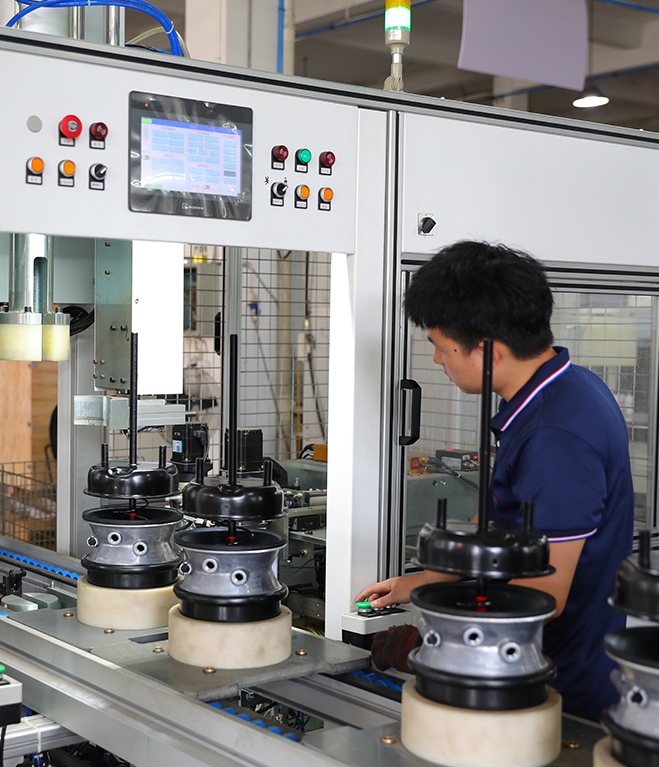
Over 70% of the components for our products are manufactured in-house, which guarantees product quality.

Components

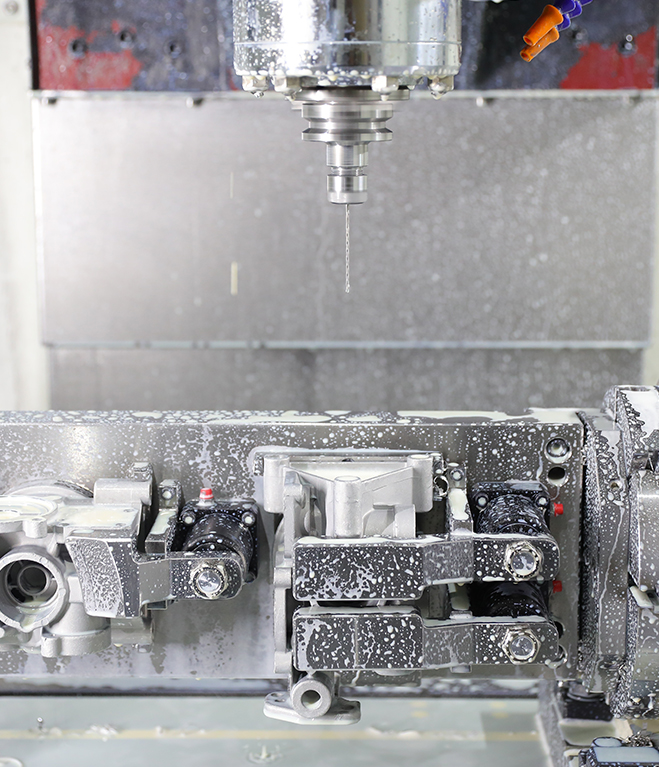
High-quality raw materials, precise calculation, professional design, and strict production testing ensure that all products manufactured by Gongzheng Jinggong are durable.

Service Life

We have long provided direct supporting services for large enterprises. Our long-term close cooperation with commercial vehicle brands and manufacturers in R&D and testing has made us more professional and experienced.

Professionalism

Automated production and accurate, fast logistics services are sufficient to meet customer requirements.

Delivery

We have an independent R&D team. In addition to standard parts, we also offer customization services to meet customers' special needs.

Customization

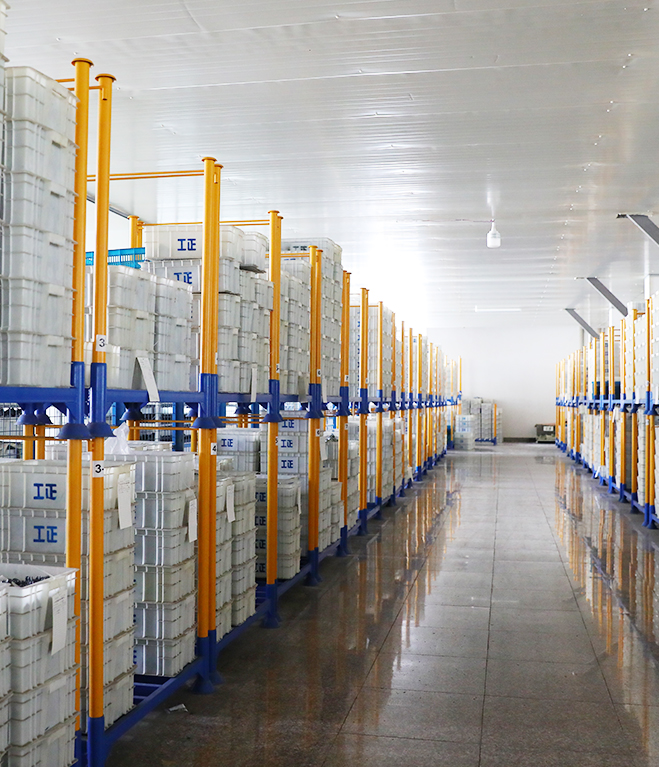
We maintain a standing inventory of over 200,000 units, enabling us to handle large-volume orders and urgent orders.

Inventory
Maintenance

Calibration Checks and Replacement Parts

Limiting valves are low-maintenance, but a drifting setting can affect brake balance and accessory life. A simple schedule keeps them accurate.

Table 3 — Recommended inspection and replacement schedule for pressure limiting valves.

ItemIntervalWhat to Check
Set pressure checkEvery 12 monthsRead outlet pressure with a gauge and compare with the specification; drift beyond 0.3 bar means service.
Exhaust portEvery serviceCheck for continuous leakage, ice, dirt or undercoating that could block the relief path.
Inlet strainerWith each valve serviceClean or replace if clogged; a blocked screen reduces flow and slows circuit response.
DiaphragmEvery 3 years or 250,000 kmReplace if cracked, stiff or swollen. A worn diaphragm is the main cause of set pressure drift.
Seals and O-ringsWith each disturbanceAny hardening, flattening or nicks mean replacement.
Adjusting screw and lock nutAnnual inspectionOn adjustable valves confirm the lock nut is tight and the marker paint is undisturbed.
Mounting and linesAnnual inspectionLook for loose brackets, chafed pipes and corrosion at the fittings.

We supply diaphragm kits, strainers, seal sets and complete replacement valves for every model listed on this page.

Diagnostics

Pressure Limiting Valve Troubleshooting Guide

Compare the symptom with the likely cause before replacing the valve. A few complaints that look like valve faults trace back to a leaking consumer or a contaminated air supply.

Table 4 — Common pressure limiting valve symptoms, causes and corrective actions.

SymptomLikely CauseRecommended Action
Downstream pressure higher than specifiedWorn diaphragm, spring drift or dirt on the inlet seat.Clean or replace the diaphragm kit; if set pressure is still high, replace the valve.
Downstream pressure lower than specifiedPartly blocked strainer, weak spring or restricted supply line.Clean the strainer, check the supply pipe, retest with a gauge.
Constant hiss from the exhaust portExhaust seat not sealing, or a leaking consumer causing constant refill.Replace the diaphragm or valve, and check the downstream circuit for leaks.
Circuit responds slowlyValve too small for the flow or inlet screen blocked.Fit a larger port size or clean the strainer.
Set pressure changes with temperatureDiaphragm stiffening in cold weather or seal hardening in heat.Replace the diaphragm and seals with the correct material grade.
Front wheels lock earlier than the rearsLimiting valve stuck open or removed in an earlier repair.Test the front circuit pressure and fit the correct valve.
Valve shows no limiting actionReversed installation or a bypassed seat.Check inlet and outlet markings and reinstall correctly.
Adjustable valve keeps changing settingLoose lock nut or worn adjusting screw.Tighten and lock the nut, or replace the valve if threads are worn.

If the symptom continues after valve replacement, the fault is usually in the consumer, the supply line or the air dryer upstream. Send us the outlet pressure readings and the circuit involved, and our technicians will help you work out whether the valve or the consumer is at fault.

Terminology

Pressure Limiting Valve Glossary

Plain-language definitions of the terms you will see on circuit diagrams, workshop manuals and part listings.

Pressure Limiting Valve
A valve that caps the pressure at its outlet at a set value, regardless of a higher supply pressure.
Set Pressure
The outlet pressure at which the valve closes its inlet seat and holds the downstream circuit.
Diaphragm
A flexible membrane that senses outlet pressure and moves against the spring to open and close the seats.
Inlet Seat
The seating surface that admits supply air to the outlet until the set pressure is reached.
Exhaust Seat
The seating surface that opens to vent excess downstream pressure through the exhaust port.
Relief Function
The ability to vent pressure that rises above the set value, for example through heat expansion.
Fixed Valve
A valve whose set pressure is factory-calibrated and sealed so it cannot be altered.
Adjustable Valve
A valve whose set pressure can be changed with a screw and locked in place by a nut.
Brake Force Balance
The distribution of braking effort between front and rear axles so that no axle locks up prematurely.
Front Axle Limiter
A pressure limiting valve installed in the front brake circuit to reduce front brake force.
Inlet Strainer
A fine filter at the inlet that keeps particles away from the seats.
Hysteresis
The small difference between the pressure at which the valve closes and the pressure at which it reopens.
Questions

Frequently Asked Questions

Twelve questions our distributors, workshops and fleet buyers ask most often about commercial vehicle pressure limiting valves.

It caps the air pressure delivered to a specific circuit at a set value below system pressure. This protects components such as suspension bellows, door cylinders and front axle brakes from receiving more pressure than they are designed for.

They are related but not identical. A limiting valve caps outlet pressure in the flow path and works continuously. A regulator or governor controls when a source such as a compressor charges. Many drivers use the terms loosely, so check the function against the circuit diagram.

Use the pressure stated in the vehicle manual or on the component data plate. If the original valve is fitted, its part number and stamped pressure are the most reliable guide. Do not guess the value on a brake circuit.

For safety-related circuits such as front axle brakes, a sealed fixed valve is usually preferred. For accessory circuits such as seat or cab suspension, an adjustable valve allows the setting to be tuned to the vehicle.

Fit a calibrated gauge to the outlet, charge the system to normal working pressure and read the outlet value. It should match the specification within about 0.2 bar. If it does not, clean or replace the valve.

Yes, where the vehicle design allows it. Use a fixed valve at the value specified by the chassis maker, since the setting affects brake balance and legal braking performance.

Typical signs include downstream pressure that is too high or too low, a constant hiss from the exhaust port, sluggish circuit response and front wheels locking before the rears.

Usually yes. Many valves carry a set pressure and a part number stamped on the body. Send those markings with a photo of the port layout, and we will confirm the matching model, or the closest adjustable version, within two working days.

Yes. Diaphragm kits, seal sets and inlet strainers are available for the models listed on this page. Tell us the model and we will list the matching service part numbers in your quotation.

Diaphragm and seal materials stiffen in extreme cold and soften in extreme heat. If the drift is large, replace the wear parts with the correct material grade for your climate.

Standard set pressures are stocked, so a few pieces are enough for a fitment trial. A special calibration is built in a small batch and quoted with a firm delivery date on the proforma invoice. Stocked valves typically ship within 3 to 7 working days.

Yes. We can calibrate valves to a set pressure of your choice, produce alternative port threads to your drawing, and supply them in neutral cartons or under your own brand.

Need the right pressure limiting valve for your circuit?

Send us the OEM part number, the required outlet pressure or a photo of the valve. We will confirm the correct model, set pressure and port thread within 48 hours.