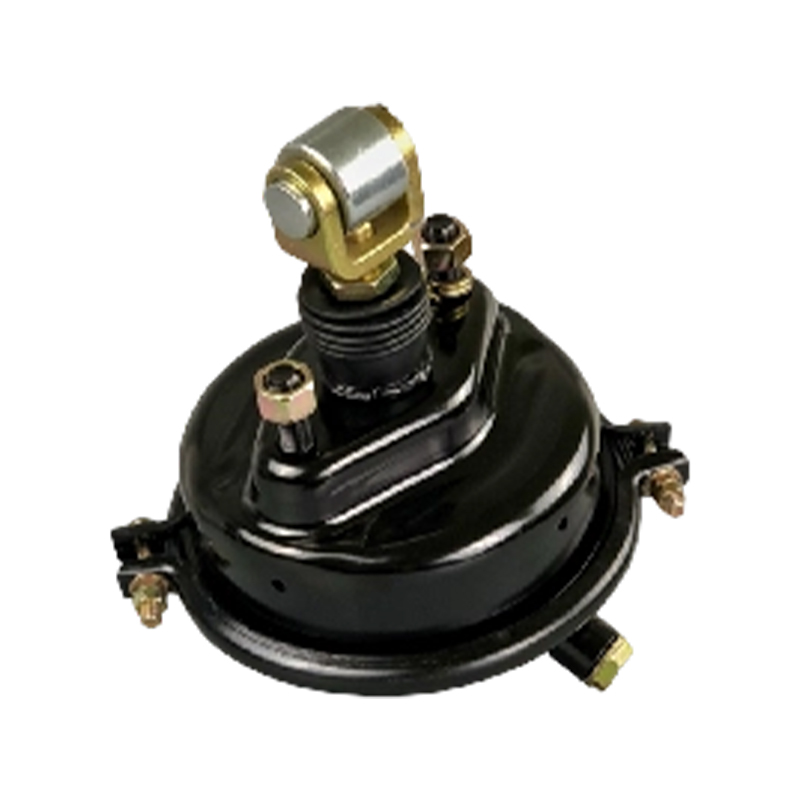
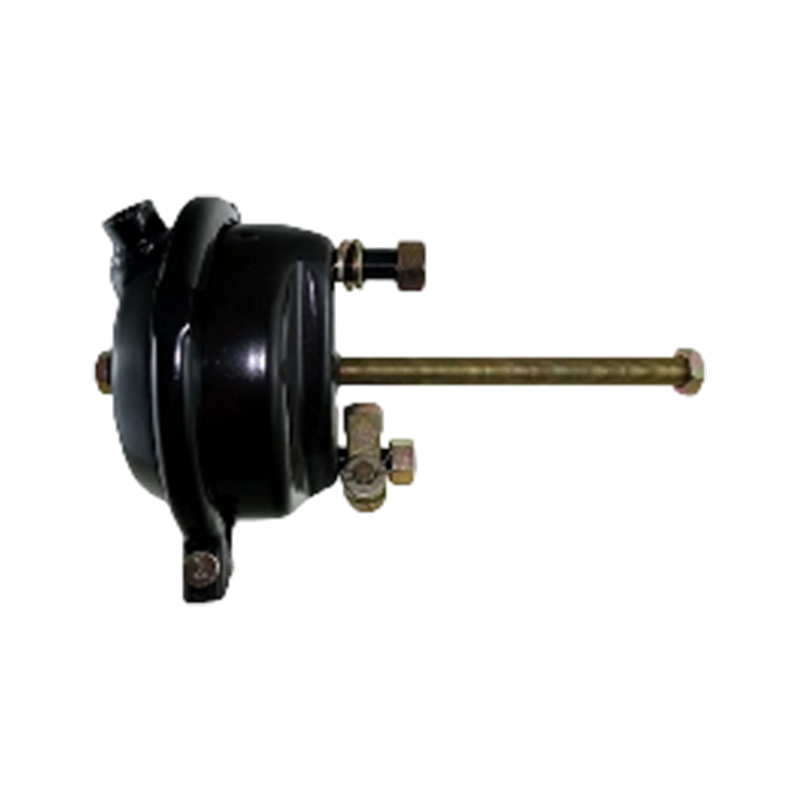
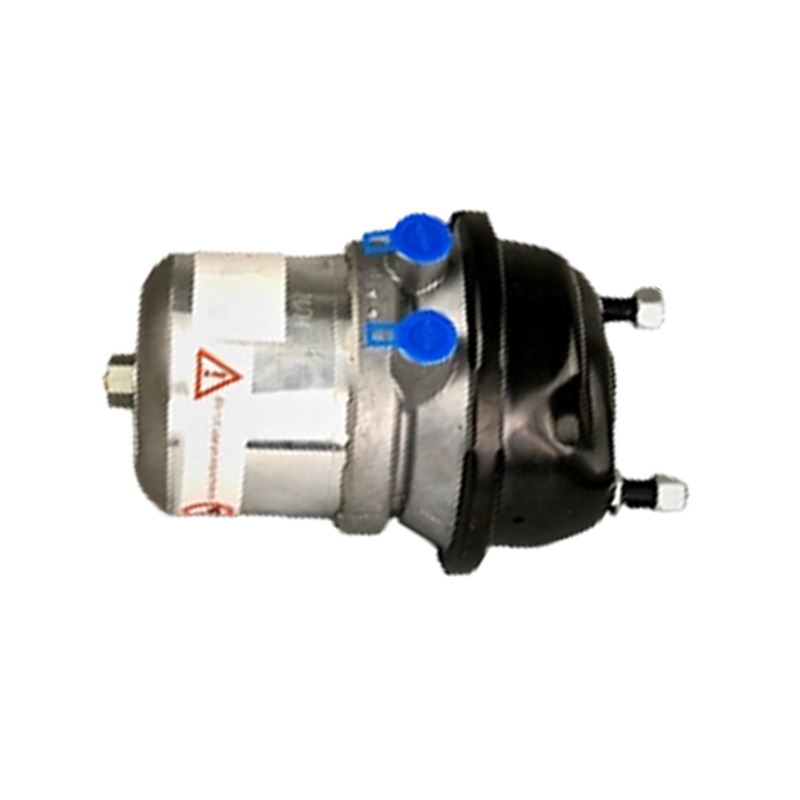
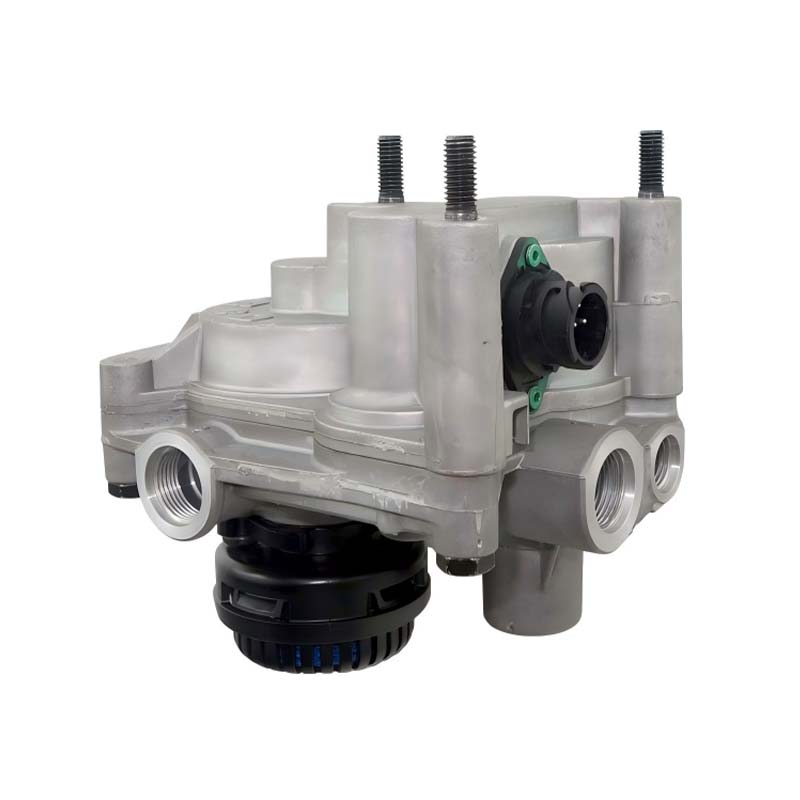
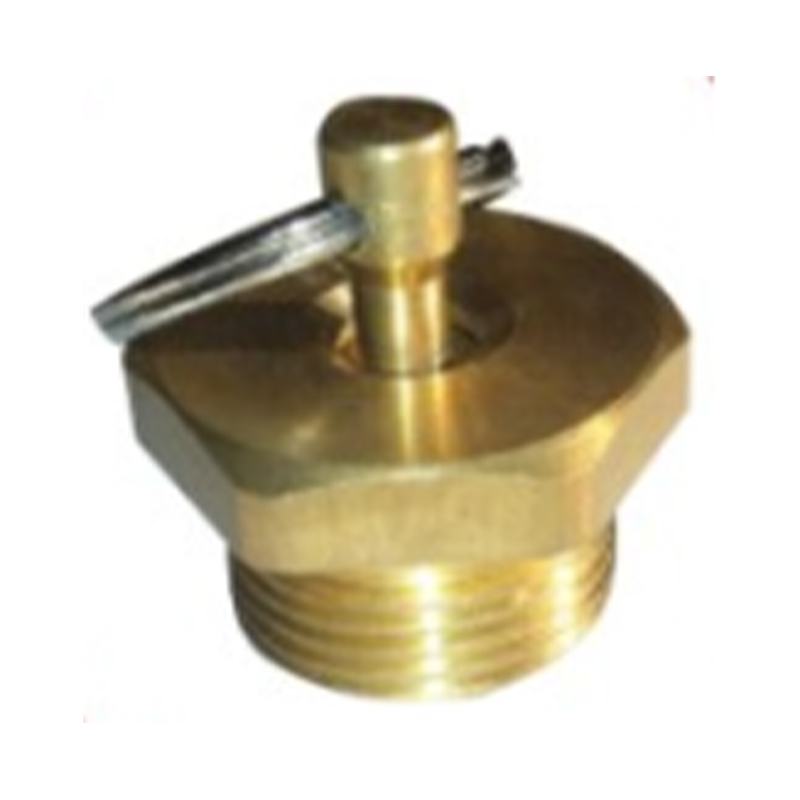
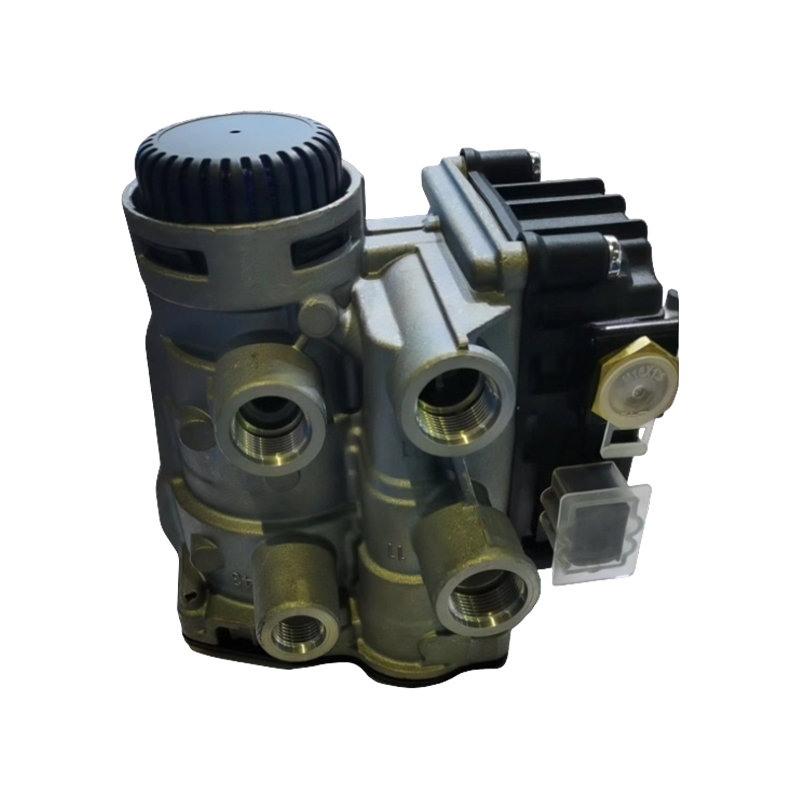
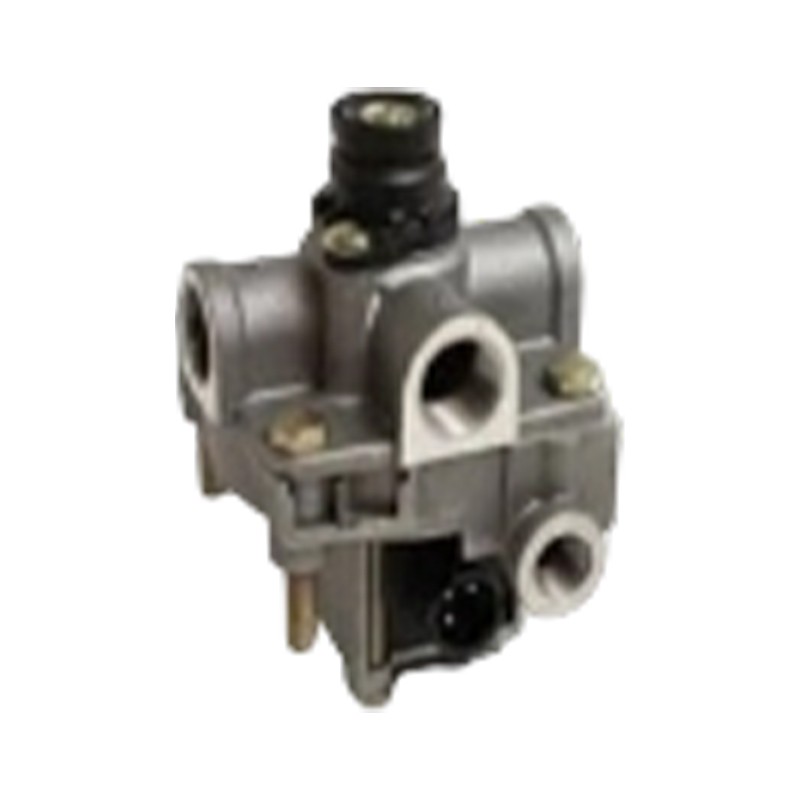
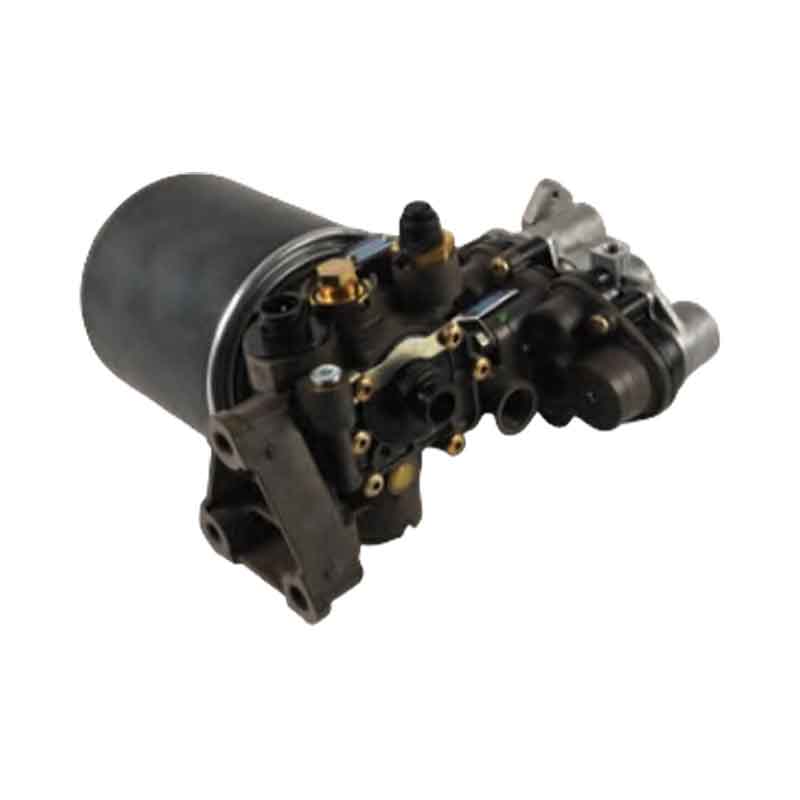
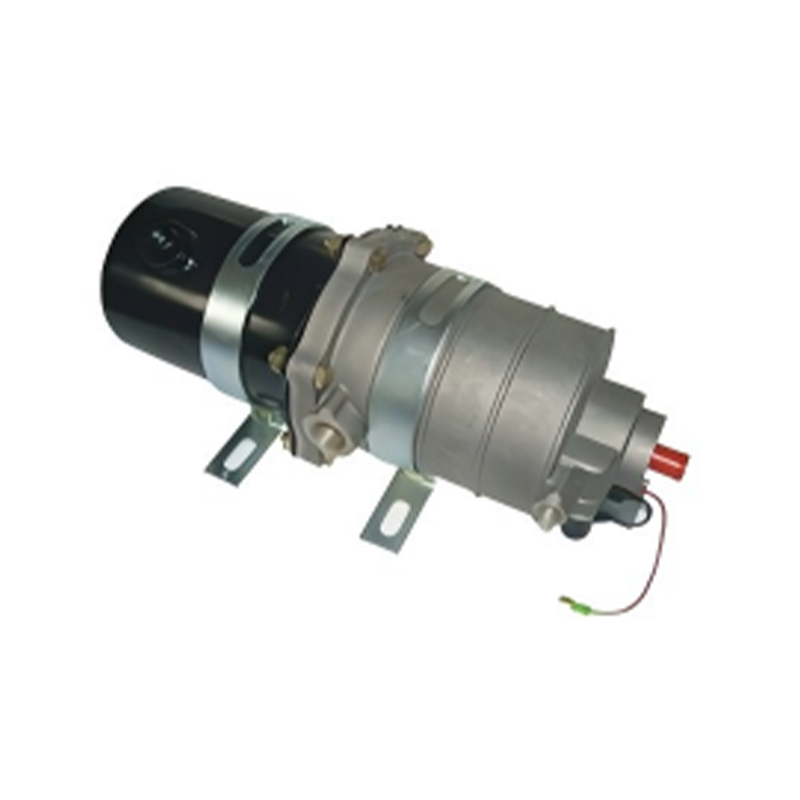
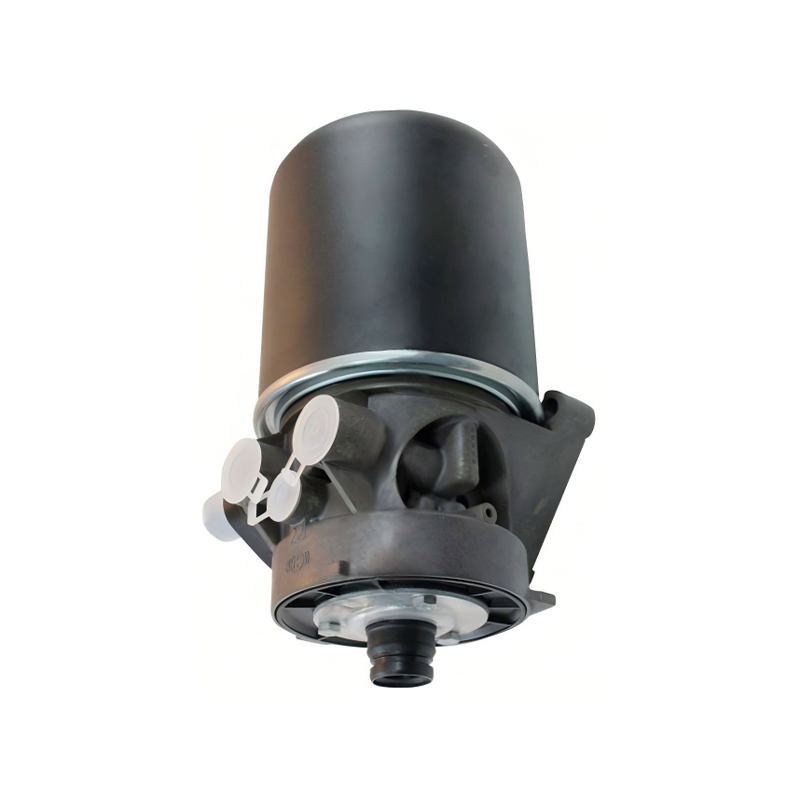
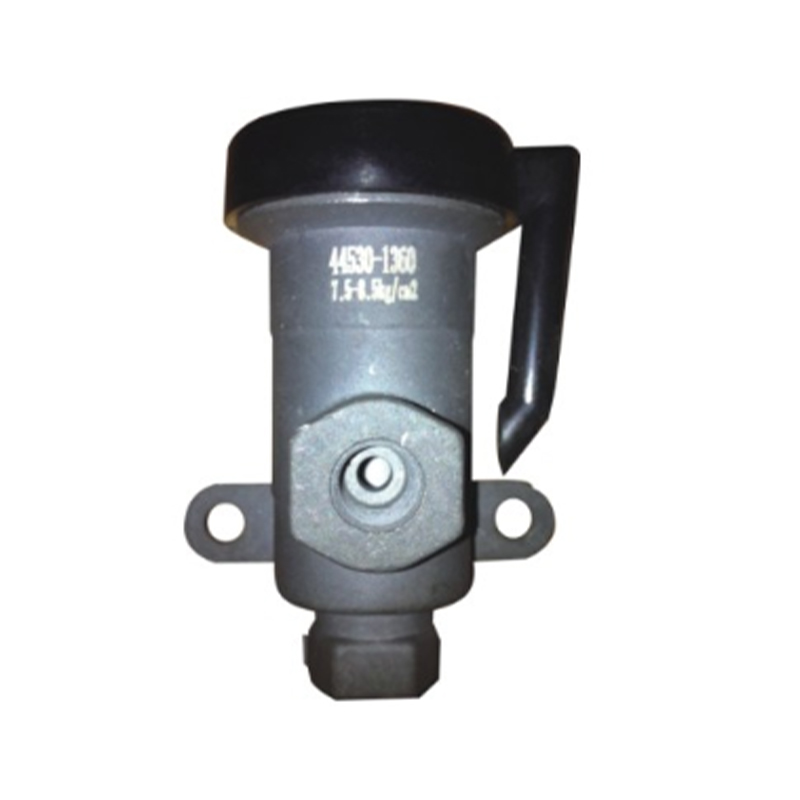
Heavy duty trailer brake control components are the family of pneumatic valves mounted on a semi-trailer or draw-bar trailer chassis that receive the tractor's supply and control air, distribute it correctly across the trailer's own circuits, adjust braking to match the load, and apply the brakes automatically if the trailer is ever separated from the tractor. Together they let a trailer that has no engine, no driver and no independent power source brake safely and correctly under any load, every time it is coupled.
A trailer is, mechanically, the simplest half of any tractor-trailer combination, and yet its brake control components carry some of the most safety-critical logic in the entire vehicle. The trailer has to charge itself from the tractor's supply, control its own brake chambers in step with the tractor's pedal signal, reduce or increase brake force depending on whether it is running empty or fully laden, and, if it is ever cut loose accidentally, stop itself using only the air already stored on board. None of this happens by chance; it happens because a specific set of valves, working together, are built for exactly this job.
Distribution, Emergency and Synchronization in One Family
Rather than a single all-purpose trailer valve, most European trailers use several purpose-built components working together. A trailer distribution valve divides incoming supply air across the trailer's circuits in the correct priority order. A trailer emergency control valve holds reservoir air in reserve and applies the brakes automatically if the tractor's supply line is lost. A brake synchronization valve helps keep trailer braking matched in timing and proportion to the tractor, so the combination decelerates evenly rather than the trailer pushing or lagging behind.
Load Sensing Keeps Braking Proportional
A trailer's laden weight can be five times its empty weight or more, and the same brake pressure cannot be correct at both extremes. A mechanically linked load sensing valve reads suspension deflection as a direct measure of load and reduces delivered brake pressure when the trailer is empty, restoring full pressure as load increases, exactly as required by braking compatibility regulations between tractor and trailer.
Relay Valves Keep Response Fast at the Axle
Because trailer axles sit a long way from the tractor's foot valve, a relay valve mounted near the trailer's own reservoir amplifies the small control signal into a fast, high-flow application at the brake chambers, rather than relying on air travelling the full length of the combination through narrow control lines.
Release Valves for Yard and Depot Handling
When a trailer is parked and disconnected, its own reservoir keeps the brakes applied through the emergency valve. A release valve, typically a pull knob or push button, lets an operator temporarily free the brakes so the trailer can be shunted by hand or by a yard tractor without an air connection, with the brakes automatically re-applying once the reservoir bleeds down.
Predominance and Adjustable Control Valves
Some trailer control valves include an adjustable predominance function, letting the workshop fine-tune how trailer brake pressure responds relative to the tractor's signal across the pressure range, which is useful when matching trailer response to a particular tractor type or when correcting a combination that pulls unevenly under braking.
What to Match When Ordering
Match the specific function needed, whether distribution, emergency, load sensing, relay or release, the port thread pattern and count, and the OEM part number, since trailer valve families from different eras and different builders are rarely interchangeable even when the outward appearance is similar.
- Fit point: trailer chassis, fed from tractor supply and control lines
- Functions covered: distribution, emergency, load sensing, relay, release
- Safety function: automatic brake application on supply loss
- Load matching: mechanical load sensing proportional to axle deflection
- Response speed: relay valves amplify signal at the axle
- Service parts: seal kits, release buttons, linkage components