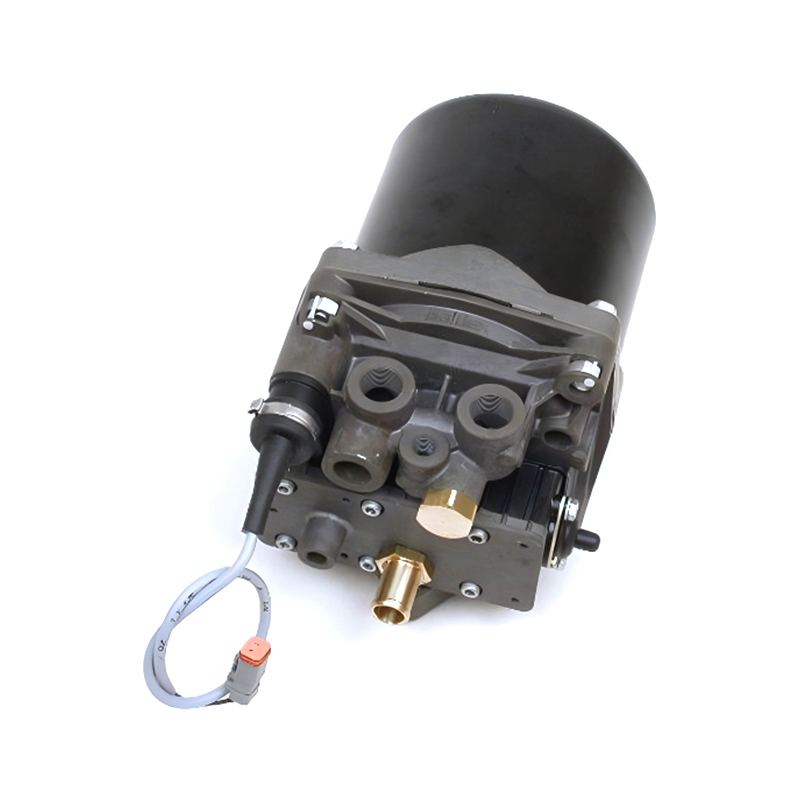
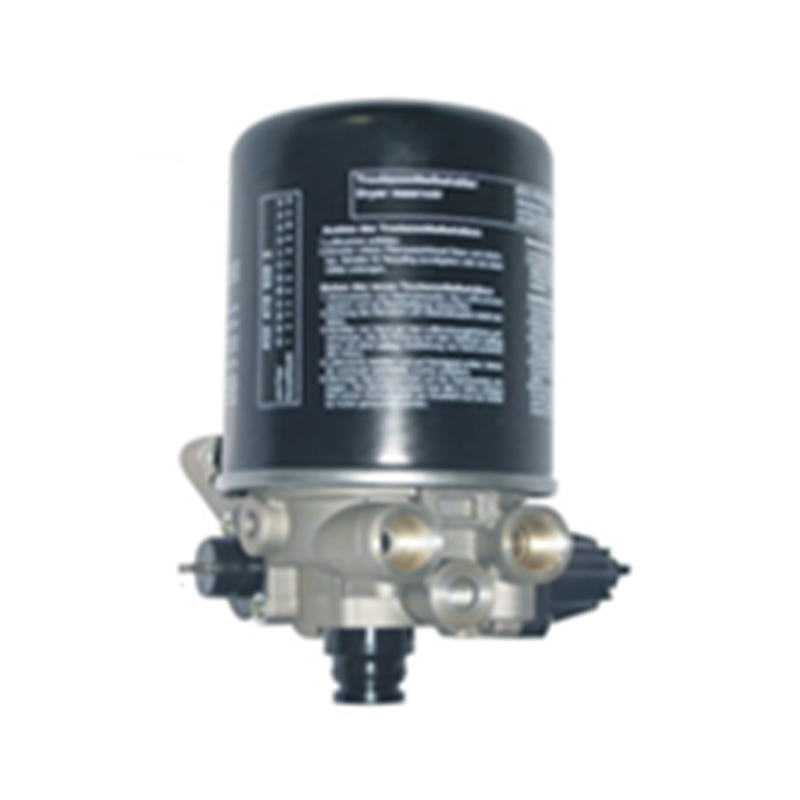
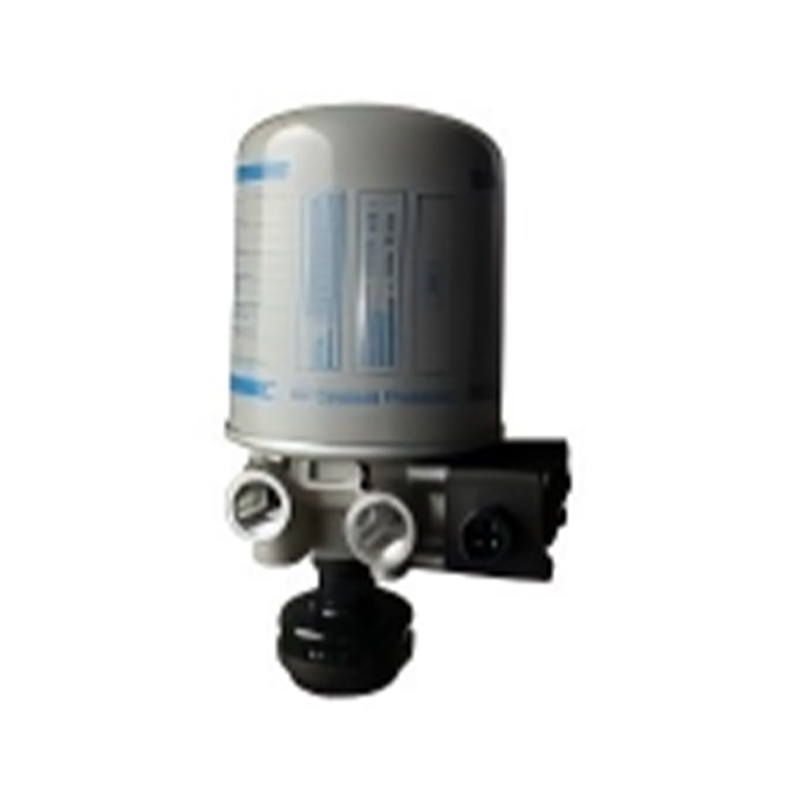
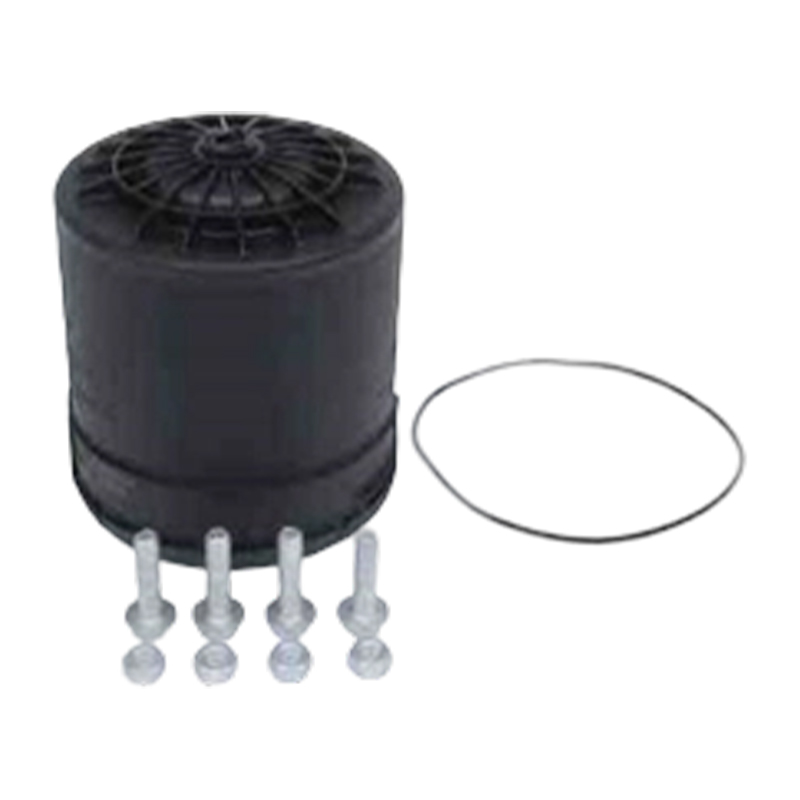
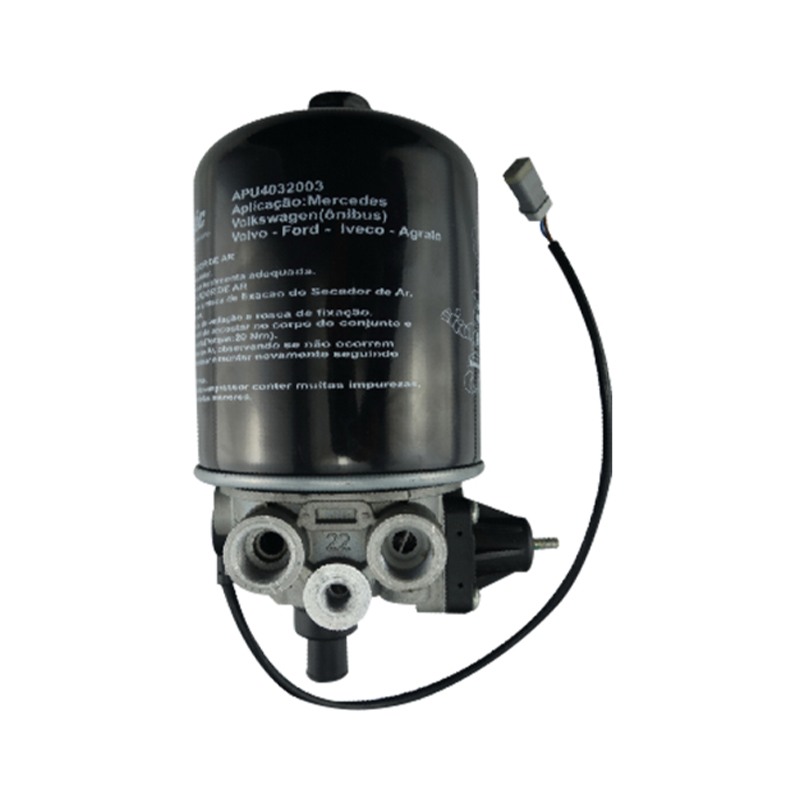
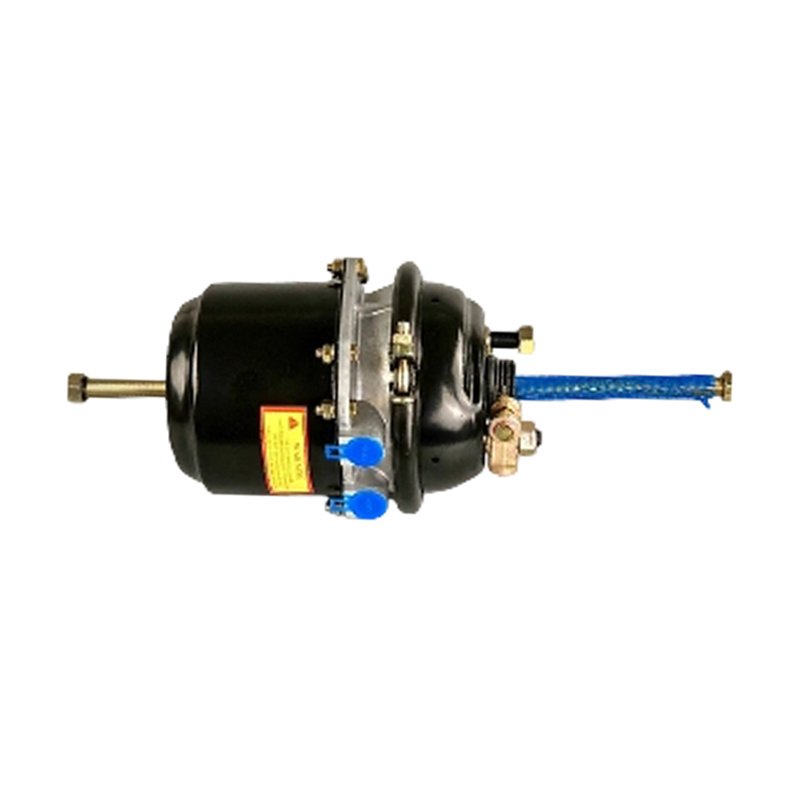
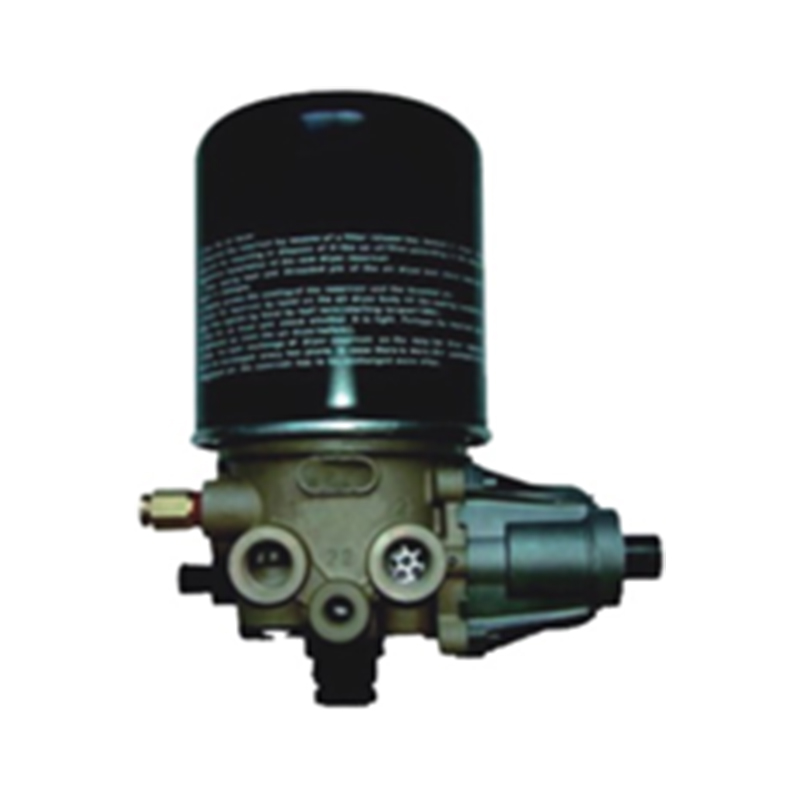
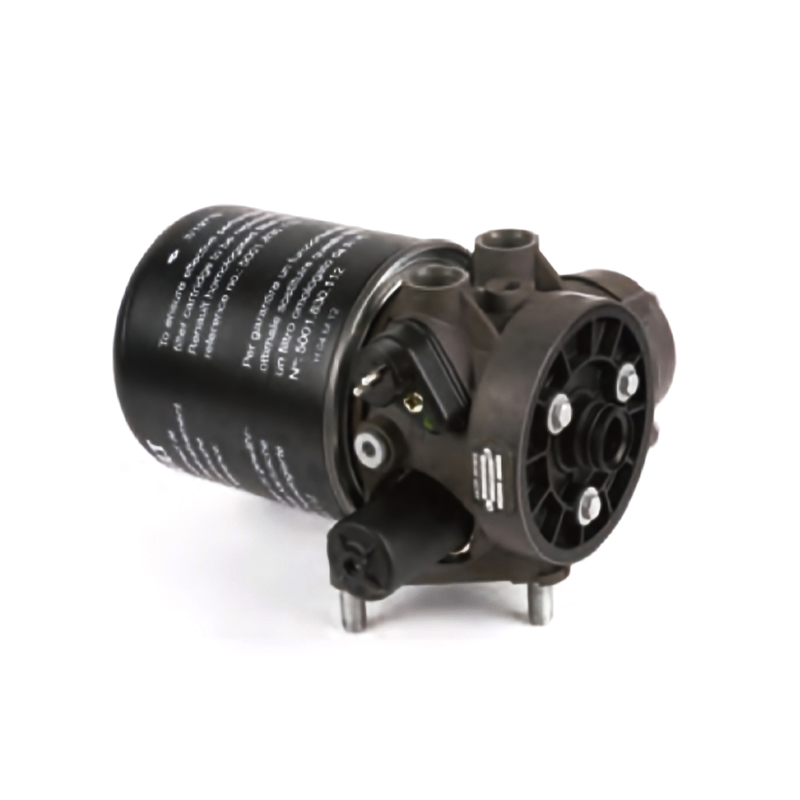
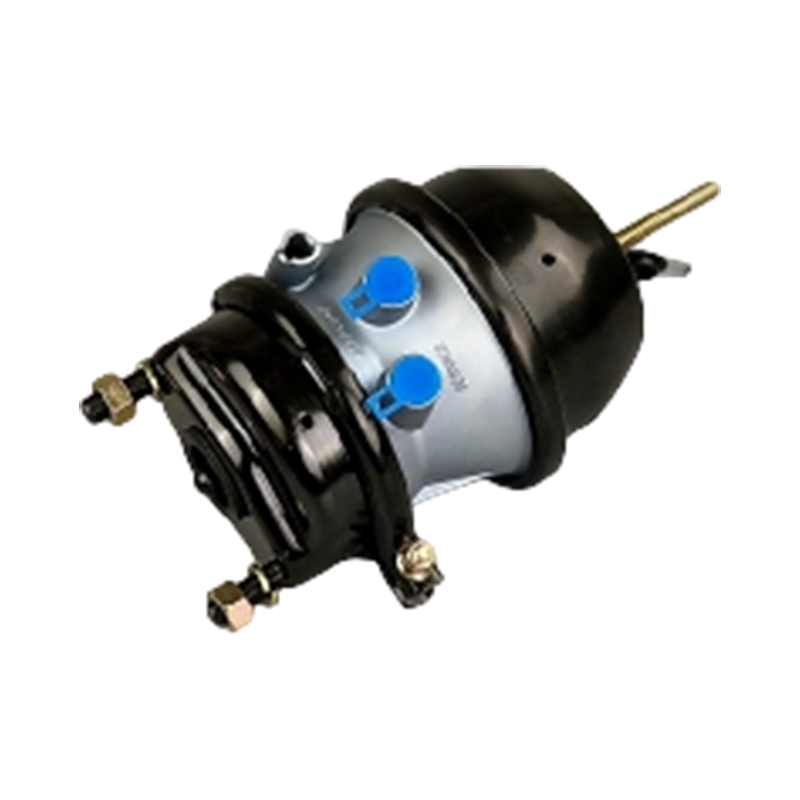
European bus air brake system components are the family of pneumatic parts, purpose-built or specifically adapted for city bus and coach chassis, that generate, store, distribute and apply compressed air braking across a vehicle whose air demand is unusually high because of doors, kneeling suspension and passenger comfort systems sharing the same compressed air supply as the brakes.
A bus is not simply a truck with seats. Its air system has to serve the brakes exactly as any commercial vehicle does, but it also has to run the doors, lower and raise the body for kneeling at stops, and often feed a retarder and an air suspension levelling system, all from the same compressor and the same reservoirs. Every one of those extra demands is a potential drain on the air the brakes need, so the components used on a bus are chosen, and sometimes specifically designed, to keep braking protected no matter how hard the accessory circuits are working.
Why Bus Air Systems Are Built Differently
A city bus opening its doors at every stop, kneeling toward the kerb for accessibility and cycling its retarder in stop-start traffic uses compressed air constantly throughout the working day, far more continuously than a long-haul truck. The compressor has to keep up with this demand while still fully charging the brake circuits first, which is why bus-specification circuit protection valves prioritise brake and parking circuits ahead of the door and suspension circuits, and why bus air dryers and compressors are frequently sized larger relative to vehicle weight than their truck equivalents.
Door and Kneeling Circuits Share the System
Door cylinders and kneeling valves draw air from the same reservoirs as the brakes, through a protected auxiliary circuit. A pressure limiting valve typically caps the pressure reaching the doors so that opening and closing forces stay safe around passengers, while a multi circuit protection valve ensures a door air leak, which is a relatively common fault given how often doors cycle, cannot drain the brake circuits.
Kneeling and Levelling Valves
Kneeling, the ability to lower one side of the bus toward the kerb, uses the same levelling valve technology found on air-sprung trucks and trailers, but with a driver-operated override that the standard automatic levelling function does not need. When the driver selects kneel, the valve is commanded to exhaust the near-side air springs regardless of the sensed ride height, and to return to normal automatic levelling once the driver cancels the function or the vehicle moves off.
Retarder and Exhaust Brake Control
Many buses use an engine or transmission retarder to reduce reliance on the service brakes in stop-start traffic, extending brake lining and drum or disc life significantly. The retarder itself is usually hydraulic or electric, but its engagement is frequently triggered and interlocked through the same pneumatic and electro-pneumatic control valves used elsewhere on the vehicle, tied into the brake pedal travel so that light pedal pressure brings in the retarder before the service brakes are called on.
Interlocks Between Brakes and Doors
For passenger safety, many buses interlock the parking brake and the doors: the doors cannot be commanded open unless the parking brake is applied, and in some configurations the vehicle cannot be driven away with a door not fully closed. These interlocks depend on reliable signals from the hand brake valve's warning switch and from door position sensors, so a fault in either can prevent doors opening or trap the vehicle in a fault state.
What to Match When Ordering Bus Components
Confirm not just the standard truck-style specification of a component but also its bus-specific functions: door interlock switching, kneeling override wiring, retarder interlock connections and any pressure limiting specific to accessory circuits. Bus chassis platforms vary between manufacturers even more than truck platforms, so the OEM number and a wiring diagram are especially valuable references.
- Coverage: brake, door, kneeling, retarder and suspension circuits
- Priority design: brake and parking circuits protected first
- Kneeling: driver-overridden levelling valve function
- Interlocks: parking brake and door position tied together
- Retarder: pneumatic and electro-pneumatic engagement control
- Service parts: circuit-specific valves, switches, seal kits