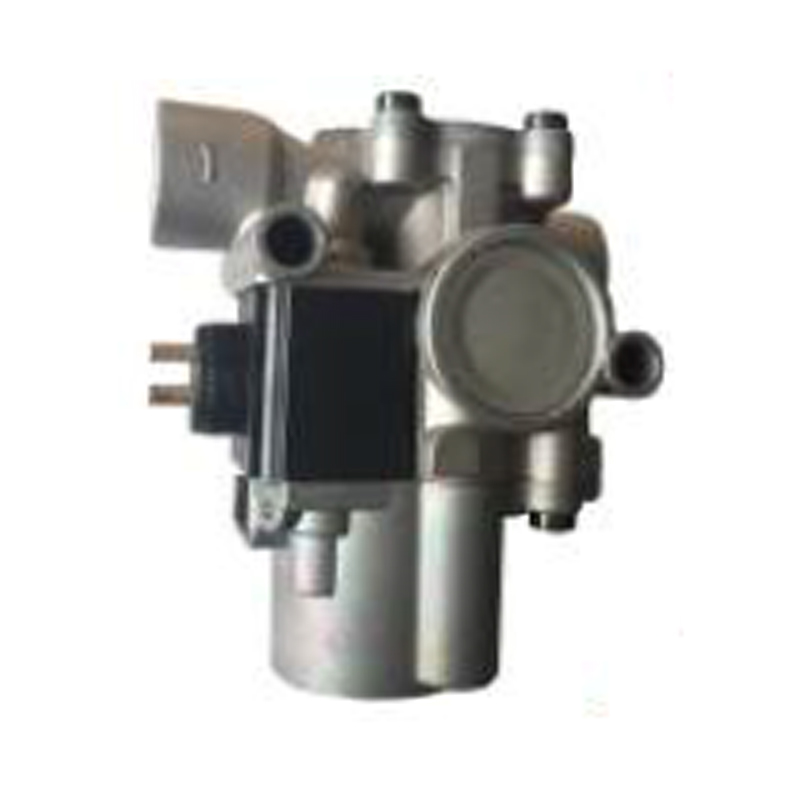
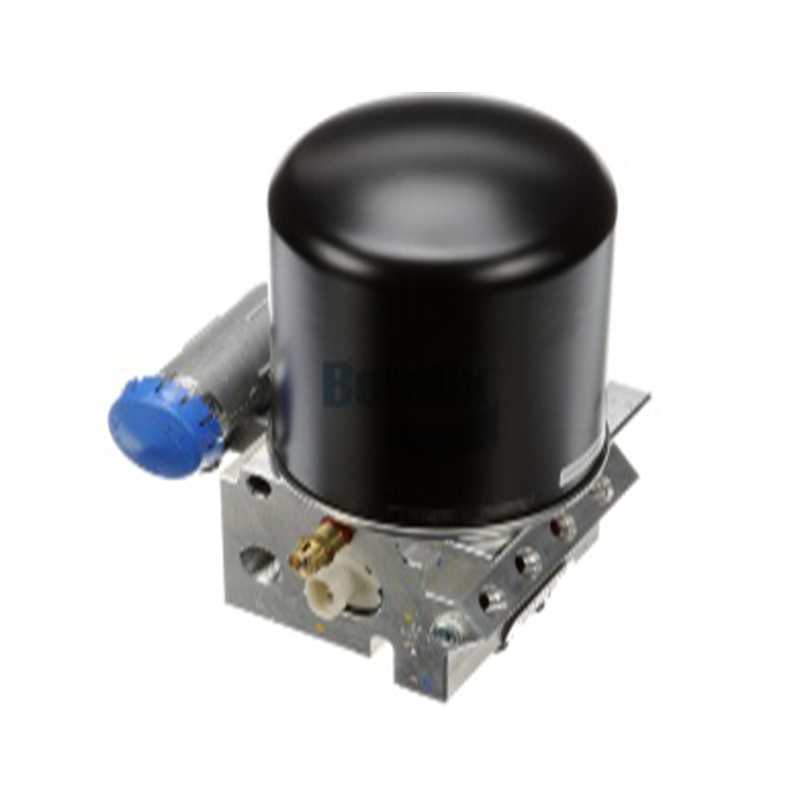
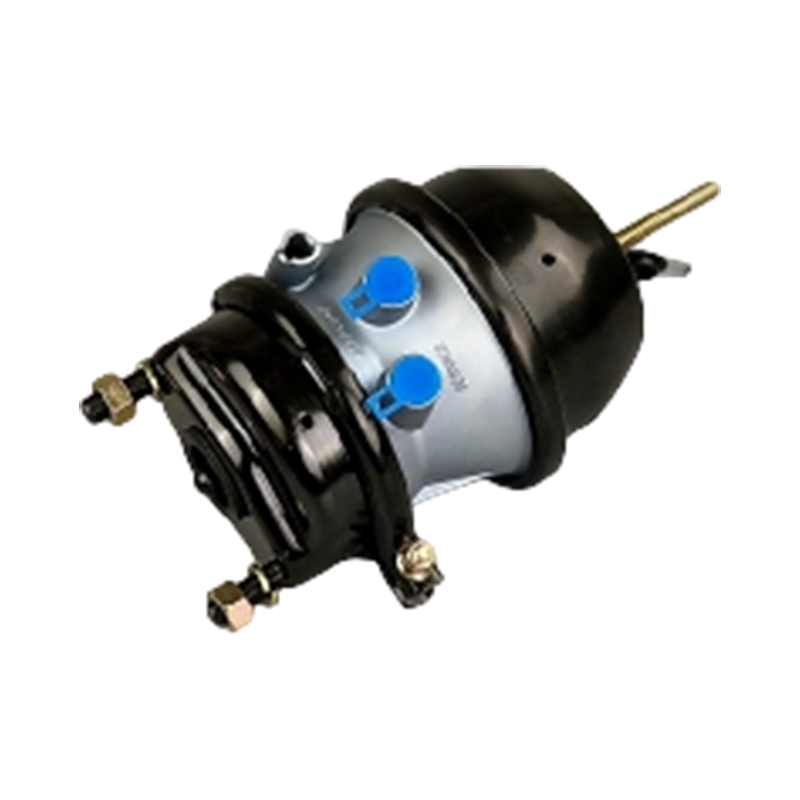
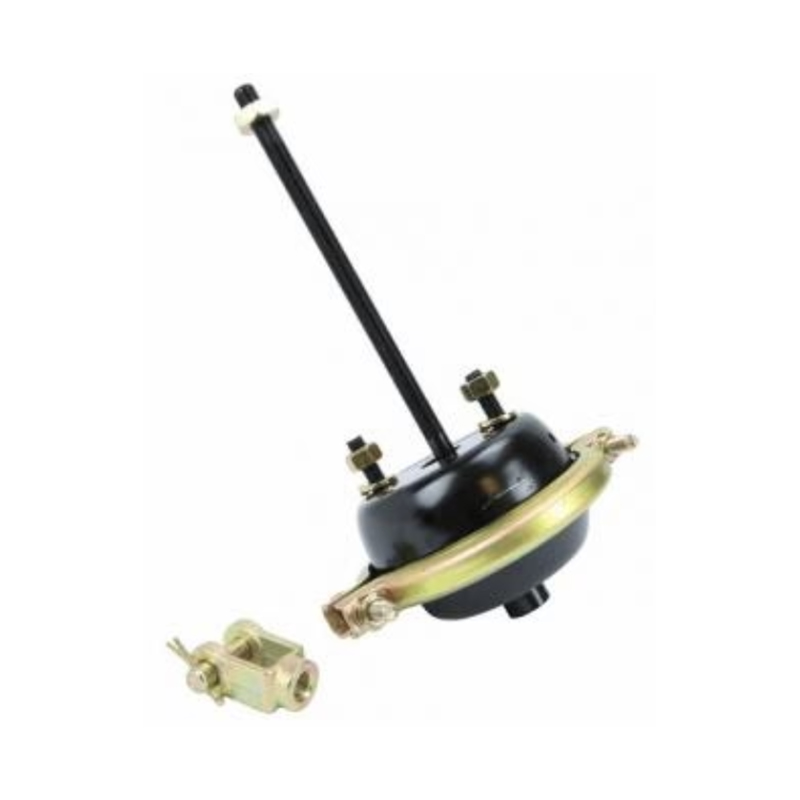
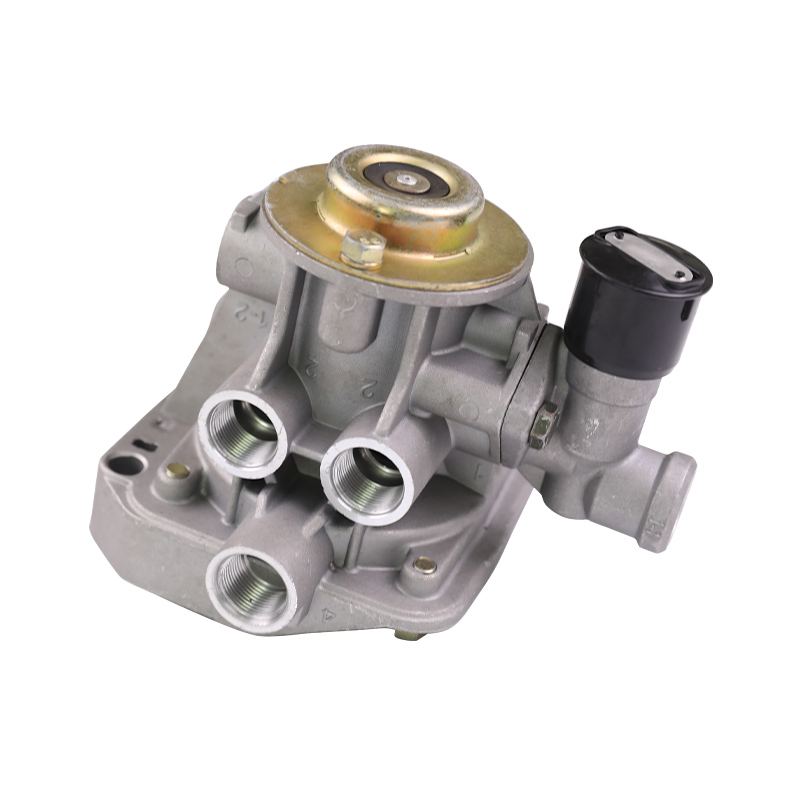
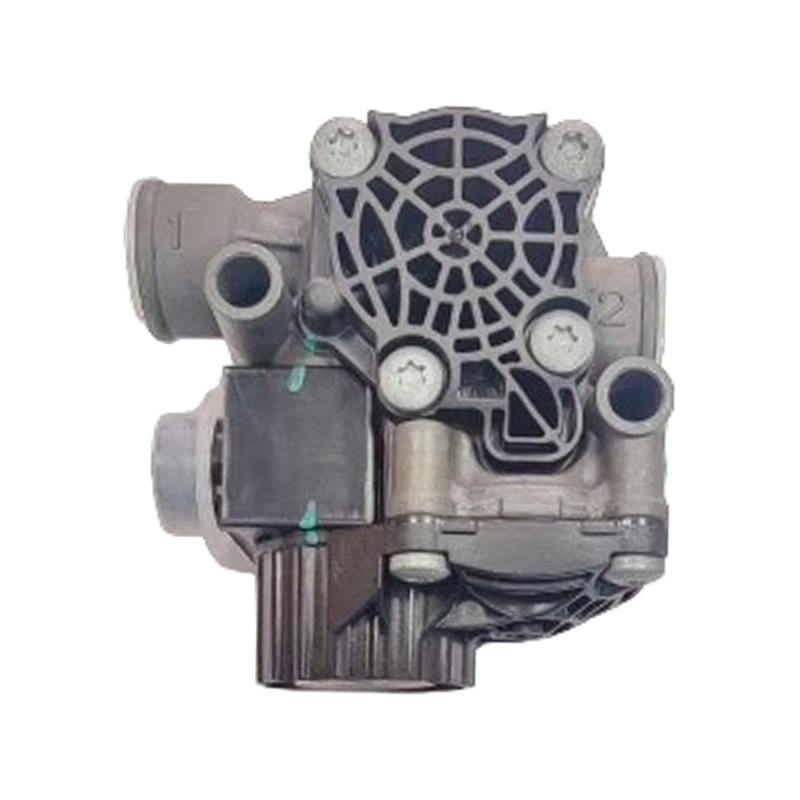
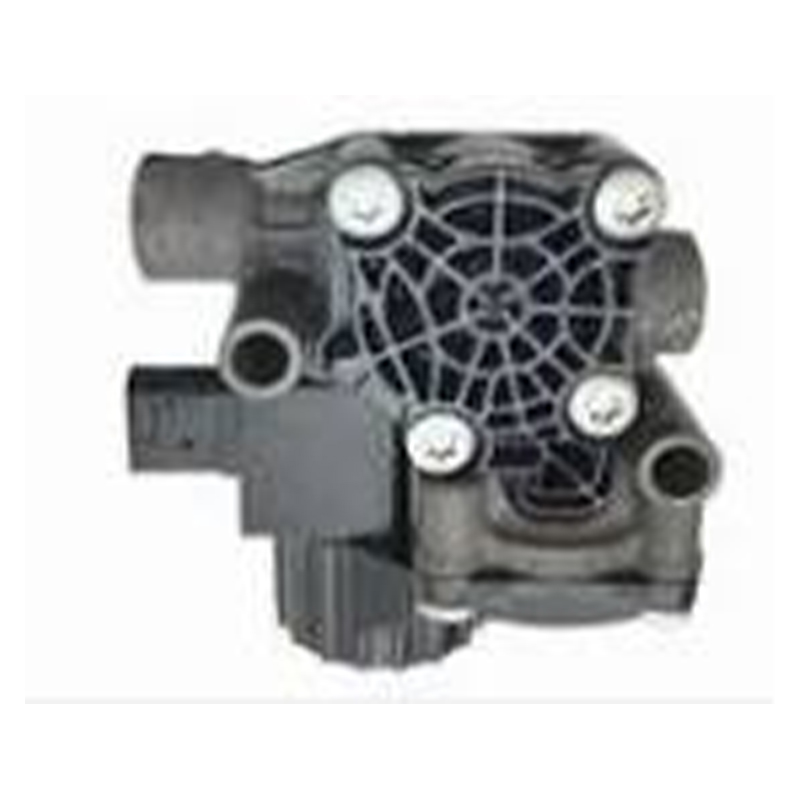
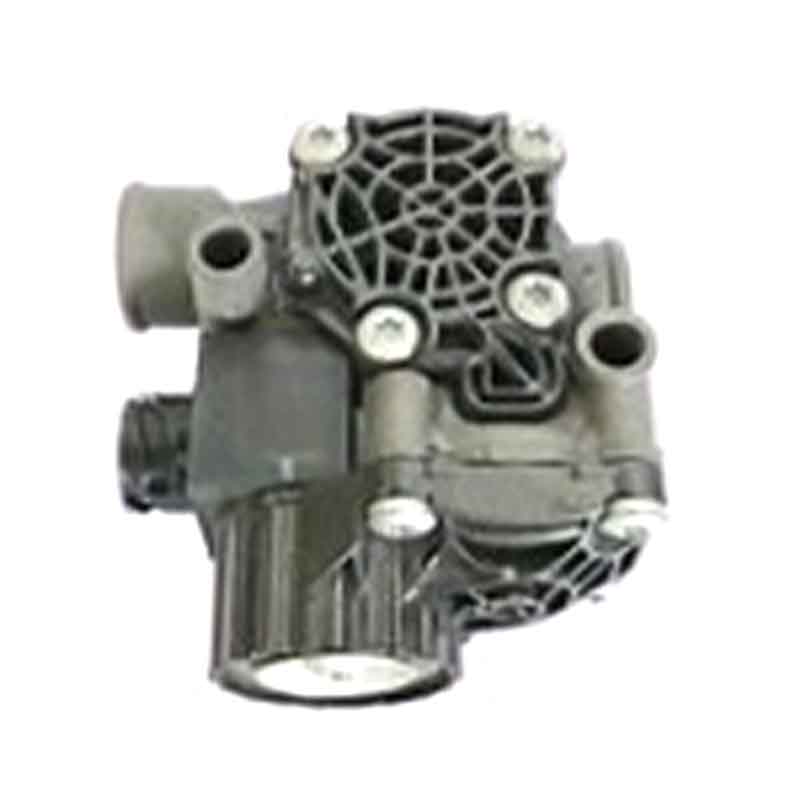
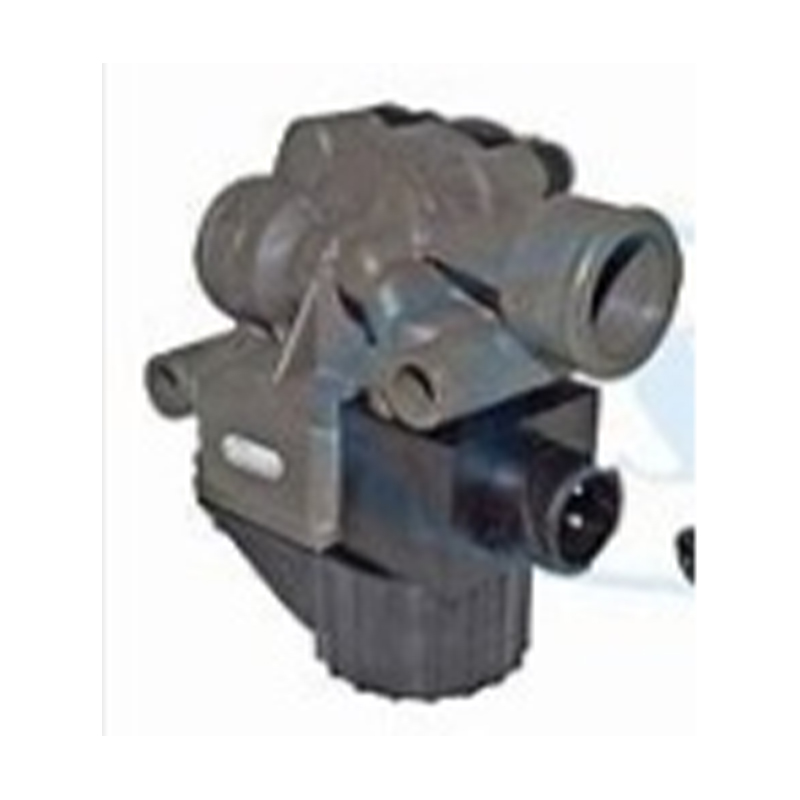
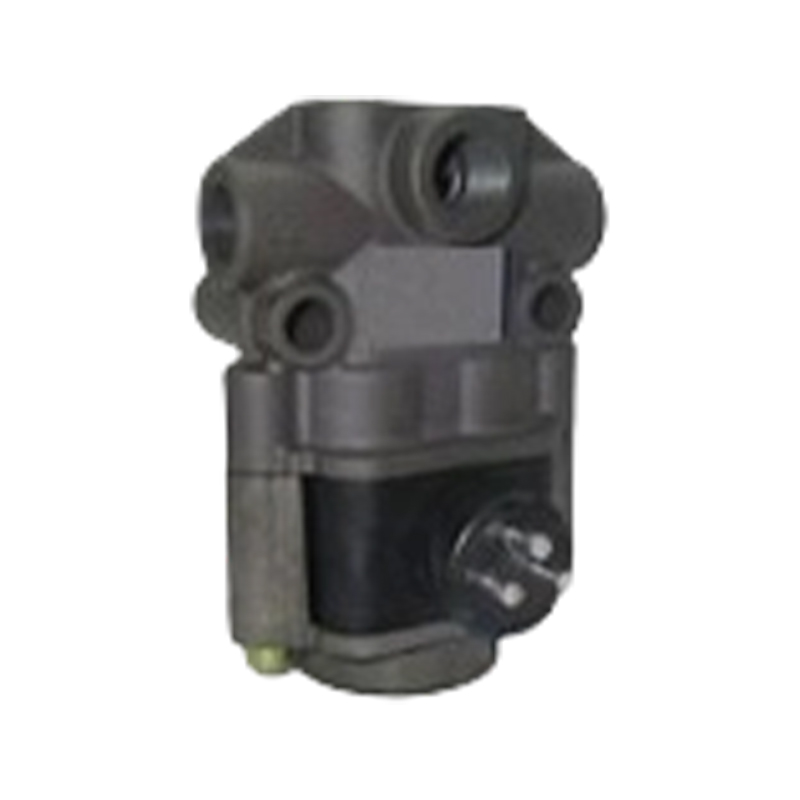
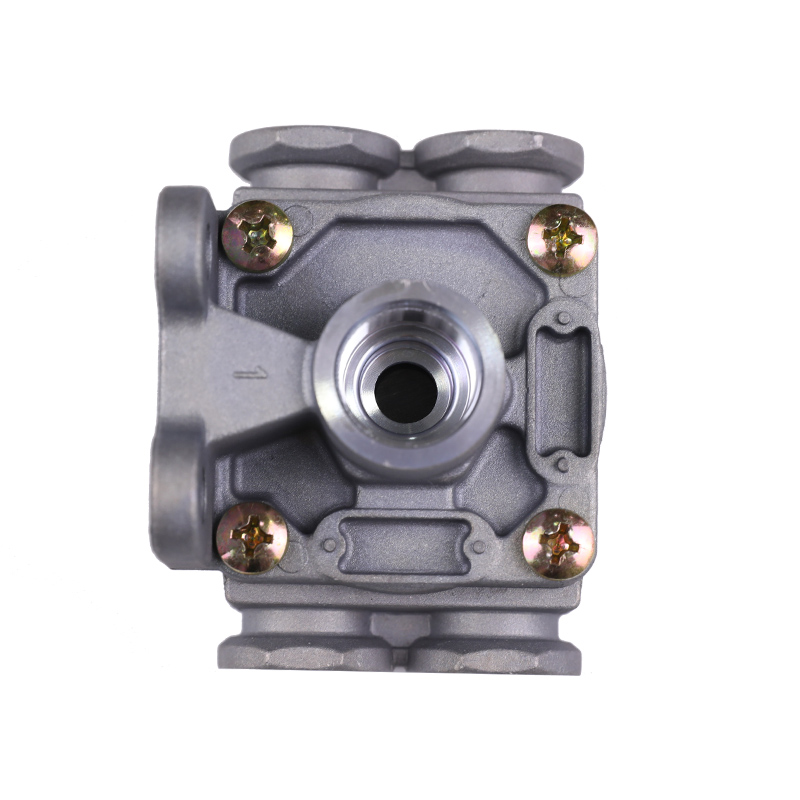
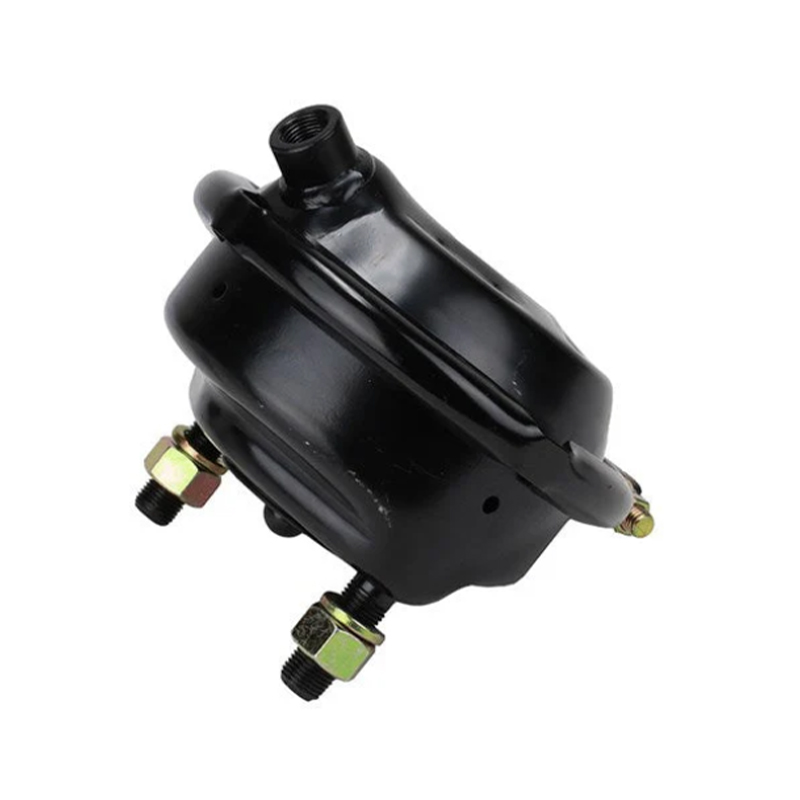
An ABS valve, more precisely called an ABS modulator or solenoid valve block, is the actuator that an anti-lock braking system uses to control brake pressure at each monitored wheel. Acting on commands from the ABS electronic control unit, it holds, reduces or reapplies air pressure to the brake chamber many times a second, preventing the wheel from locking under heavy braking so the driver keeps steering control and the shortest possible stopping distance.
Wheel speed sensors on a truck or trailer tell the ABS control unit how fast each monitored wheel is turning. If the control unit detects that a wheel is decelerating faster than the vehicle itself, it means that wheel is about to lock and skid. The control unit cannot change brake pressure directly; it needs a valve at the wheel that can act on its command within milliseconds. That valve is the ABS modulator, and it is the point where an electronic decision becomes a mechanical change in braking force.
Hold, Dump and Reapply
An ABS modulator normally contains two solenoid coils controlling three phases of operation. In the hold phase both solenoids are de-energised or held to trap the current chamber pressure, stopping it rising further even though the driver keeps pressing the pedal. In the dump phase the exhaust solenoid opens and vents air from the chamber, reducing braking force at that wheel until it starts to spin up again. In the reapply phase the valve lets pressure climb again in small steps, and the whole hold-dump-reapply cycle repeats as needed, often several times a second, until the wheel decelerates within an acceptable band.
Single, Twin and Four-Channel Layouts
A single-channel modulator controls one wheel or one axle group together. Twin-channel units are common at truck rear axles, controlling both wheels on the axle from one block, often with a separate control valve for each side. Four-channel systems, more common on tractors and some trailers, control each wheel individually for maximum stability, particularly during braking in a bend or on a split-friction surface.
Wiring, Diagnostics and Fault Codes
The modulator's solenoids are wired to the ABS control unit, and most designs report their own status back over the same harness. If a modulator fails electrically or a wheel sensor loses its signal, the control unit stores a fault code and normally switches off ABS control for the affected channel while leaving normal service braking available. The dashboard ABS warning lamp then stays on until the fault is cleared, which is a strong incentive to diagnose the correct component rather than replace parts on suspicion.
ABS Versus Trailer EBS Modulators
On many trailers a straightforward ABS modulator, sometimes described as a two-channel or four-channel trailer ABS unit, is all that is fitted. Tractors and increasingly trailers use a more integrated electronic braking system, where the modulator function is combined with brake force distribution logic in a single axle modulator. The two families use different connectors and different control unit software, so a plain ABS modulator cannot simply be substituted for an EBS axle modulator.
Signs of a Failing Modulator
A wheel that locks under braking despite a working ABS lamp, a wheel that never gets full pressure even in normal driving, a modulator that is warm or noisy in operation, or a persistent fault code pointing at one channel are the most common signs. Corrosion at the solenoid connector, damaged wiring at the axle and internal seal wear from moisture in the air supply are the most frequent root causes.
Matching a Replacement Modulator
Match the number of channels, the port thread and flow capacity, the connector type and pin count, and whether the unit is a standalone ABS modulator or part of an integrated EBS axle modulator. The control unit software also expects a particular modulator response time, so mixing modulator families on the same axle is not recommended even where the ports appear compatible.
- Fit point: near the brake chamber at the axle
- Function: modulates brake pressure under ABS control
- Phases: hold, dump, reapply
- Layouts: single, twin and four-channel
- Interface: solenoid coils, wiring harness
- Service parts: solenoid coil, seal kit, connector