GongzhengGongzhengGongzhengGongzheng GongzhengGongzhengGongzhengGongzheng GongzhengGongzhengGongzhengGongzheng GongzhengGongzhengGongzhengGongzheng

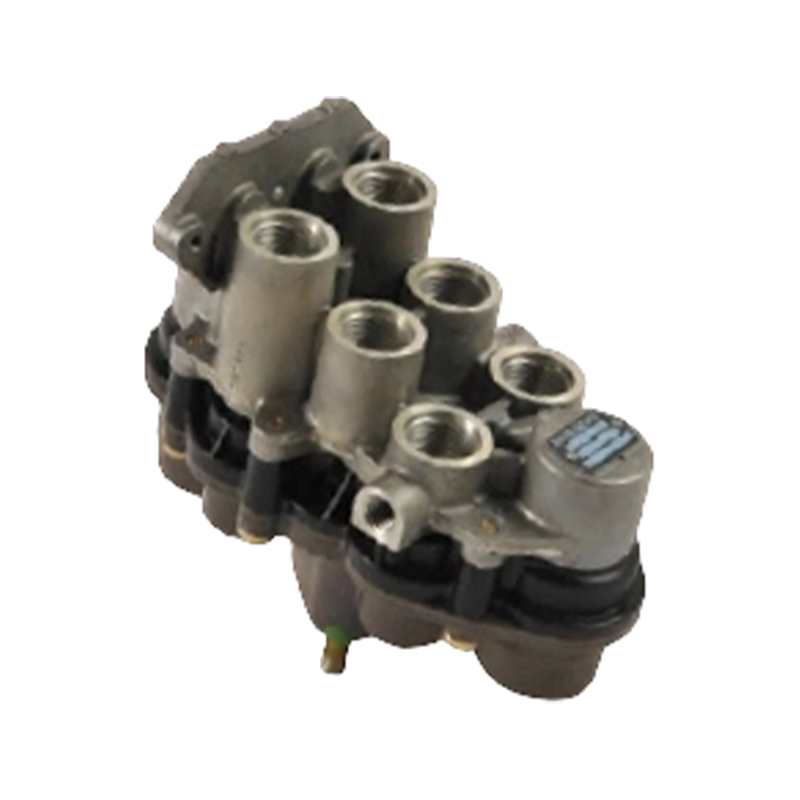
Electronic Braking System EBS Axle Modulators Wholesale

Electronic Braking System Components

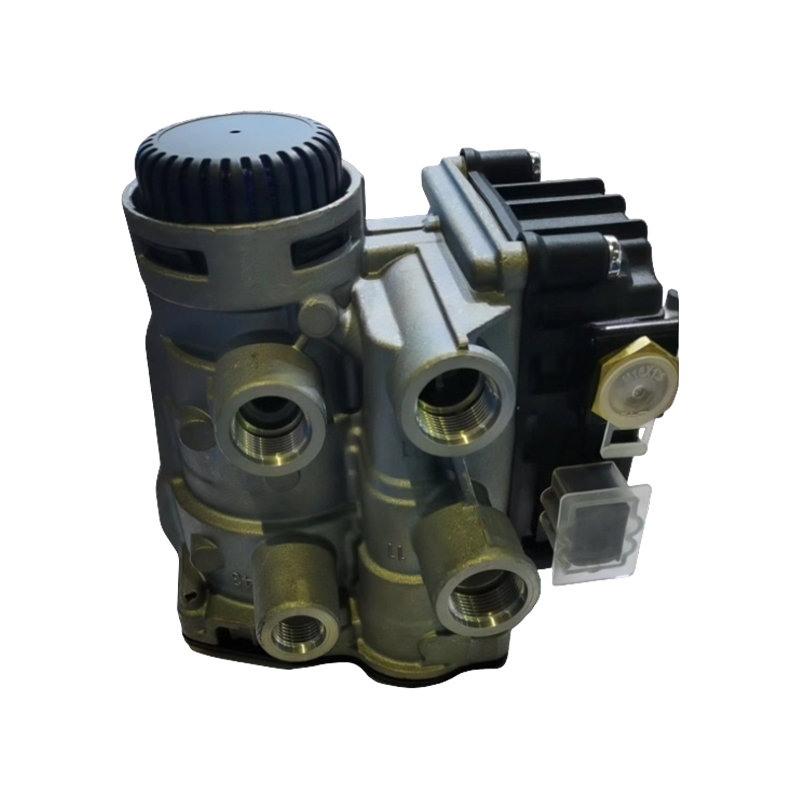
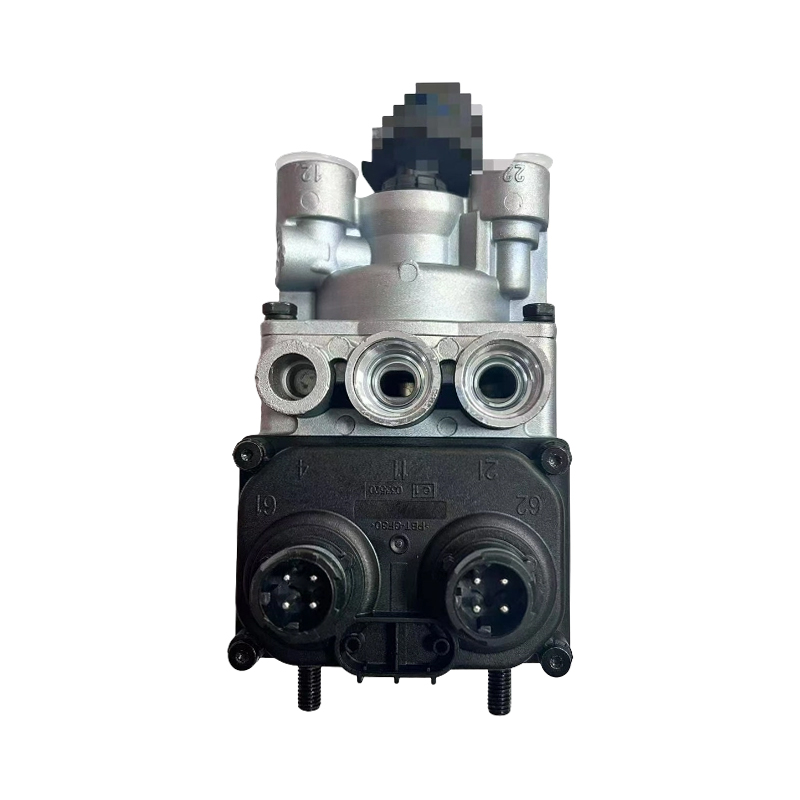
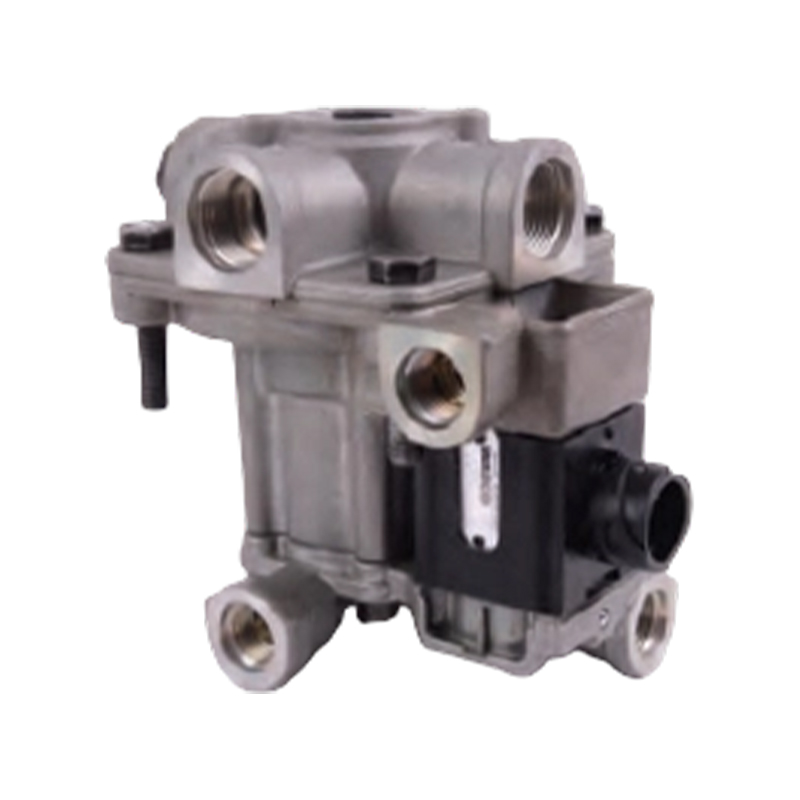
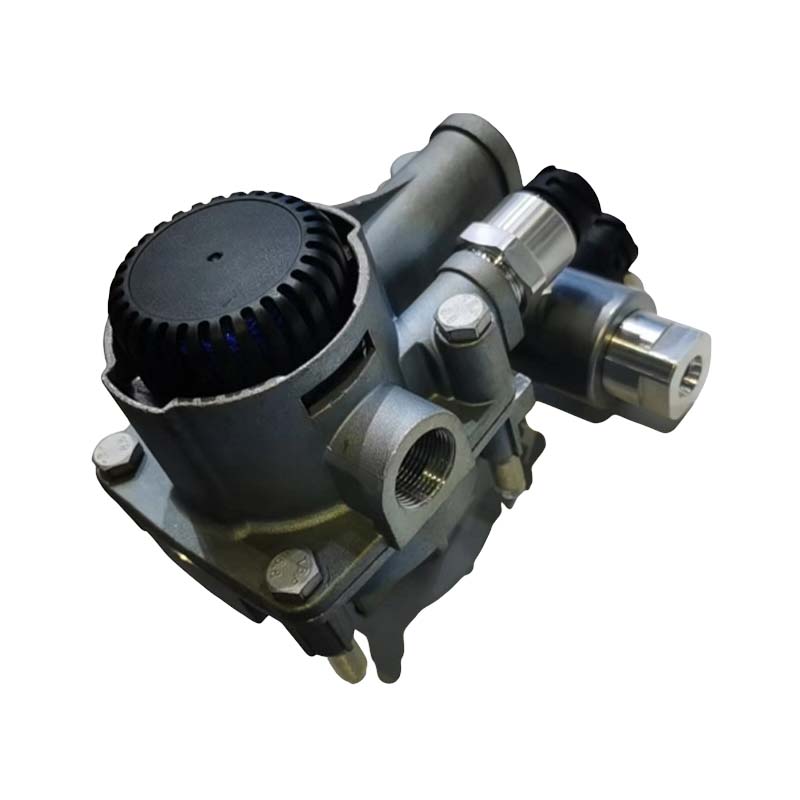
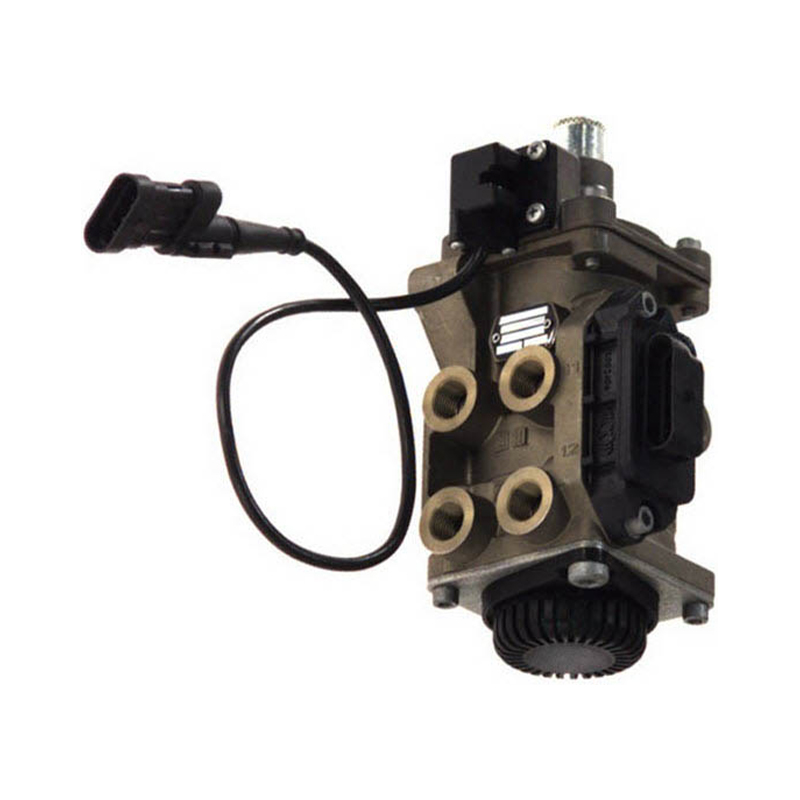
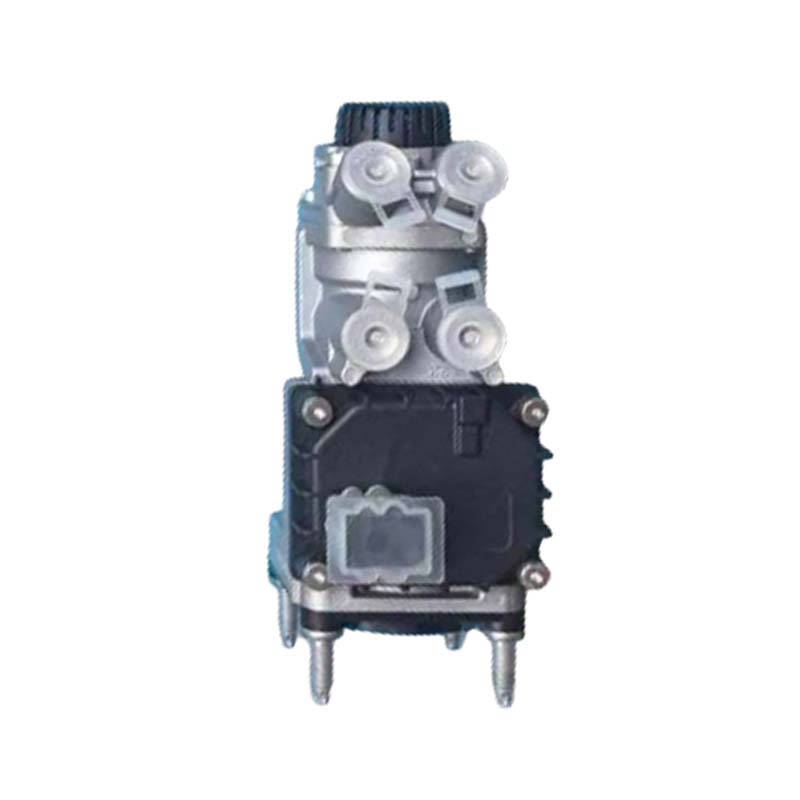
Electronic Braking System EBS Axle Modulators

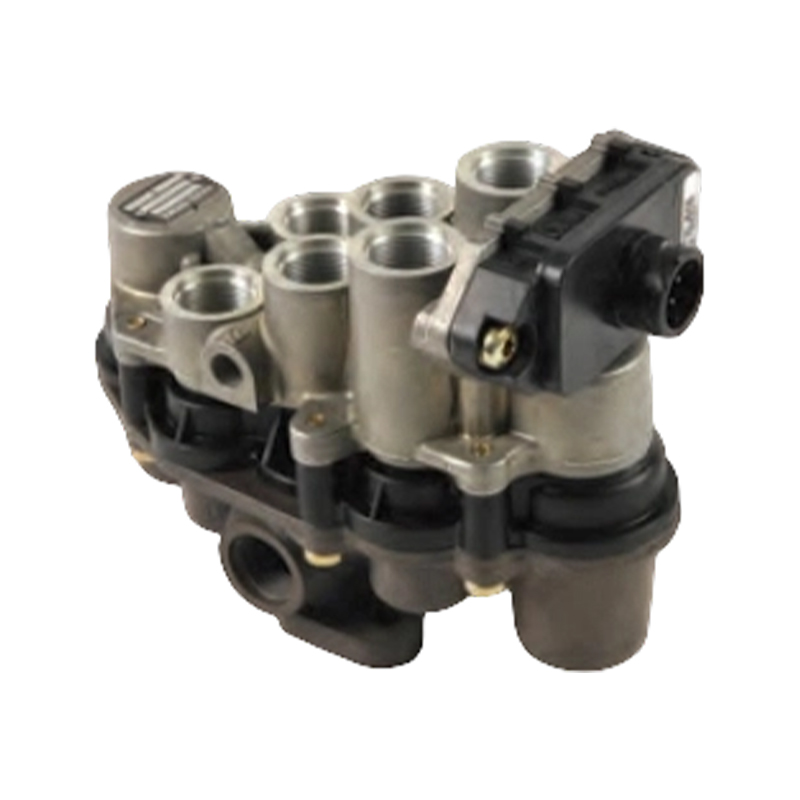
EBS axle modulators for trucks, tractors and trailers fitted with Electronic Braking Systems. They combine electronic brake force control, automatic load sensing and anti-lock protection in a single axle-mounted unit, with a pneumatic backup path if the electronics fail.

  • Front, rear and trailer axle modulator versions
  • Compatible with major EBS platforms by connector and software version
  • Complete units and seal kits supplied separately
2-in-1Load sensing and ABS in one unit
24VStandard supply voltage
100%Pneumatic and electronic function tested
48 HPlatform match reply within two working days
Product Overview

What Is an EBS Axle Modulator?

Definition

An EBS axle modulator is the electronically controlled valve that delivers brake pressure to one axle of a truck, tractor or trailer under an Electronic Braking System. Unlike a plain ABS modulator, it does not only prevent wheel lock; it also calculates and applies the correct brake pressure for that axle in normal driving, based on signals from the brake pedal sensor, the load sensor and the central EBS control unit, and blends in anti-lock control automatically when needed.

A conventional air brake system uses pneumatic relay valves and mechanical load sensing valves to work out how much pressure each axle should get. Electronic Braking System vehicles do that calculation electronically instead. A central control unit reads the driver's pedal demand, the load on each axle and the wheel speeds, and sends an electrical command to an axle modulator at each axle. The modulator is both the calculator's local agent and the pneumatic valve that turns the command into brake chamber pressure, all within a fraction of a second of the driver pressing the pedal.

Electronic Demand, Pneumatic Delivery

The axle modulator receives its brake demand as an electrical signal rather than as air pressure travelling down a pipe from the pedal valve. Inside the modulator, a relay-valve style pneumatic stage converts that electrical demand into actual chamber pressure, drawing air from a nearby reservoir just as a conventional relay valve would. This combination gives the speed advantage of electronic signalling with the high flow capability of a local pneumatic supply.

Built-In Load Sensing and ABS

Because the modulator already has an electronic input for axle load, usually from an air suspension pressure sensor, it can adjust brake pressure for laden or unladen conditions without a separate mechanical load sensing valve. The same electronics also monitor wheel speed sensors at that axle and intervene with hold, dump and reapply commands if a wheel starts to lock, so the modulator effectively combines EBS pressure control and ABS anti-lock protection in one unit.

Pneumatic Backup

Regulations require that a failure of the electronic system must not leave the vehicle without brakes. Every EBS axle modulator therefore retains a pneumatic backup path. If the electronic signal is lost, the modulator falls back to acting as a standard pneumatic relay valve, driven directly by the backup air line from the foot brake valve, so the driver retains conventional braking, without electronic refinement, until the fault is repaired.

CAN Bus Communication

Modern axle modulators communicate with the central EBS control unit over a vehicle CAN bus rather than through dedicated point-to-point wiring for every signal. This lets one modulator report wheel speed, pressure and internal diagnostic status on a shared network, and it means a modulator replacement must match not only the mechanical and electrical interface but also the software behaviour expected by the specific EBS platform.

Front, Rear and Trailer Applications

Front axle modulators, rear axle modulators and trailer axle modulators often differ in flow capacity, load sensing configuration and software parameters, even where they share a similar physical design. A front axle modulator moved to a rear axle position, for example, may apply an incorrect brake force curve even if the ports happen to fit.

Matching a Replacement Modulator

Match the EBS platform and software version, the axle position (front, rear or trailer), the connector type, the port thread and flow rating, and the load sensor interface. Where possible, retrieve the original part number from the vehicle's parts catalogue rather than the physical part alone, since externally similar modulators can carry different internal calibration.

  • Fit point: at the axle, within an EBS-equipped vehicle
  • Function: electronic brake force control plus ABS
  • Signal source: CAN bus from central EBS control unit
  • Built-in functions: load sensing, anti-lock control
  • Backup: pneumatic relay function if electronics fail
  • Service parts: connector, seal kit, complete unit replacement

Technical Data

EBS Axle Modulator Model Range

Standard configurations below. Platform-specific software and connector variants can be supplied to match your EBS system.

Table 1 — Genuine gzbrake.com Ref NO. and OE cross-reference data for representative European ABS & EBS Valve products.

Ref NO.Product NameApplicationTechnical SpecificationOE / Cross-Reference (Sample)Cross-Ref. CountProduct Line
4802050010Precision EBS Electronic Braking Relay ValveMERCEDESPort 1,2 = 3xM22x1.5VOSS,Port 41,42,43 = 3xM16x1.5VOSS,Voltage = 12V DC,Socket: Bayonet...MERCEDES:00442991441European ABS & EBS Valve
480 003 000 0EBS Brake Signal Transmitter – European Platform Version————European ABS & EBS Valve
480 001 000 0EBS Electronic Foot Brake Valve————European ABS & EBS Valve
480 003 059 0EBS Brake Signal Transmitter————European ABS & EBS Valve
480 106 701 0Single-channel EBS axle brake modulator————European ABS & EBS Valve
480 106 201 0EBS Dual-Channel Axle Brake Modulator – 4th Generation————European ABS & EBS Valve
480 204 031 0EBS Electronic Brake System Trailer Control Valve————European ABS & EBS Valve
480 207 001 0EBS Trailer Pneumatic Brake Relay Valve————European ABS & EBS Valve

Ref NO. and cross-reference numbers above are drawn directly from our European ABS & EBS Valve product range on gzbrake.com. Cross-reference lists are sampled for space; contact us with your vehicle's OE number or chassis details for the complete, current cross-reference list and stock availability.

Common EBS Platform and Vehicle Coverage

WABCO EBS SystemsKnorr-Bremse EBS SystemsHaldex EBS SystemsMercedes-Benz ActrosMAN TGXScania R-SeriesVolvo FHDAF XFIveco StralisRenault T-SeriesSchmitz Cargobull EBS TrailerKrone Trailer EBSKögel Trailer EBSBPW EBS Axle SystemsSAF EBS Axle SystemsSetra CoachNeoplan BusMAN Lion's City
About Us
Zhejiang Gongzheng Machinery Co., Ltd.
Zhejiang Gongzheng Machinery Co., Ltd. is professional China Electronic Braking System EBS Axle Modulators Manufacturers and Wholesale Electronic Braking System EBS Axle Modulators Factory. Our core products include ABS (Anti-lock Braking System) and EBS (Electronic Braking System) control units, air dryers, air brake valves, and spring brake chambers, designed to meet the rigorous demands of the global commercial vehicle industry.

With advanced production technology, strict quality control, and a commitment to innovation, we provide reliable and efficient solutions for truck and trailer manufacturers worldwide. Our products comply with international standards, ensuring safety, durability, and superior performance in diverse operating conditions.

Key Products:
ABS & EBS Control Systems – Enhancing vehicle safety and stability.
Air Dryers – Ensuring clean, moisture-free air for braking systems.
Air Brake Valves – Precision-engineered for optimal braking performance.
Spring Brake Chambers – Robust design for heavy-duty applications.
At Zhejiang Gongzheng Machinery, we prioritize customer satisfaction, technological advancement, and sustainable growth. Partner with us for trusted braking solutions that drive excellence.

Safety. Reliability. Innovation.
  • 0m2
    Factory Area
  • 0+
    Founded In
  • 0+
    Number of Employees
  • 0+
    Customer Service
Working Principle

How an EBS Axle Modulator Controls the Axle

The modulator turns an electronic brake demand into the correct pneumatic pressure at the wheel. Five stages describe one brake application.

Demand Calculated

The central EBS control unit reads pedal position, axle load and other inputs and calculates the target pressure for this axle, sending it to the modulator over the CAN bus.

Pneumatic Stage Responds

The modulator's internal relay-valve stage opens its inlet seat and admits air from the local reservoir, building chamber pressure toward the electronic target.

Pressure Confirmed

An internal pressure sensor measures the actual chamber pressure and reports it back, letting the control unit fine-tune the demand if needed.

ABS Intervention if Required

If a wheel speed sensor at this axle shows a lock tendency, the modulator's own logic overrides the demand locally with hold, dump and reapply commands.

Backup on Electronic Failure

If the CAN signal is lost, the modulator switches to acting as a plain pneumatic relay valve, driven by the backup air line, so basic braking is preserved.

What Happens When an EBS Axle Modulator Fails

  • A modulator that loses CAN communication should fall back to pneumatic backup, but a fault in the backup path leaves that axle with reduced or no braking.
  • A failed internal pressure sensor can cause the control unit to apply incorrect pressure to compensate for a signal it believes is wrong.
  • A stuck internal relay stage produces the same dragging or weak-braking symptoms as a conventional relay valve fault.
  • Corrosion at the CAN or power connector causes intermittent faults that are difficult to reproduce with the vehicle stationary.
  • A software or configuration mismatch after a replacement can cause the axle to brake with the wrong force curve even though the modulator itself is functioning correctly.
Product Features

Engineered for Electronic Control With Full Pneumatic Backup

An EBS axle modulator must perform two jobs reliably: precise electronic control most of the time, and dependable pneumatic braking if the electronics ever fail.

Integrated Load Sensing

An onboard sensor interface removes the need for a separate mechanical load sensing valve at that axle.

Combined ABS Function

Wheel lock protection is handled locally within the modulator, reducing the response time compared with a purely centralised system.

Full Pneumatic Backup

A dedicated backup air path preserves service braking if the electronic control signal is ever interrupted.

CAN Bus Interface

Standard CAN communication lets the modulator report pressure, wheel speed and diagnostic status to the central control unit.

High-Flow Pneumatic Stage

A relay-valve style internal design gives fast, high-flow delivery to the brake chambers at that axle.

Platform-Matched Calibration

Units are supplied matched to the software and connector requirements of specific EBS platforms.

Selection Guide

How to Choose the Right EBS Axle Modulator

Five checks decide whether the modulator integrates correctly with the vehicle's EBS control unit and axle layout.

  • 01

    Confirm the EBS platform and software version

    The connector, CAN protocol and internal calibration are all specific to a platform and software version. This is the most important match to get right.

  • 02

    Identify the axle position

    Front, rear and trailer axle modulators often carry different load sensing configuration and flow ratings, even on the same platform.

  • 03

    Check the connector and pin count

    Compare the physical connector and pin arrangement with the vehicle harness before ordering.

  • 04

    Verify the port thread and flow rating

    Confirm the pneumatic port thread and the flow capacity needed for the brake chambers at that axle.

  • 05

    Retrieve the OEM part number where possible

    The parts catalogue reference remains the most reliable way to identify a modulator that looks similar to several other variants.

Table 2 — Axle position and typical EBS modulator role.

Axle PositionTypical RoleNote
Tractor front axlePressure control, no load sensingConfirm connector against control unit
Tractor rear axlePressure control with load sensingHigher flow on 12.5 bar systems
Trailer axle groupCombined EBS and ABS controlConfirm trailer EBS connector type
Rigid truck rear axlePressure control with load sensingMatch to chassis EBS platform
Bus rear axlePressure control with load sensingOften integrated with kneeling and door systems

Roles are typical and vary by EBS supplier and vehicle platform. Always confirm against the vehicle's electronic system documentation.

Applications

Where These EBS Axle Modulators Are Fitted

Any vehicle equipped with an Electronic Braking System uses an axle modulator at each controlled axle. Here are the axle positions and vehicle types we see most.

Tractor Units

Front and rear axle modulators work together with the central EBS control unit to give precise, load-adjusted braking at each axle.

EBS Semi-Trailers

Trailer axle modulators combine load sensing and ABS in a single unit, replacing a mechanical load sensing valve and a separate ABS modulator.

Rigid Trucks with EBS

Distribution and construction trucks with electronic braking rely on axle modulators for both pressure control and anti-lock protection.

Draw-Bar Trailers

Multiple axle groups on a draw-bar trailer may each carry their own axle modulator, communicating with a single trailer EBS control unit.

City Buses and Coaches

Precise brake force control improves passenger comfort during braking, and integration with the EBS platform supports other vehicle functions.

Vocational and Construction Vehicles

EBS platforms on tippers and mixers give consistent braking despite frequently changing loads.

Fleet EBS Retrofits

Upgrading older air brake systems to EBS, where supported by the chassis, uses matched axle modulators at each axle.

Fleet Overhauls

Replacing an axle modulator restores full electronic brake control and anti-lock protection on higher-mileage EBS vehicles.

Installation

Installation Notes for Workshops

An EBS axle modulator interacts with vehicle software as well as air lines, so a careful process avoids new fault codes and incorrect brake behaviour.

Read the EBS Diagnostic Log

Connect the manufacturer's diagnostic tool and record all stored codes and the current software version before starting work.

Depressurise and Isolate

Drain the relevant reservoir and disconnect the vehicle battery or isolate power before disconnecting the modulator's electrical connector.

Label All Connections

Mark the CAN connector, any separate power connector, and every pneumatic port before removal.

Fit New Seals

Renew pneumatic port seals on installation, even where the modulator itself has not previously leaked.

Confirm Software Compatibility

Check whether the replacement modulator requires configuration or coding through the diagnostic tool before it will communicate correctly.

Clear Codes and Road Test

Clear stored fault codes, road test under light and moderate braking, and confirm no new codes are generated.

Quality
Components
Service Life
Professionalism
Delivery
Customization
Inventory
Why Gongzheng Only

By cooperating with us, you can obtain

Your Single Source for Braking Performance and Safety.

The ISO quality management system covers every process. We have obtained certifications such as Germany's TUA, ensuring that both original equipment and after-sales products meet the strict quality standards of commercial vehicle manufacturers.

Quality

Over 70% of the components for our products are manufactured in-house, which guarantees product quality.

Components

High-quality raw materials, precise calculation, professional design, and strict production testing ensure that all products manufactured by Gongzheng Jinggong are durable.

Service Life

We have long provided direct supporting services for large enterprises. Our long-term close cooperation with commercial vehicle brands and manufacturers in R&D and testing has made us more professional and experienced.

Professionalism

Automated production and accurate, fast logistics services are sufficient to meet customer requirements.

Delivery

We have an independent R&D team. In addition to standard parts, we also offer customization services to meet customers' special needs.

Customization

We maintain a standing inventory of over 200,000 units, enabling us to handle large-volume orders and urgent orders.

Inventory
Maintenance

EBS Diagnostic and Pneumatic Inspection Schedule

Because the modulator combines electronic and pneumatic functions, both sides need to be checked on a routine basis.

Table 3 — Recommended inspection and replacement schedule for EBS axle modulators.

ItemIntervalWhat to Check
EBS warning lampEvery tripA lamp that stays on after start-up indicates a stored fault that needs investigation.
Diagnostic fault code scanEvery 12 monthsRead stored and pending codes for every axle modulator on the vehicle.
CAN connector conditionEvery 12 monthsCheck for corrosion, bent pins and secure locking at each modulator connector.
Pneumatic backup testEvery 12 monthsSimulate a loss of electronic signal where the diagnostic tool allows, and confirm pneumatic backup braking still functions.
Air leakageEvery serviceListen for continuous hiss at the modulator body, which suggests a worn internal seal.
Load sensor signalEvery 12 monthsConfirm the axle load reading changes correctly as the vehicle is loaded and unloaded.
Mounting and bracketAnnual inspectionCheck for loose brackets and cracked mounting points, particularly on vocational vehicles.

We supply connectors, seal kits and complete replacement axle modulators for every model listed on this page.

Diagnostics

EBS Axle Modulator Troubleshooting Guide

Because the modulator sits between the electronic control unit and the pneumatic brake chambers, faults can originate on either side, so a systematic check saves time.

Table 4 — Common EBS axle modulator symptoms, causes and corrective actions.

SymptomLikely CauseRecommended Action
EBS warning lamp stays onFault code stored for a modulator, sensor, load sensor or CAN wiring circuit.Scan for fault codes and test the indicated component before replacing the modulator.
Axle brakes weakly regardless of loadLoad sensor signal not reaching the modulator, or an internal fault ignoring the load input.Test the load sensor signal at the modulator connector before replacing the unit.
Vehicle reverts to basic braking onlyLoss of CAN communication has triggered the pneumatic backup mode.Check the CAN wiring and connector for that axle before assuming the modulator itself has failed.
One wheel locks under hard brakingLocal ABS function within the modulator not intervening correctly, or a faulty wheel speed sensor.Test the wheel speed sensor signal first, then check the modulator's ABS response.
Continuous hiss from the modulatorWorn internal pneumatic seal or a cracked housing.Replace the modulator or the pneumatic seal kit if available for that model.
New fault code after modulator replacementSoftware or configuration mismatch between the new modulator and the control unit.Check whether the replacement requires coding through the diagnostic tool.
Braking feels different after a component swapModulator from a different axle position or platform variant fitted by mistake.Confirm the axle position and platform match against the OEM part number.
Intermittent EBS fault only on rough roadsLoose CAN connector or chafed wiring aggravated by vibration.Inspect and secure the wiring harness along the chassis near the modulator.

If a fault code returns after the modulator is replaced, check the wheel speed sensor, the load sensor and the CAN wiring on that axle before assuming a second modulator fault.

Terminology

EBS Axle Modulator Glossary

Plain-language definitions of the terms you will see on EBS wiring diagrams, diagnostic tools and part listings.

EBS
Electronic Braking System, an integrated system that controls brake force electronically at each axle and combines it with anti-lock protection.
Axle Modulator
The valve at each axle that converts electronic brake demand into pneumatic chamber pressure under EBS control.
Central Control Unit
The main electronic module that calculates brake demand for each axle based on pedal, load and speed signals.
CAN Bus
A shared vehicle communication network used by the control unit and modulators to exchange data.
Pneumatic Backup
The fallback mode in which the modulator behaves as a plain relay valve if electronic control is lost.
Load Sensor
A sensor, often reading air suspension pressure, that reports axle load to the modulator or control unit.
Wheel Speed Sensor
A sensor that measures wheel rotation speed, used for both EBS pressure control and ABS intervention.
Fault Code
A stored diagnostic record identifying a specific detected fault in the EBS system.
Software Configuration
Settings loaded into the control unit or modulator that define how it interprets and responds to signals.
Relay-Valve Stage
The internal pneumatic mechanism within the modulator that actually delivers air to the brake chambers.
Brake Force Distribution
The calculated division of braking effort between axles, handled electronically in an EBS system.
Diagnostic Tool
The equipment used to read fault codes, view live data and, where needed, configure an axle modulator.
Questions

Frequently Asked Questions

Twelve questions our distributors, workshops and fleet buyers ask most often about EBS axle modulators.

It receives an electronic brake demand from the central EBS control unit and converts it into the correct pneumatic pressure at that axle's brake chambers, while also handling load sensing and anti-lock protection locally.

A plain ABS modulator only intervenes to prevent wheel lock. An EBS axle modulator also calculates and applies normal brake pressure electronically and includes integrated load sensing, replacing several separate pneumatic components.

The modulator falls back to a pneumatic backup mode, acting as a conventional relay valve driven by a backup air line, so basic service braking is preserved without electronic refinement.

This is usually a sign of a software or configuration mismatch between the new modulator and the control unit, or a mismatch between the axle position or platform variant fitted and the one required.

Yes. If the load signal does not reach the modulator, braking may appear weak or inconsistent even though the modulator itself is functioning correctly, so the sensor should be checked first.

Some platforms require configuration or coding through a diagnostic tool before a new modulator communicates correctly. Check the specific requirement for your EBS platform before finishing the job.

Yes. Send the EBS supplier, software version if known, the axle position, and the vehicle make and model. Our technical team will confirm the matching modulator and reply within two working days.

Not usually. They often differ in load sensing configuration and flow rating, even when they look physically similar, so always confirm axle position before ordering.

Typical signs include an EBS warning lamp, weak or inconsistent braking at that axle, a wheel that locks under hard braking, or the vehicle reverting to pneumatic backup braking.

Yes. Trailer axle modulators for single and tandem axle groups are available, matched to common trailer EBS platforms and connector types.

Stocked modulators for common platforms can be ordered in small quantities and normally ship within 3 to 7 working days after payment. Platform-specific or coded variants are confirmed with a delivery date on the proforma invoice.

Yes. We can supply modulators with alternative connectors to match your platform, and package them in neutral cartons or under your own brand.

Need the right EBS axle modulator for your vehicle?

Send us the EBS platform, the axle position or a photo of the modulator and connector. We will get back to you with the matching part within 48 hours.