


 Français
 Español
 中文简体
 русский

Gongzheng
Gongzheng
Gongzheng
Gongzheng
Gongzheng
Gongzheng
Gongzheng
Gongzheng
Gongzheng
Gongzheng
Gongzheng
Gongzheng
Gongzheng
Gongzheng
Gongzheng
Gongzheng
European Levelling Valve
- European Commercial Vehicles
- European Air Dryer
- European Unloader Valve
- European Circuit Protection Valve
- European Pressure Limiting Valve
- European Foot Brake Valve
- European Hand Brake Valve
- European Relay Valve
- European Trailer Valve
- European Release Valve
- European Load Sensing Valve
- European Levelling Valve
- European Solenoid Valve & Sensor
- European Abs&Ebs Valve
- European EBS Axle Modulator
- European Quick Release Valve
- European Gearbox Valve
- European Control Valve&Checking Valve
- European Brake Chamber
- European Others
- European Condensor&Drain Valve
- American Commercial Vehicles
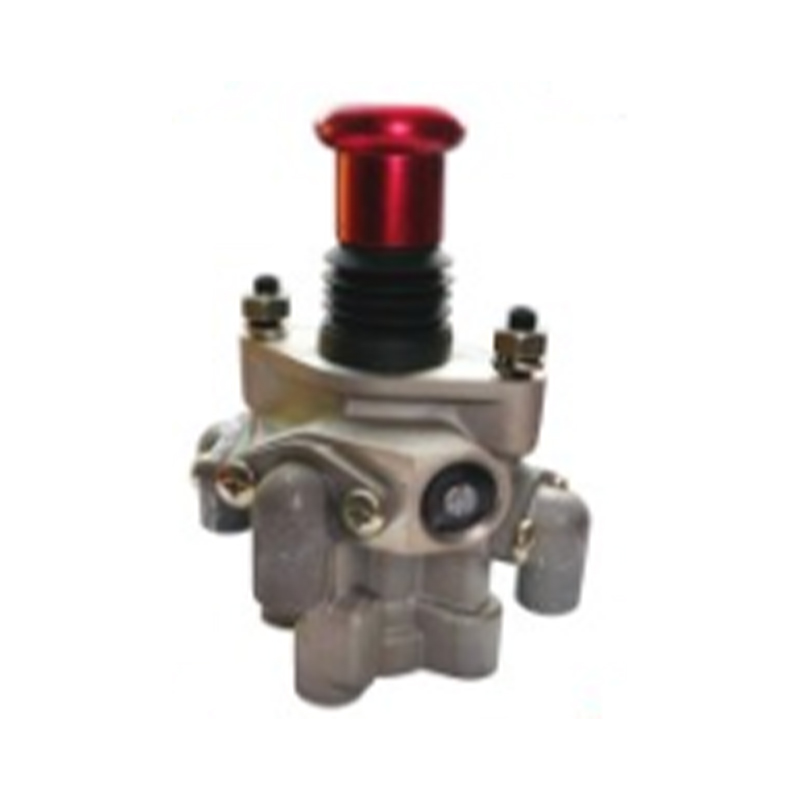
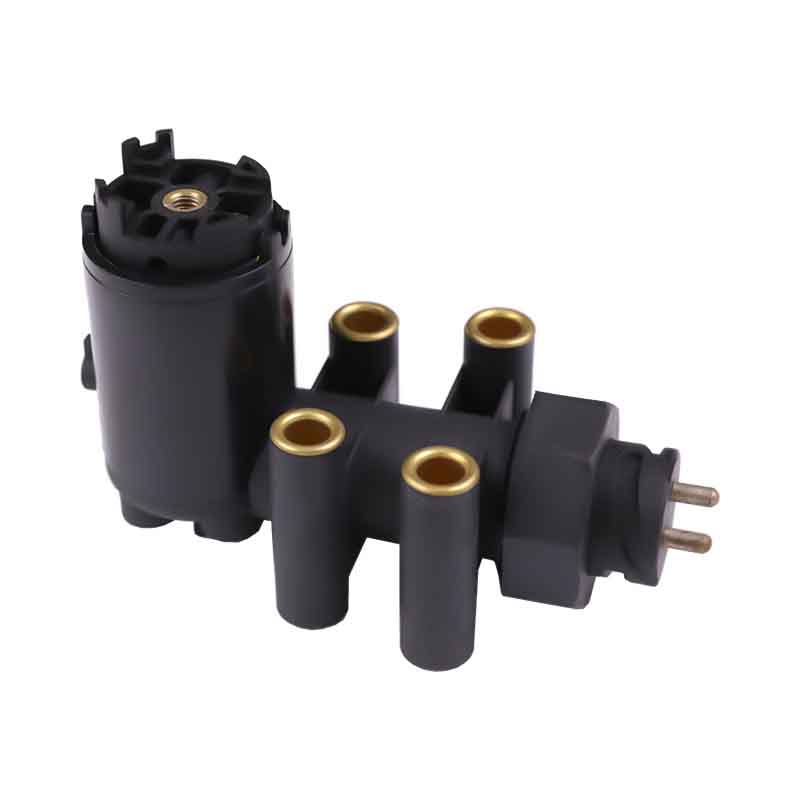
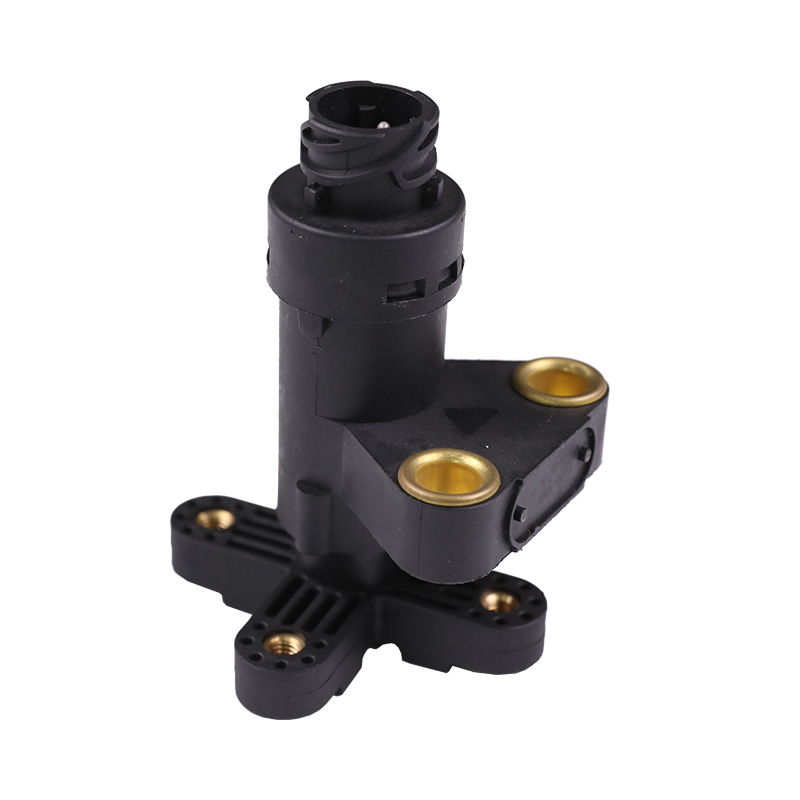
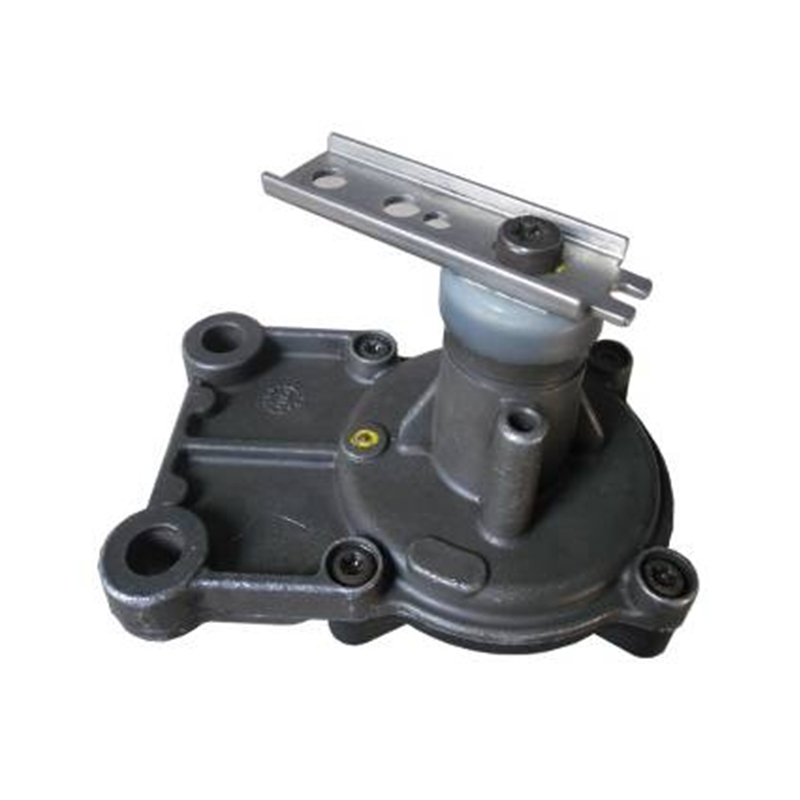
Height Control Valve Manufacturers
About Us
Zhejiang Gongzheng Machinery Co., Ltd.
Zhejiang Gongzheng Machinery Co., Ltd. is professional China Height Control Valve Manufacturers and Wholesale Leveling Valve Suppliers. Our core products include ABS (Anti-lock Braking System) and EBS (Electronic Braking System) control units, air dryers, air brake valves, and spring brake chambers, designed to meet the rigorous demands of the global commercial vehicle industry.
With advanced production technology, strict quality control, and a commitment to innovation, we provide reliable and efficient solutions for truck and trailer manufacturers worldwide. Our products comply with international standards, ensuring safety, durability, and superior performance in diverse operating conditions.
Key Products:
ABS & EBS Control Systems – Enhancing vehicle safety and stability.
Air Dryers – Ensuring clean, moisture-free air for braking systems.
Air Brake Valves – Precision-engineered for optimal braking performance.
Spring Brake Chambers – Robust design for heavy-duty applications.
At Zhejiang Gongzheng Machinery, we prioritize customer satisfaction, technological advancement, and sustainable growth. Partner with us for trusted braking solutions that drive excellence.
Safety. Reliability. Innovation.
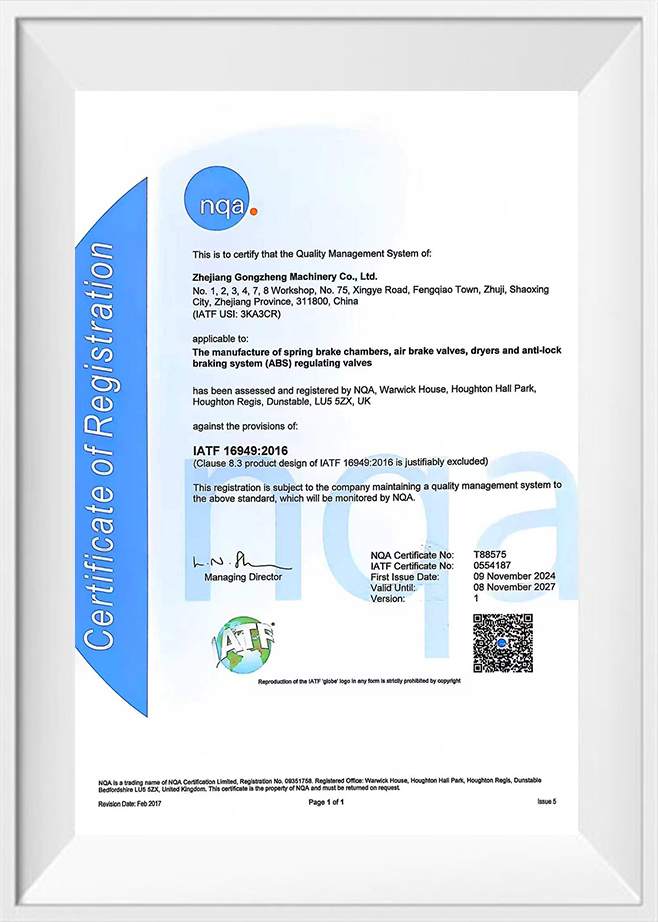
Certificate Of Honor
Message Feedback
European Levelling Valve Industry knowledge
European Levelling Valve Manufacturer – Zhejiang Gongzheng Machinery
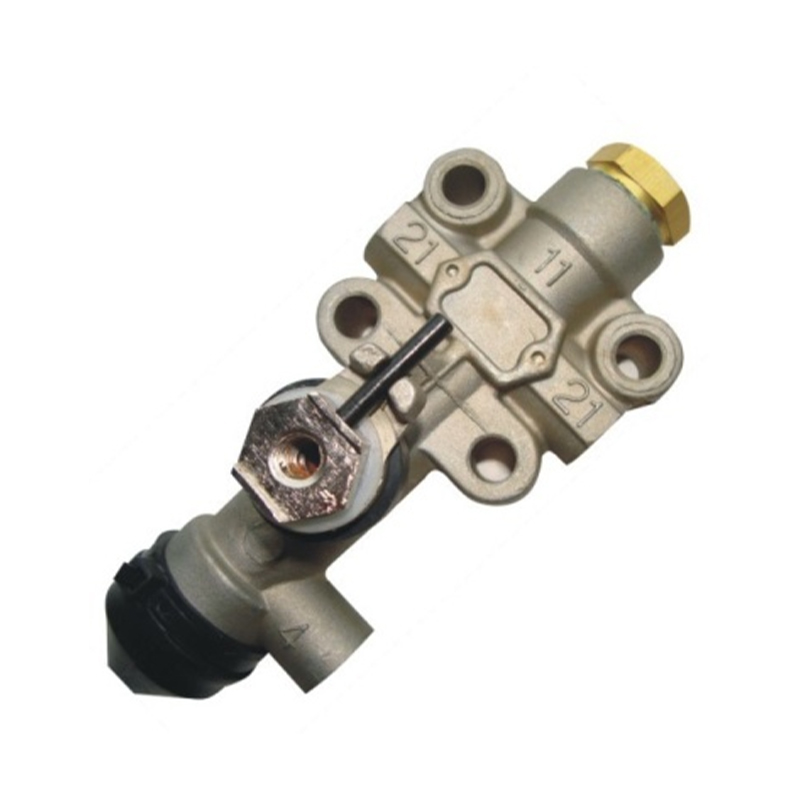
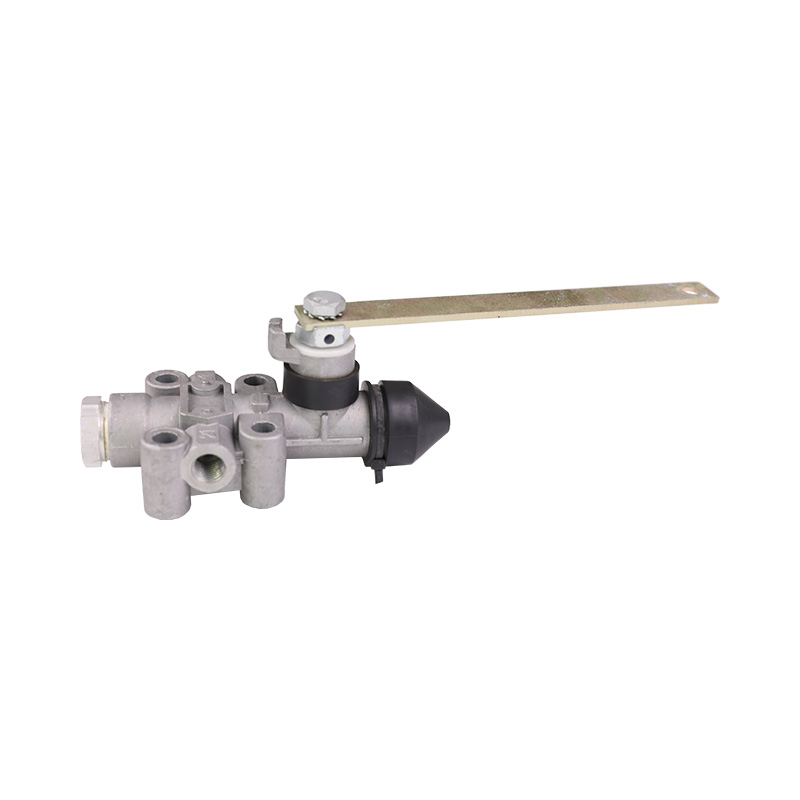
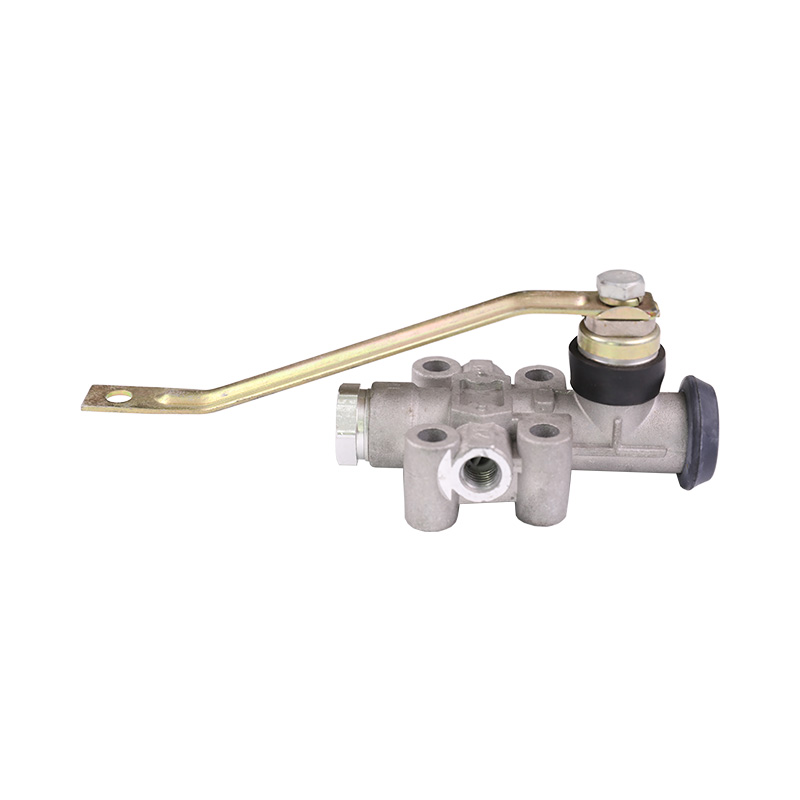
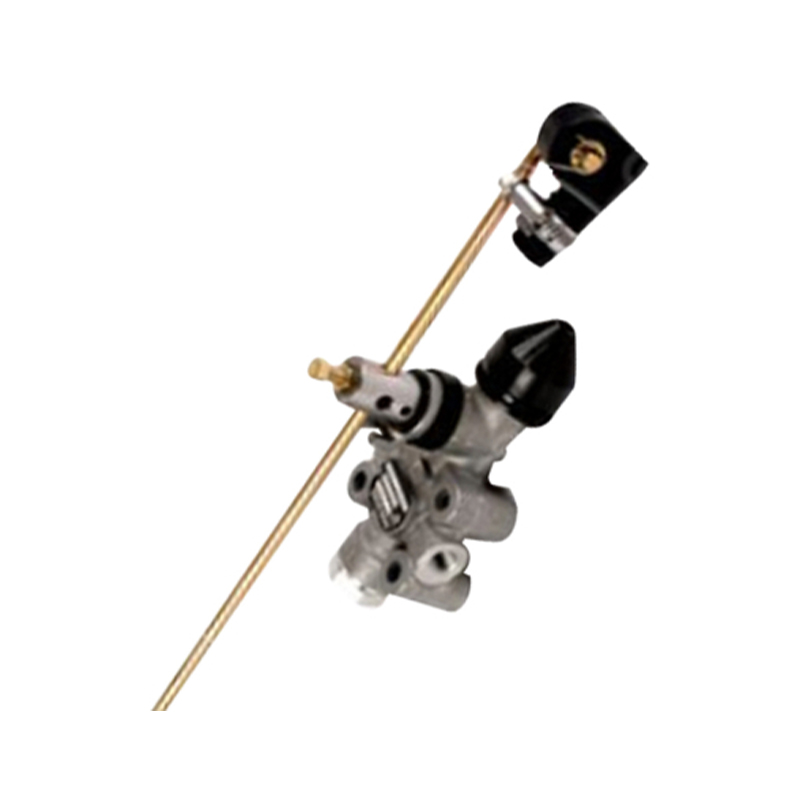
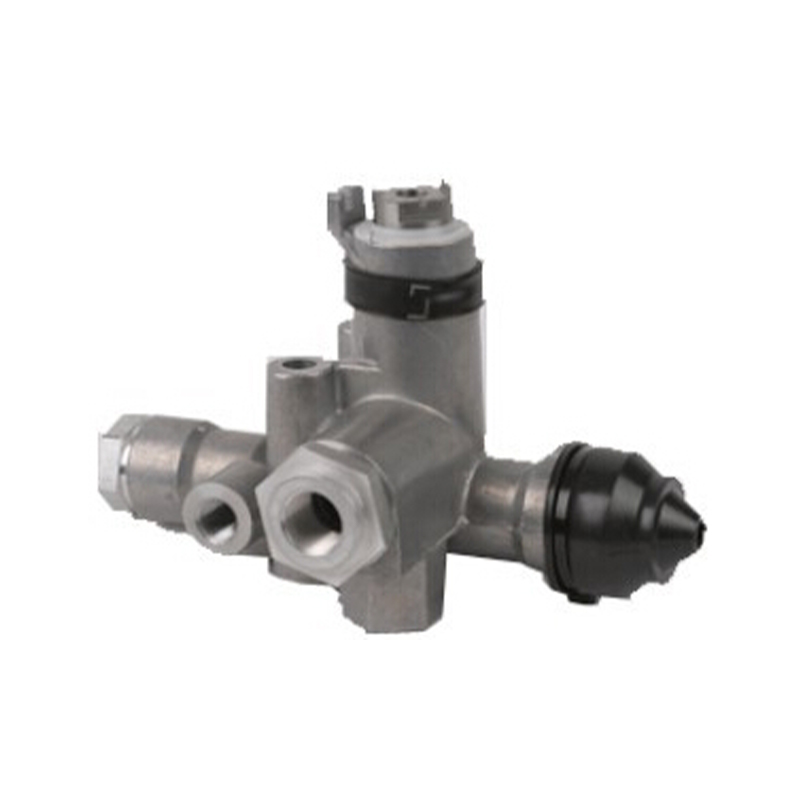
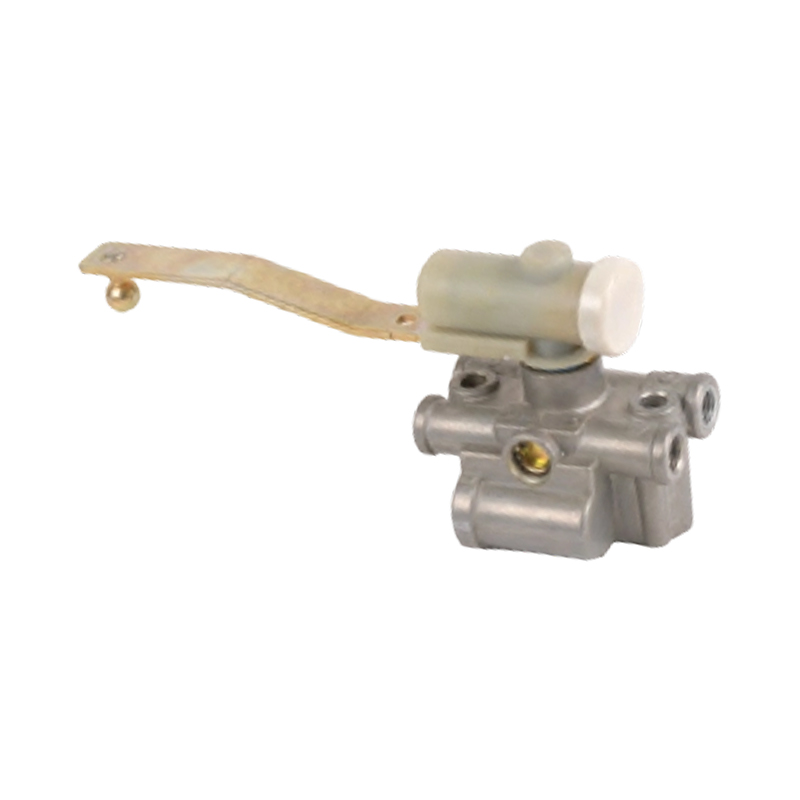
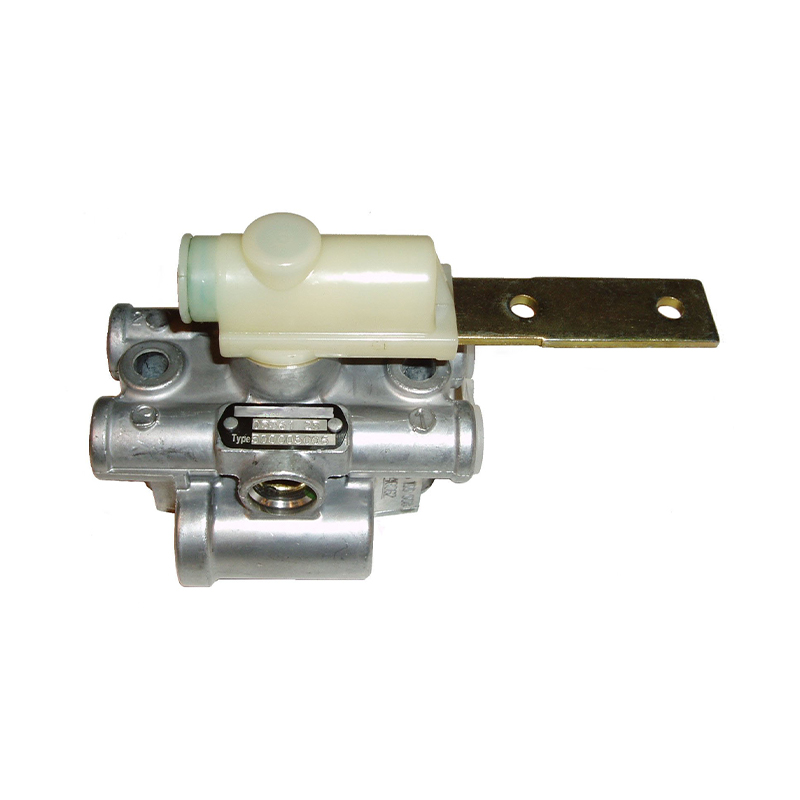
We are a professional European Levelling Valve manufacturer and supplier, producing height control valves for air suspension systems in heavy-duty trucks, buses, and trailers. Our range covers universal and platform-specific models for DAF, VOLVO, MAN, IVECO, SCANIA, MERCEDES, and RVI series. Each valve is engineered to maintain consistent ride height, improve stability, and reduce wear on suspension components.
We supply both standard and custom configurations for OEM projects and aftermarket distribution. Our factory integrates automated production lines and in-house testing to ensure every valve meets the operating pressure, flow, and durability requirements of European commercial vehicles.
Available Range of European Levelling Valves
We offer multiple subtypes to match different linkage types, port configurations, and response characteristics. The table below summarises our main product families and their typical applications.
| Product Type | Key Features | Target Application |
|---|---|---|
| Universal Levelling Valve | Multi-platform compatibility (DAF/VOLVO/MAN/IVECO), mechanical linkage, three-port design | General replacement for European trucks and trailers |
| High-Flow Rapid-Response Valve | Large internal orifice, fast inflation/exhaust, short dead band | Heavy-duty vehicles requiring quick level correction |
| Precision Linear Height Valve | Linear actuation, fine adjustment range, low hysteresis | Buses and coaches with sensitive ride height requirements |
| High-Temperature-Resistant Valve | Heat-resistant seals and housing, stable performance up to 120°C | Vehicles operating in hot climates or near engine compartments |
| Lift Axle / Trailer Leveling Valve | Integrated lift function, compact body, corrosion-resistant coating | Trailer air suspension and lift-axle control |
| Intelligent Electronic Sensing Valve | Electronic height sensor input, solenoid pilot control, CAN-ready | Modern EBS-equipped trucks and autonomous-ready platforms |
Application Fit and Process Considerations
European levelling valves are installed between the axle and chassis frame, using a mechanical linkage to sense relative movement. The valve ports connect to the air spring supply and exhaust. We configure the valve based on the vehicle's target ride height, lever length (e.g., 290 mm short lever), port orientation, and operating pressure range (typically 8–12 bar).
For retrofit or new-build projects, we confirm the following before selecting a model:
- Vehicle make and model – ensures linkage geometry and mounting pattern match.
- Air spring volume and pressure – determines flow capacity and response time.
- Linkage type – mechanical rod, cable, or electronic sensor interface.
- Port configuration – three-port (supply, delivery, exhaust) or multi-port for auxiliary functions.
- Environmental exposure – road salt, temperature extremes, or wash-down frequency.
Critical Specifications and Performance
Our levelling valves are designed to meet the following typical parameters:
- Operating pressure: 6–12 bar (tested to 15 bar burst pressure).
- Flow rate: Up to 1500 L/min at 8 bar for high-flow models.
- Dead band: ±1° to ±3° depending on lever ratio and internal damping.
- Temperature range: –40°C to +120°C (high-temp variant).
- Port threads: M16×1.5, M22×1.5, or 1/4" BSP as specified.
We validate each production batch with leak testing, functional response measurement, and cycle endurance testing (typically 1 million cycles).
Controls and Automation Integration
For vehicles with electronic suspension control (ECAS), we supply levelling valves with integrated solenoid pilots and position sensors. These valves interface directly with the vehicle's ECU via standard J1939 or CANopen protocols. Our engineering team can adapt the valve's electrical connector and signal range to match existing control units.
Quality Assurance and Compliance
Our quality management system is certified under IATF 16949. Each levelling valve is assembled in a clean environment and tested for internal leakage, external leakage, and actuation force. We maintain material certificates for all aluminium and stainless steel components. Upon request, we provide dimensional reports, functional test certificates, and material declarations.
Installation, Maintenance, and Support
Each valve is supplied with a mounting bracket, linkage rod, and installation instructions. We recommend checking lever free play and port seal integrity during routine brake system maintenance. Spare parts such as seal kits, lever arms, and mounting brackets are available from our inventory. For fleet operators, we offer bulk packaging and custom labelling.
Information We Use to Configure Your Solution
To prepare a quotation and select the correct valve, we need the following project data:
- Vehicle make, model, and year
- Current valve part number or sample photo
- Target ride height and lever length
- Air spring type and operating pressure
- Desired port thread and orientation
- Annual volume and delivery schedule
- Any special coating or certification requirements
Submit these details through our inquiry form, and our application engineers will respond with a configuration proposal and lead time within 48 hours.
Frequently Asked Questions
What is the difference between a universal and a platform-specific levelling valve?
Universal valves are designed with adjustable linkage and multiple port positions to fit several European makes (DAF, VOLVO, MAN, IVECO). Platform-specific valves have fixed geometry and port locations optimised for a single brand, such as SCANIA or MERCEDES, ensuring direct bolt-on replacement without modification.
Can you supply levelling valves with custom lever lengths or port threads?
Yes. We offer custom lever lengths (e.g., 290 mm, short lever for DAF/IVECO) and alternative port threads (M16, M22, 1/4" BSP). Provide your specifications, and we will adjust the design accordingly. Minimum order quantities apply for custom variants.
How do I know which levelling valve fits my truck?
Check the existing valve's part number, lever length, and port configuration. If the part number is unreadable, send us a photo with dimensions. Our team cross-references against our database of European commercial vehicle applications to identify the correct replacement.
What is the typical lead time for standard levelling valves?
Standard models are shipped within 15–25 working days from order confirmation. For large-volume orders or custom configurations, lead time is typically 30–45 working days. We maintain a standing inventory of over 200,000 units to support urgent requirements.
Do you provide OEM/ODM services for levelling valves?
Yes. We offer OEM and ODM services, including custom branding, packaging, and design modifications. Our R&D team can develop valves based on your samples or performance specifications. We hold IATF 16949 certification and can support PPAP documentation.
Related Products and Categories
Our portfolio also includes Products, European Commercial Vehicles, European Air Dryer for applications with different operating ranges, interfaces or integration requirements.
Copyright © Zhejiang Gongzheng Machinery Co., Ltd. All Rights Reserved.
