


 Français
 Español
 中文简体
 русский

Gongzheng
Gongzheng
Gongzheng
Gongzheng
Gongzheng
Gongzheng
Gongzheng
Gongzheng
Gongzheng
Gongzheng
Gongzheng
Gongzheng
Gongzheng
Gongzheng
Gongzheng
Gongzheng
Industry News
How Do You Properly Maintain a Brake Air Dryer to Prevent Air Brake System Failure

Content
In the safety operation system of modern heavy-duty trucks, the function of the air brake system air dryer is crucial. As the guardian of the braking system, its core task is to ensure the purity and dryness of compressed air, thereby ensuring the braking performance of the vehicle under various extreme conditions. Whether it is long-distance transportation or heavy-load operations, the requirements for air quality in the braking system are extremely strict. Any moisture, oil, or impurities entering the air path may lead to corrosion, freezing, or failure of pneumatic valves.
Core Working Principle of a Brake Air Dryer
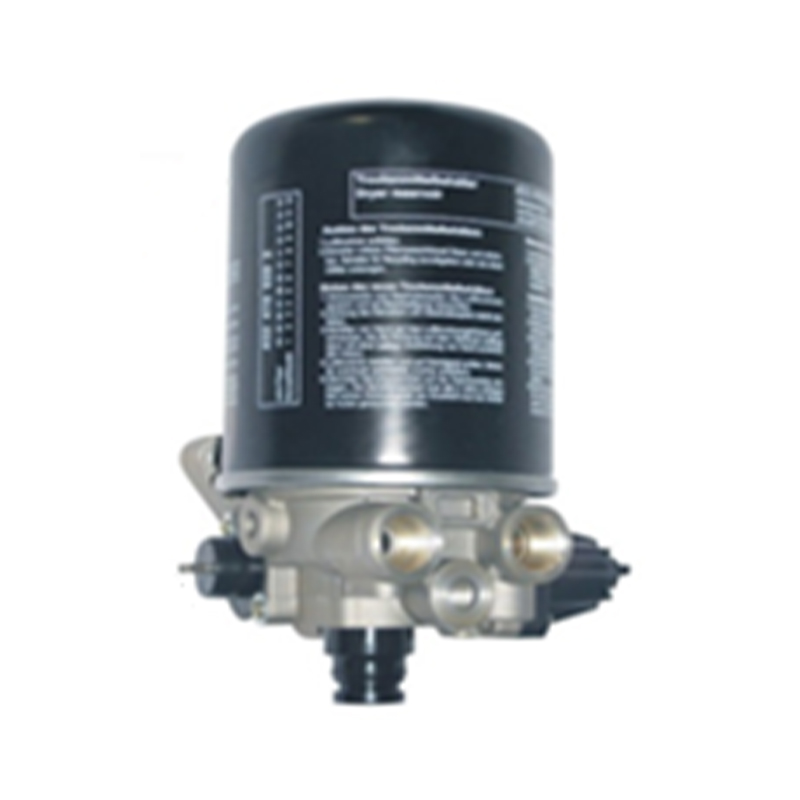
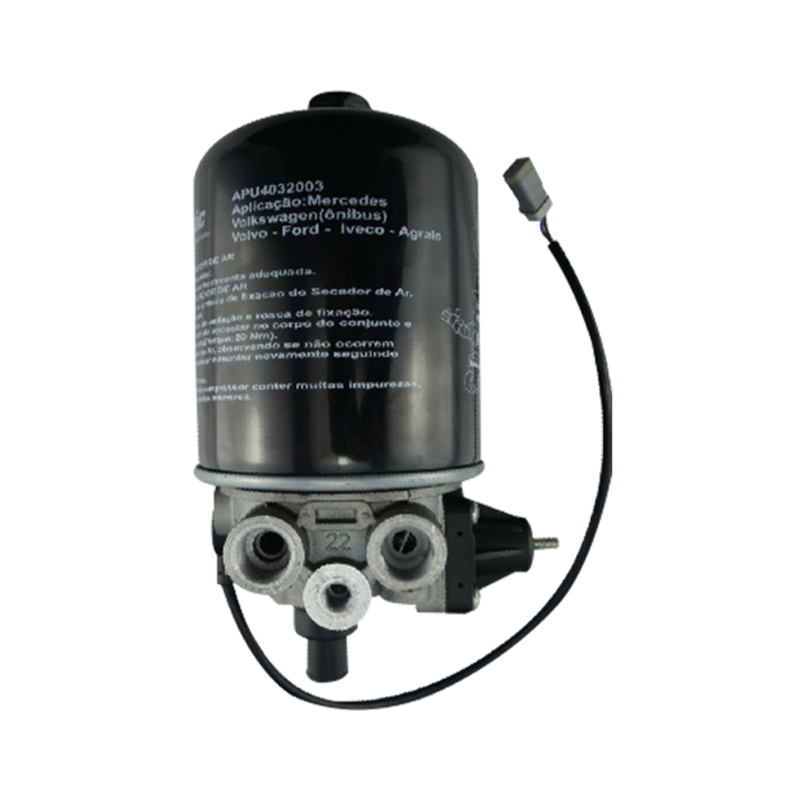
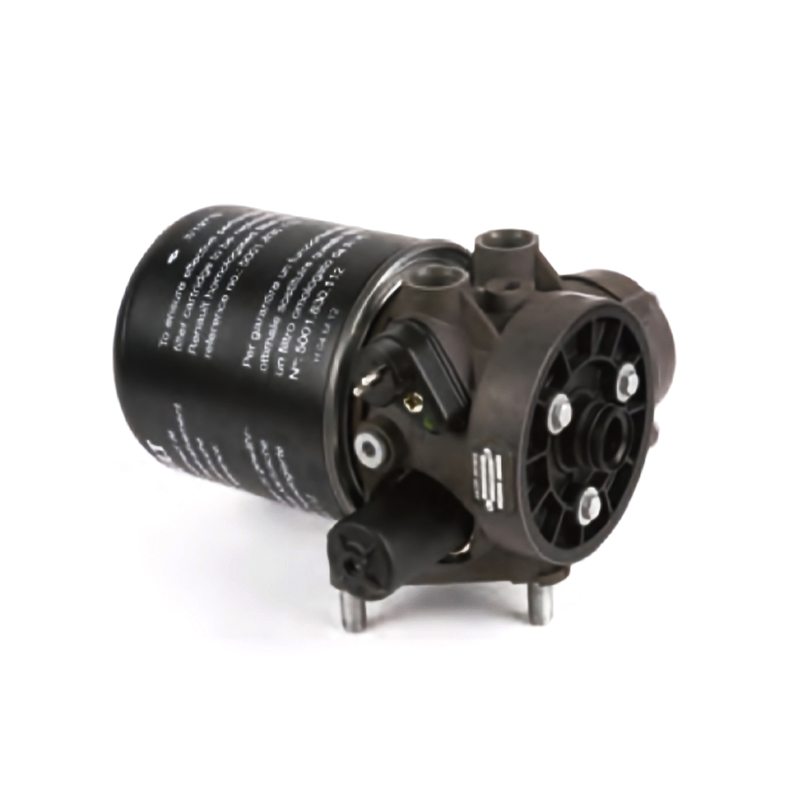
The main structure of a brake air dryer includes a filtering device and a desiccant cartridge. When the truck engine drives the air compressor to work, the generated compressed air carries a large amount of hot water vapor and tiny oil droplets. Before entering the air reservoir, this air first flows through the dryer. The high-performance desiccant (usually molecular sieve) filled inside the dryer can efficiently adsorb moisture in the air.
During the unloading cycle of the brake pump, the system automatically performs a purge operation, using part of the dry air in the cartridge to back-blow the filter element, discharging the previously adsorbed moisture and impurities through the exhaust port. This process ensures the dryness of the entire vehicle air path and directly determines the response speed of the braking system and the service life of the components.
Why an air brake air dryer is critical for trucks
In cold climate environments, the role of the air brake system air dryer is particularly prominent. If there is moisture in the air path, it is easy to freeze at low temperatures, causing brake air valves to stick, leading to brake failure or drag. In addition, moisture entering the air reservoir due to incomplete oil-water separation will accelerate internal corrosion of the air reservoir walls. Over time, this leads to thinning and air leakage of the reservoir walls, posing serious safety hazards.
Through an efficient air dryer for truck brakes, the following technical advantages can be achieved:
- Prevent air pipe freezing, ensuring sensitive braking action after cold starts.
- Extend the wear life of precision moving parts such as solenoid valves and relay valves in the air path system.
- Keep the opening and closing pressure of the air pressure regulating valve stable, reducing load fluctuations of the air compressor.
Key Technical Parameters Comparison Table
To ensure the accuracy of equipment selection and maintenance, the following are the key parameters for measuring the performance of the drying system:
| Technical Index | Dryer Type A (Standard) | Dryer Type B (High Efficiency) |
| Maximum Working Pressure (bar) | 12.5 | 14.0 |
| Moisture Adsorption Capacity (ml/kg) | 180 | 250 |
| Minimum Working Temperature (C) | -40 | -55 |
| Rated Air Flow (L/min) | 600 | 850 |
| Filter Replacement Cycle (km) | 50,000 | 80,000 |
Maintenance and Troubleshooting Suggestions
The performance of a brake air dryer is not permanent. As the saturation of the desiccant increases, its dehumidification capacity gradually declines. It is recommended that users strictly follow the following points for maintenance according to the vehicle operating environment:
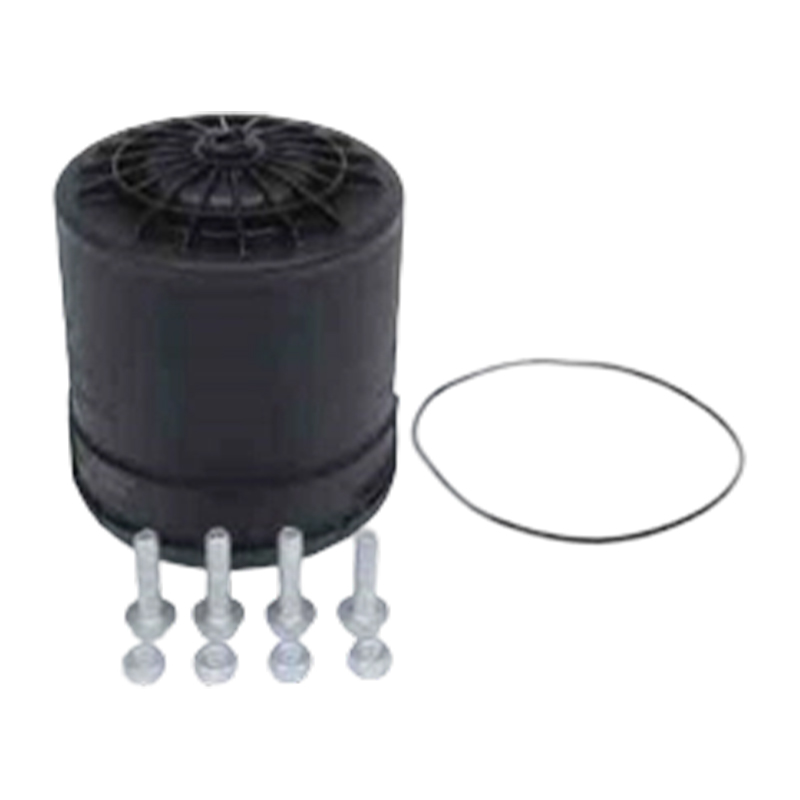
- Regular filter replacement: Even if the recommended mileage has not been reached, if a large amount of water is found when manually draining the air reservoir, it means the desiccant has failed and the desiccant cartridge must be replaced immediately.
- Exhaust port inspection: Focus on checking whether the exhaust port at the bottom of the dryer is clear. If abnormal frosting or blockage appears at the exhaust port, it will interfere with the automatic unloading process and cause abnormal internal system pressure.
- Air path tightness: When replacing the sealing ring of an air dryer for truck brakes, ensure the flatness of the installation surface to prevent the burden of continuous air compressor working pressure caused by minor leaks.
Our Main Products
Copyright © Zhejiang Gongzheng Machinery Co., Ltd. All Rights Reserved.
