


Gongzheng
Gongzheng
Gongzheng
Gongzheng
Gongzheng
Gongzheng
Gongzheng
Gongzheng
Gongzheng
Gongzheng
Gongzheng
Gongzheng
Gongzheng
Gongzheng
Gongzheng
Gongzheng


If you have ever had to refill a pump suction line before every start, you already understand the practical side of the question "what is the purpose of a foot valve?" In short, a foot valve is a one-way valve mounted at the bottom of a pump suction pipe. It keeps the pump primed, stops water from draining back to the source, and filters debris before it reaches the pump. This guide covers how foot valves work, where they are used, how to maintain them, and why the same valve family is essential in commercial vehicle air brake systems.
What Is a Foot Valve?
A foot valve is a one-way valve, technically a type of check valve, installed at the very bottom of a pump suction line. The "foot" in the name refers to its mounting position at the base of the pipe. In a typical water pumping arrangement, the valve body sits below the water surface, attached to the intake end of the suction hose or pipe.
Because the entire column of water above the valve presses down on it when the pump stops, the valve must close quickly and seal tightly. Most foot valves also include a built-in strainer or screen around the inlet. This combination — one-way flow control plus debris filtration — is what distinguishes a foot valve from a standard inline check valve.
What Is the Primary Purpose of a Foot Valve?
The purpose of a foot valve can be summarized in three functions:
- Prevent backflow: stop water from leaving the suction pipe when the pump is off.
- Maintain prime: keep the pump casing and suction line filled with liquid so the pump can start instantly.
- Filter debris: block sand, leaves, and sediment from entering the impeller and internal passages.
Of the three, maintaining prime is the most critical. Without a foot valve, gravity drains the suction pipe every time the pump shuts down. The pump then starts with air in the line, which prevents it from building suction and forces you to manually refill the pipe. Repeated loss of prime is not just an inconvenience; it can damage the pump.
How Does a Foot Valve Prevent Backflow?
The mechanism is fully automatic. When the pump starts, the impeller creates negative pressure inside the suction pipe. This pressure differential lifts the valve disc off its seat and allows water to flow upward into the pump. When the pump stops, the pressure differential disappears. The weight of the water column, plus spring tension in spring-loaded designs, presses the disc back onto the seat and forms a tight seal against a rubber gasket.
Two closing mechanisms are common. Spring-loaded poppets close quickly and suit deeper or dynamic systems. Flapper or gravity designs are simpler, quieter, and common in shallow well applications. Both do the same job: they allow water to move in one direction only.
Why Does a Pump Need to Stay Primed?
"Prime" describes the condition in which the pump body and suction line are completely filled with water and contain no air pockets. A pump moves liquid, not air. If air replaces water in the suction line, the pump loses its ability to pull more water upward and effectively runs dry.
A pump that repeatedly loses prime suffers real consequences. You must manually refill the system before every start. The pump body overheats because moving water no longer carries heat away. Mechanical seals wear prematurely, and the impeller can suffer cavitation damage as vapor bubbles collapse against it. In a multi-story building or a long irrigation line, these failures translate directly into downtime, repair cost, and wasted water. Keeping the foot valve in good condition is the simplest and cheapest way to avoid all of them.
Key Components of a Foot Valve
Understanding the parts of a foot valve helps you evaluate quality when buying and diagnose faults when the system misbehaves. Six components matter most:
- Body: the main housing, usually brass, stainless steel, or plastic. The material determines corrosion resistance and service life in different water chemistries.
- Disc or poppet: the moving element that opens under suction and closes under pressure.
- Spring: controls closing speed and holds the disc against the seat when the pump stops.
- Seat and seal: the machined surface and elastomer gasket, often NBR or FKM, that ensure a drip-tight shutoff.
- Strainer or screen: the perforated inlet that filters sand, leaves, and stones.
- Connection: the threaded or flanged outlet that attaches to the suction pipe. The inlet side normally has no fitting; the strainer serves as the intake.
Note that a foot valve has only one piping connection, on the outlet side. The inlet is open and protected by the strainer. This design is intentional: it lets the valve sit directly in the water source while keeping the screen easy to access for cleaning.
Common Applications of Foot Valves
A foot valve is needed whenever a pump draws water from a level lower than the pump itself. Common scenarios include:
- Shallow well jet pumps: the most typical application. The foot valve at the bottom of the well keeps the jet pump primed between cycles.
- Deep well installations: even when the pump sits below the water level, a foot valve holds the water column in place when the pump stops.
- Pond and lake intake: for irrigation, aeration, or livestock watering, the strainer blocks weeds and silt before they reach the pump.
- Cisterns and storage tanks: when a booster pump lifts water from a tank, the foot valve prevents backflow and keeps the line charged.
- Building water supply boosters: a primed suction line guarantees immediate water pressure at every tap in multi-story buildings.
- Industrial pump stations: for transfer, dosing, or process water, foot valves protect the pump and reduce operator intervention.
If the pump sits below the water level, in a flooded suction arrangement, a foot valve is less critical because gravity keeps the line full. The real need arises in suction-lift conditions, where the pump must pull water upward from a lower source.
Foot Valves Beyond Water Pumps: The Commercial Vehicle Connection
The term foot valve describes a device mounted at the "foot" of a system — at or near the bottom, where the operator reaches it by foot. In commercial vehicles, the same logic applies to a different component: the foot brake valve. On a truck or trailer with an air brake system, the foot brake valve mounts under the cab floor, directly beneath the driver's brake pedal.
When the driver presses the pedal, the foot brake valve modulates compressed air pressure in proportion to pedal travel. This regulated air flows to the brake chambers, which push the brake shoes against the drums, or the pads against the discs, to slow the vehicle. Release the pedal, and the valve exhausts the air, releasing the brakes. The precision of this pressure modulation determines braking comfort and, more importantly, braking safety.
For a deeper look at the internal structure and operating principle, read our detailed guide to foot brake valves.
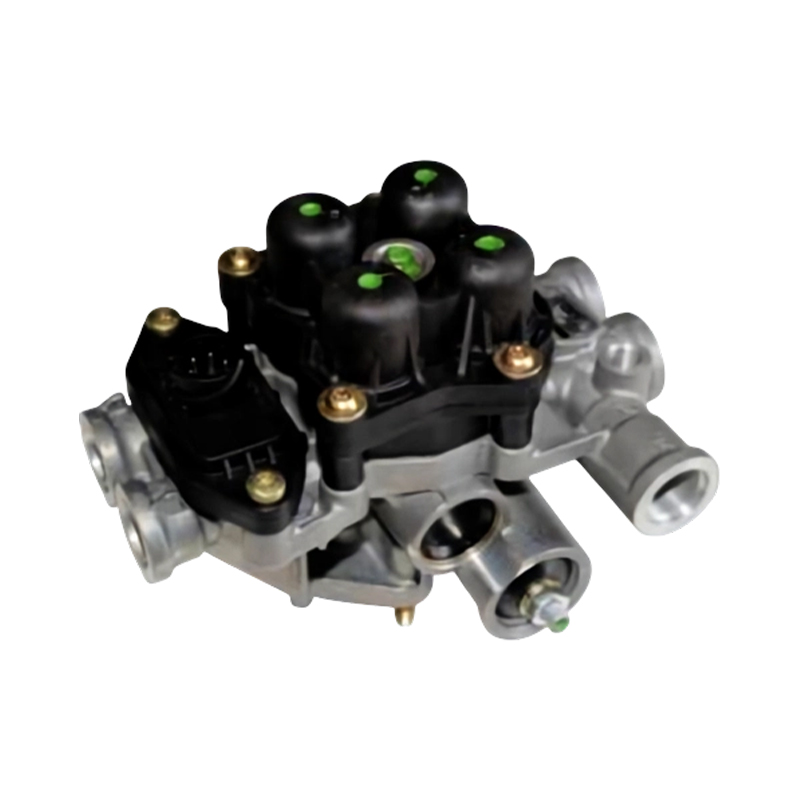
Zhejiang Gongzheng Auto Parts Factory specializes in commercial vehicle foot brake valves and related pneumatic components. The factory operates under ISO/TS 16949 and IATF 16949 quality management systems and supplies original equipment for major Chinese truck manufacturers, including FAW, JAC, Auman, and Dongfeng. To see the available configurations, explore our foot brake valve product range.
Foot Valve vs. Check Valve: What's the Difference?
Because a foot valve is technically a check valve, the terms are often used interchangeably. The distinction matters when you are choosing a component for a specific job.
| Feature | Foot Valve | Check Valve |
|---|---|---|
| Installation position | Bottom of the pump suction pipe, often submerged | Anywhere in a pipeline |
| Inlet design | Open inlet protected by a strainer or screen | Fitted connections on both inlet and outlet |
| Primary function | Prevent backflow, maintain pump prime, filter debris | Prevent backflow only |
| Best suited for | Pump suction applications | General pipeline protection |
In short, a foot valve is a specialized check valve with an integrated screen, built to sit at the intake of a pump. The same one-way principle also supports air brake systems, where check valves for commercial vehicle air systems keep compressed air moving in the correct direction through reservoirs and circuits.
Maintenance and Troubleshooting Tips
Foot valves face the dirtiest water in the system, so they need periodic attention. A practical rule is to inspect the strainer every three to six months, and more often in sandy or silty water.
Cleaning is straightforward. Lift the suction pipe slightly and lower it repeatedly in the water to shake loose debris from the screen. If flow remains restricted, pull the pipe out, remove the valve, and rinse the strainer with clean water. While the valve is open, check the disc and seat for wear, and replace the seal if it shows cracks or hardening.
Common failure signals include:
- Pressure drops at the discharge end — the most common sign of a clogged strainer.
- The pump struggles to start or loses prime overnight — the disc is not sealing, so water drains back into the source.
- Unusual noise or vibration — often cavitation caused by restricted suction.
Addressing these issues early is far cheaper than replacing a damaged pump. Regular strainer cleaning and a tightly sealing disc are the two habits that keep a foot valve reliable for years.
Conclusion
The purpose of a foot valve is to protect a pump system in three ways: prevent backflow, maintain prime, and filter debris. It is a small component with an outsized influence on pump reliability, energy cost, and operating convenience. In commercial vehicles, the foot brake valve plays a parallel role — it is the driver's direct control over braking pressure and, by extension, one of the most safety-critical valves on the truck.
Whether your system moves water or air, the same engineering philosophy applies. Choose a valve built to recognized quality standards, match it to the working environment, and maintain it on a schedule. Safety, reliability, and innovation are the priorities that keep both pumps and trucks running safely.
Copyright © Zhejiang Gongzheng Machinery Co., Ltd. All Rights Reserved.
