


Gongzheng
Gongzheng
Gongzheng
Gongzheng
Gongzheng
Gongzheng
Gongzheng
Gongzheng
Gongzheng
Gongzheng
Gongzheng
Gongzheng
Gongzheng
Gongzheng
Gongzheng
Gongzheng


Content
- 1 What Happens When the Foot Valve Goes Bad: A Truck Air Brake Perspective
- 2 How a Truck Foot Brake Valve Works in 60 Seconds
- 3 7 Clear Symptoms of a Failing Foot Valve
- 3.1 1. Audible Air Leak Around the Pedal or Valve Body
- 3.2 2. Spongy or Low Brake Pedal Feel
- 3.3 3. Delayed Brake Response
- 3.4 4. Brake System Pressure Drops When the Pedal Is Released
- 3.5 5. Uneven Braking Between the Two Service Circuits
- 3.6 6. Frequent Compressor Cycling or Low Reservoir Pressure
- 3.7 7. Brake Pedal Sticks or Fails to Return Fully
- 4 Why Foot Valves Fail: The Common Root Causes
- 5 How to Diagnose a Bad Foot Brake Valve: Step by Step
- 6 Can You Drive with a Failing Foot Valve? Safety Considerations
- 7 Repair or Replace? What to Consider
- 8 How to Extend the Life of Your Foot Brake Valve
What Happens When the Foot Valve Goes Bad: A Truck Air Brake Perspective
Ask a mechanic what happens when the foot valve goes bad, and you will get two different answers. In a home well system, a foot valve is a small check valve that holds water in a suction line. In a commercial truck, the foot valve — formally the foot brake valve or treadle valve — is the control point between the driver's right foot and the braking force at every wheel. This guide covers the truck version only, because its failure modes are far more serious.
A failing foot brake valve causes air leaks, weak or delayed braking, uneven circuit pressure, and pedal problems. Knowing the symptoms, the internal causes, and the correct test sequence will tell you whether to repair, replace, or stop driving.
How a Truck Foot Brake Valve Works in 60 Seconds
The foot brake valve is a proportional pressure-control valve. Depressing the treadle compresses a set of springs, which shifts an internal spool and opens the inlet port. Compressed air then flows from the reservoir to the service brake chambers. Deeper pedal travel compresses the springs further, producing higher output pressure. Releasing the pedal lets the springs return the spool, close the inlet, and open the exhaust port to vent downstream air.
Most truck foot brake valves use a dual-circuit design with two independent delivery paths. If one circuit fails, the second still supplies braking force to part of the vehicle. That redundancy is why a foot valve can fail gradually and still seem to work, until both internal paths degrade together.
Seals and the spring stack determine whether this arrangement behaves. Seals hold air where it belongs; springs translate pedal travel into a predictable output pressure. When either degrades, the symptoms below follow. For a closer look at the internal construction, read the detailed foot brake valve operating principle.
7 Clear Symptoms of a Failing Foot Valve
Each symptom lists what you observe, the internal cause, and the safety risk. If several appear together, the foot valve is the prime suspect.
1. Audible Air Leak Around the Pedal or Valve Body
With the engine off and the system at normal pressure, press and hold the pedal. A steady hiss at the pedal or beneath the cab floor means air is escaping through the valve. Worn spool seals, a damaged seat, or a leaking exhaust valve are the usual causes, and every lost pound of air reduces your braking reserve.
2. Spongy or Low Brake Pedal Feel
A soft, low pedal that needs deeper travel to produce the same stopping force usually means internal bypass leakage or weakened springs. Because the change is gradual, many drivers adapt; comparing against a same-model truck exposes the difference.
3. Delayed Brake Response
A half-second lag between pedal application and brake response points to a sticking spool or contaminated internal passages. At highway speed, that half-second adds real distance to every stop.
4. Brake System Pressure Drops When the Pedal Is Released
After you release the pedal, the gauge should hold steady. If pressure keeps falling, the exhaust port is not sealing or the inlet valve leaks backward. This symptom is often misdiagnosed as a brake chamber or line failure, so confirm it with the pressure-hold test before replacing other parts.
5. Uneven Braking Between the Two Service Circuits
A truck that pulls to one side, or brakes harder at one axle than another, may have an internal imbalance in the dual-circuit valve. Uneven spring or seal wear creates different pressures at the delivery ports, which can push the vehicle across a lane in a panic stop.
6. Frequent Compressor Cycling or Low Reservoir Pressure
The compressor cycles more often and the dash gauge hovers low because internal valve leakage bleeds the system down. Rule out the air dryer, protection valve, and visible fittings first, but keep the foot valve on the suspect list.
7. Brake Pedal Sticks or Fails to Return Fully
A pedal that returns slowly, stops partway, or must be hooked back with the toe suggests a broken return spring, failed linkage, or debris jamming the spool. If the pedal cannot fully return, the brakes stay lightly applied, overheating drums, glazing linings, and burning extra fuel.
| Symptom | Typical internal cause | Primary safety risk |
|---|---|---|
| Air leak at pedal or valve body | Worn seals or damaged seat | Reduced braking reserve |
| Spongy or low pedal | Weakened springs, internal bypass | Longer stopping distance |
| Delayed brake response | Sticking spool or contamination | Added reaction distance |
| Pressure drop after release | Exhaust or inlet seal failure | System pressure loss |
| Uneven circuit braking | Unequal seal or spring wear | Vehicle pull during braking |
| Frequent compressor cycling | Internal air leakage | Low reservoir pressure |
| Pedal sticks or returns slowly | Spring failure or debris | Dragging brakes and overheating |
Why Foot Valves Fail: The Common Root Causes
Four root causes account for nearly every foot brake valve failure.
Seal aging comes first. Valve seals work in hot, vibrating compressed air carrying moisture and oil. Rubber hardens, cracks, and loses elasticity, and air begins passing where it should not. Spring fatigue is second: the return and balance springs cycle on every brake application, and when their force fades, pedal feel and output pressure drift.
Internal contamination is third. Water, oil, rust particles, and fragments from an aging air dryer cartridge can score seats or jam the spool. That is why air treatment is maintenance, not an option. Mechanical wear from vibration and road shock loosens mountings and wears guide surfaces, speeding up seal failure.
How to Diagnose a Bad Foot Brake Valve: Step by Step
Perform these checks on level ground with the wheels chocked and the parking brake applied. If any step is unclear, have a certified technician complete the inspection.
- Static leak check. With the engine off and the system charged, hold the pedal down and listen at the valve body and exhaust port. A soap-and-water mix will bubble at the leak point if you cannot hear it.
- Pressure-hold test. Build the system to the operating pressure listed on the vehicle data plate, note the gauge, shut the engine off, and wait 10 to 15 minutes. If pressure falls faster than the manufacturer allows, the foot valve is a leading suspect.
- Circuit pressure comparison. Connect a test gauge to each delivery port, press the pedal fully, and compare the readings. A large difference indicates internal imbalance.
- Pedal return check. Press and release the pedal several times and watch whether it returns to the same rest position instantly. A slow-motion phone video documents subtle faults.
- Differential diagnosis. Rule out brake chambers, relay valves, and quick-release valves before condemning the foot valve. If you need a refresher, read the types of truck air brake valves explained.
Safety note: never disassemble a foot brake valve while the system is pressurized. Drain the air tanks completely before starting any repair work.
Can You Drive with a Failing Foot Valve? Safety Considerations
No, not beyond a short distance to a workshop, and only with extreme caution. Dual-circuit redundancy protects you while one circuit remains intact. Once the valve body itself is worn to heavy internal leakage, both circuits lose control together and no redundant design helps.
Failure is also unpredictable. A valve can leak mildly for weeks, then stick in a position that prevents effective braking on the next application. The braking system is not where you test limits on the road. If you must move the truck, drive slowly, increase following distance, and monitor pedal feel. If the pedal cannot be modulated even at low speed, have the truck towed.
Repair or Replace? What to Consider
A foot brake valve contains precision-lapped seats, matched springs, and seals built to tight tolerances. Rebuild kits exist, but they make sense only when the body is still within specification, which is hard to confirm without bench testing. For most trucks after years of service, replacement is more predictable and often cheaper than an uncertain rebuild.
Match the new valve to your vehicle's air brake configuration. Port size, pressure range, and dual-circuit layout must match the original. After installation, repeat the pressure-hold and circuit-balance checks before returning the truck to service.
Quality matters more than the brand sticker. A valve from a certified manufacturer with audited processes behaves consistently, and certification history is the strongest predictor of reliability. Our foot brake valve range is made in an IATF 16949-certified facility that supplies OEMs including FAW, JAC, Foton, and Dongfeng and exports to Europe, North America, and South America. When evaluating replacements, compare truck foot brake valve options, or start with the IATF 16949-certified foot brake valve as a reference.
How to Extend the Life of Your Foot Brake Valve
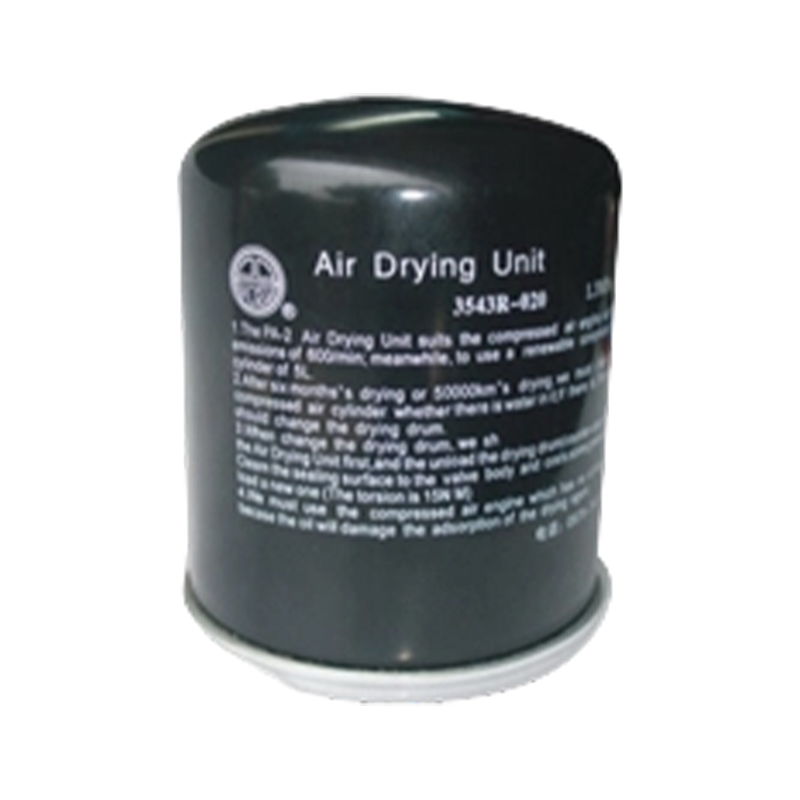
The most effective step any fleet can take is to keep the compressed air clean and dry. Moisture and oil are what destroy seals and score spool surfaces, making the air dryer the foot valve's first line of defense. Our guide to why brake air dryers matter for fleet maintenance explains the failure chain.
In routine operation, drain the air tanks on schedule, replace the dryer cartridge at the recommended interval, and treat pedal feel as a baseline. A pedal that behaves differently from the day the valve was installed is an early signal. Add the valve mounting, port fittings, and exhaust port to your preventive maintenance checklist. For hands-on cleaning steps, see how to keep your foot brake valve clean and functional.
Catching a failing foot valve early keeps a small repair from becoming a roadside emergency, and it is the cheapest brake insurance a fleet can buy.
Our Main Products
Copyright © Zhejiang Gongzheng Machinery Co., Ltd. All Rights Reserved.
