


Gongzheng
Gongzheng
Gongzheng
Gongzheng
Gongzheng
Gongzheng
Gongzheng
Gongzheng
Gongzheng
Gongzheng
Gongzheng
Gongzheng
Gongzheng
Gongzheng
Gongzheng
Gongzheng

Industry News
Why is Choosing the Right long stroke brake chamber Critical for Semi Truck Safety

Content
- 1 Core Functions: Double Protection of the spring brake chamber
- 2 Technical Parameter Comparison: long stroke brake chamber vs. Standard Specifications
- 3 Trailer System Application: Structural Optimization of the trailer brake chamber
- 4 Maintenance Essentials: Assessing the Operational Status of the semi brake chamber
- 5 Targeted Selection: Meeting Braking Needs for Different Road Conditions
The pneumatic braking system is the core of heavy-duty truck and trailer safety. The air brake chamber is the critical component that converts compressed air pressure into mechanical thrust. In the process of commercial vehicle maintenance and parts selection, choosing the appropriate stroke specifications based on different working conditions not only affects braking efficiency but also directly impacts driving safety and system durability.
Core Functions: Double Protection of the spring brake chamber
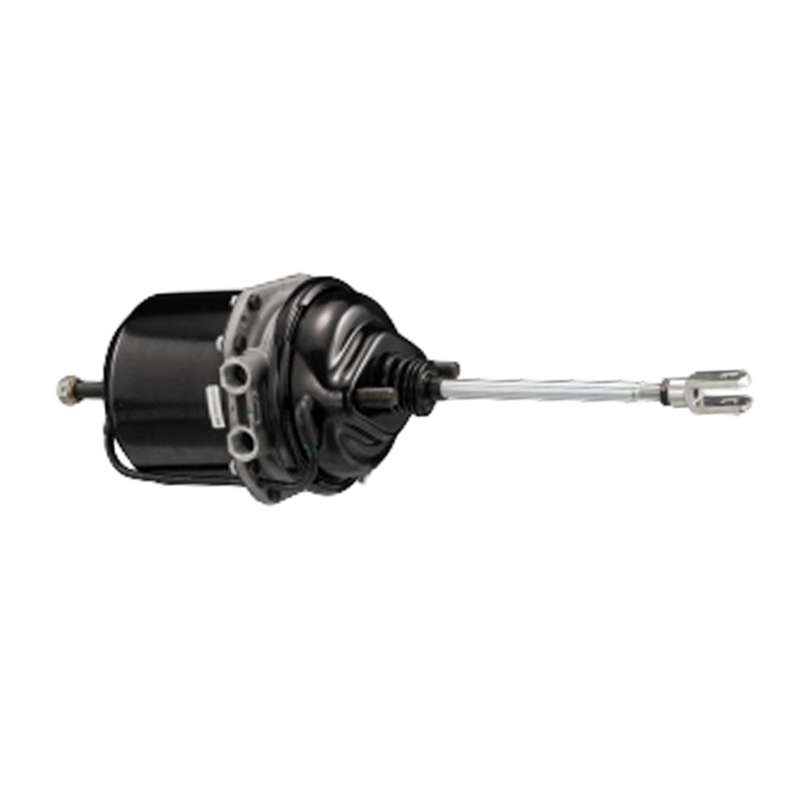
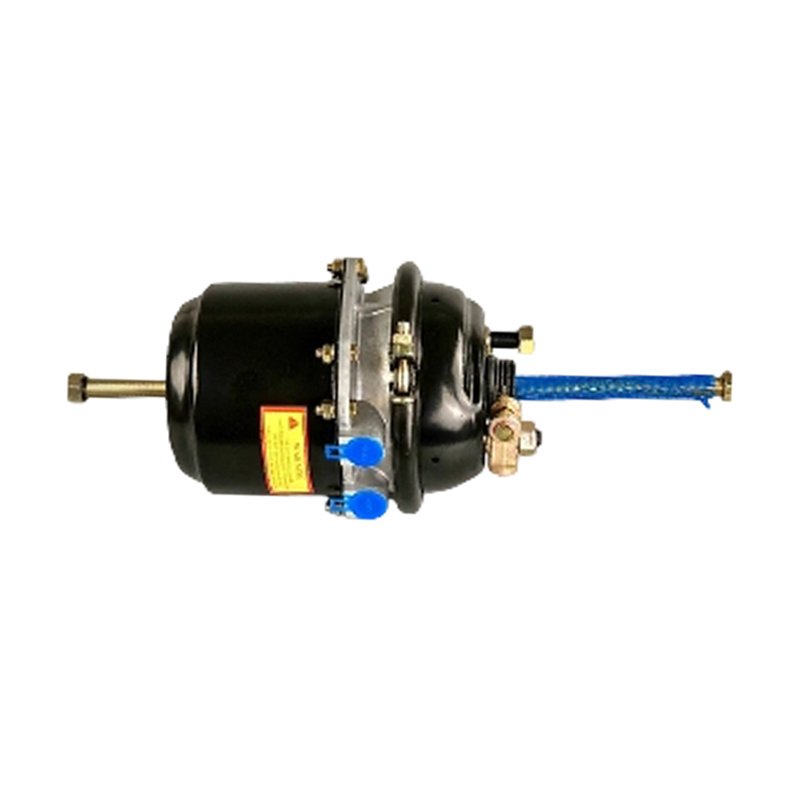
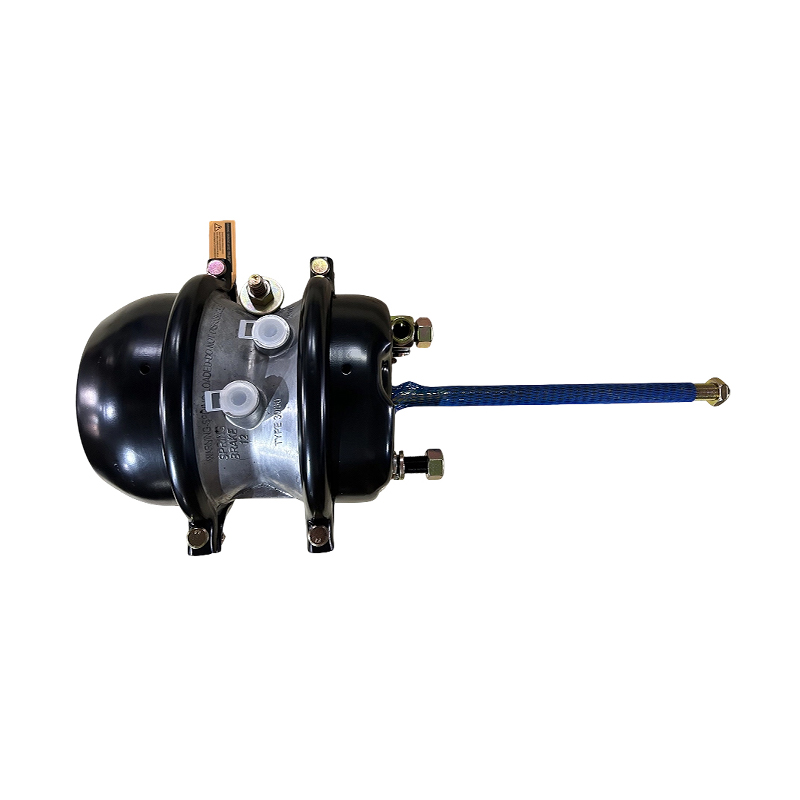
In heavy-duty logistics transportation, a semi brake chamber is typically divided into service brake chambers and parking brake chambers. Among them, the spring brake chamber utilizes a dual-chamber structure. The upper section relies on a powerful helical spring to provide parking and emergency braking functions; when the air circuit loses pressure, the spring automatically releases thrust to lock the wheels. The lower section is responsible for regular service braking.
This design ensures that the semi truck remains in a reliable braking state even during air loss. A high-quality spring brake chamber must possess excellent sealing properties to prevent internal springs from rusting or fatigue failure in high-pressure environments.
Technical Parameter Comparison: long stroke brake chamber vs. Standard Specifications
As transport loads increase, the issue of stroke loss in traditional chambers under high temperature or high load conditions becomes apparent. The long stroke brake chamber was designed to solve the risk of "brake fade" caused by brake wear or thermal expansion.
| Performance Indicator | short stroke brake chamber | long stroke brake chamber |
| Rated Stroke | Typically 2.5 inches (64mm) | Typically 3.0 inches (76mm) |
| Readjustment Limit | 2.0 inches (51mm) | 2.5 inches (64mm) |
| Thermal Fade Tolerance | Lower, easily reaches stroke limit | Higher, provides greater safety margin |
| Application Scenario | Light load, short-haul vehicles | Heavy load, long downhill or high-frequency braking |
From a safety perspective, the long stroke brake chamber provides extra stroke cushioning. When brake linings expand due to high temperatures, the long stroke design ensures the pushrod still has enough space to actuate the slack adjuster, maintaining stable braking force output.
Trailer System Application: Structural Optimization of the trailer brake chamber
For multi-axle trailers, the response speed and synchronization of the trailer brake chamber are vital. The trailer braking system needs to precisely match the traction of the lead vehicle to prevent "jackknifing" during emergency braking.
When installing a trailer brake chamber, technicians must strictly check the length and angle of the pushrod. Since trailers are exposed to harsh external environments for long periods, the housing of the trailer brake chamber usually requires high-strength anti-corrosion treatment. Whether it is a semi brake chamber or a trailer-specific unit, the quality of the rubber diaphragm directly determines its service life. High-quality diaphragms can withstand millions of reciprocating cycles without cracking or leaking.
Maintenance Essentials: Assessing the Operational Status of the semi brake chamber
During routine inspections, determining whether an air brake chamber needs replacement is based on several key points:
Air Leak Detection: Under braking conditions, apply soapy water to the chamber connections and line fittings to observe for bubbles.
Pushrod Stroke Measurement: This is a critical step in distinguishing between a short stroke brake chamber and long stroke specifications. If the pushrod stroke exceeds the specified readjustment limit, adjustment or replacement is mandatory.
Visual Inspection: Check the chamber housing for dents, cracks, and loose mounting bolts. For the spring brake chamber, specifically check if the mechanical release bolt is in the correct position to prevent accidental spring release.
Targeted Selection: Meeting Braking Needs for Different Road Conditions
When selecting parts for a brake chamber semi truck, one must refer to the original manufacturer's technical specifications. Because the short stroke brake chamber has a relatively compact structure, its response time is extremely fast, making it suitable for urban distribution where braking frequency is very high. For heavy-duty trucks frequently traveling through mountainous areas on long hauls, upgrading to a long stroke brake chamber is an effective way to increase system fault tolerance.
Ensuring stable performance of the air brake chamber not only significantly reduces maintenance costs but also improves fuel economy by reducing brake drag. Every precision-machined part, from high-strength springs to wear-resistant diaphragms, provides solid safety assurance for the long journeys of commercial vehicles.
Our Main Products
Copyright © Zhejiang Gongzheng Machinery Co., Ltd. All Rights Reserved.
