


Gongzheng
Gongzheng
Gongzheng
Gongzheng
Gongzheng
Gongzheng
Gongzheng
Gongzheng
Gongzheng
Gongzheng
Gongzheng
Gongzheng
Gongzheng
Gongzheng
Gongzheng
Gongzheng


In the air brake system of heavy-duty commercial trucks and semi-trailers, the driver's precise control over trailer braking is directly related to the driving safety of the entire vehicle. Whether it is deceleration control on long downhill sections or parking and starting on slippery roads, various hand valve components play a core role. From a professional technical perspective, this article deeply analyzes the working principles, system applications, and common troubleshooting strategies of hand brake valve, air brake hand valve, and related components.
Core Control Components of the Tractor-Trailer Braking System
In daily operations, the "trolley valve" or "hand control valve" commonly used by drivers has a clear classification and functional positioning at the technical level. The air brake hand control valve is usually installed on the dashboard or the right side of the steering column in the cab, allowing the driver to operate it at any time.
The core function of this component is to provide independent braking control for the trailer circuit. When a tractor-trailer is driving on harsh road conditions, if the vehicle tends to push out or skid, the driver can operate the semi truck hand valve or tractor hand valve to apply brakes to the trailer independently. By utilizing the trailing resistance of the trailer to straighten the vehicle body, dangerous situations like jackknifing can be effectively avoided. Therefore, the trailer brake hand valve is not only a tool for adjusting braking force, but also an active safety line of defense in heavy-duty transportation.
In-Depth Analysis of Mechanical Structure and Pneumatic Control Parameters
The performance of a pneumatic control valve depends directly on its internal valve spool structure, spring stiffness, and port design. As the core for controlling dual-circuit or single-circuit trailer braking systems, the hand valve tractor trailer and truck hand brake valve have strict technical indicators for pneumatic response parameters.
The following is a comparison of the core technical parameters and characteristics between typical commercial vehicle air hand control valves and line control valves:
| Parameters / Technical Indicators | air brake hand valve (Standard Valve) | glad hand quick release valve (Quick Release Valve) |
| Working Pressure | 0.8 MPa - 1.0 MPa | 0.8 MPa - 1.2 MPa |
| Max Pressure | 1.3 MPa | 1.5 MPa |
| Temperature Range | -40°C to +80°C | -45°C to +80°C |
| Port Thread | M16x1.5 or NPT 1/4 | M22x1.5 or NPT 1/2 |
| Response Time | 0.2 seconds or less | 0.05 seconds or less (Fast Exhaust) |
| Sealing Material | HNBR / EPDM | FKM / Polyurethane |
| Body Material | Alloy Die-casting | Die-cast Aluminum / Anti-corrosion Coated Iron |
Through the parameter comparison, it can be seen that the hand brake valve focuses on the progressive proportional control of brake air pressure, requiring the internal valve spool to have extremely high linear adjustment capability, so that the driver can accurately output air pressure from 0 to 0.8 MPa according to the handle stroke. On the other hand, the glad hand quick release valve located at the connection between the end of the pipeline and the trailer focuses on extremely short response times and efficient exhaust flow, which can quickly release the compressed air in the trailer brake chamber when the brake is released, preventing brake drag caused by overheated brake pads.
Common Fault Diagnosis and On-Site Technical Solutions
Pneumatic system contamination, residual moisture, and seal wear are the main reasons for the failure of braking valve components. The following analyzes typical faults of the air brake hand control valve and its peripheral systems and provides closed-loop solutions.
Continuous Air Leakage at the Valve Port
Fault Description: When the handle is in the released or fully braked position, there is a continuous air leaking sound from the exhaust port, making it impossible for the pressure gauge pointer to maintain within the safe working range.
Technical Cause: This is usually due to the failure of the air dryer, which allows moisture and oil sludge in the pipeline to enter the inside of the truck hand brake valve, causing the rubber valve pad to swell or carbonize. Alternatively, tiny sand particles in the air can get stuck between the valve seat and the valve spool, leading to poor sealing.
Solution: First, drain the system air pressure, remove the valve body, and check the wear of the internal O-ring and valve pad. If it is stuck due to foreign objects, thoroughly clean the valve cavity with a low-residue cleaner and apply special pneumatic silicone grease. At the same time, the front-end air dryer filter element must be checked and replaced.
Delayed Trailer Brake Release or Failure to Release
Fault Description: After pushing back the trailer brake hand valve handle, the trailer wheels still experience lock-up or dragging, and the wheel hub temperature rises sharply.
Technical Cause: In addition to the fatigue fracture of the internal return spring of the semi truck hand valve, a more common cause is that the glad hand quick release valve at the connection between the tractor and the trailer is blocked or its internal one-way valve spool is stuck, preventing the air pressure in the trailer control line from exhausting rapidly through the quick release valve.
Solution: Give priority to checking the quick release valve at the front of the trailer. Remove the valve component and test whether it can exhaust to the atmosphere immediately when losing control-end air pressure. If the exhaust passage of the quick release valve is blocked, replace it directly with a high-performance quick release valve component to ensure synchronization of the tractor and trailer braking.
Abnormal Handle Stroke Feedback
Fault Description: When operating the tractor hand valve, the handle feels loose, lacks progressive damping feedback, or cannot be locked in the designated position.
Technical Cause: Wear of the internal positioning steel ball, damage to the cam slot rail, or failure of the regulating spring inside the hand control valve.
Solution: This type of mechanical structure wear is irreversible damage. To ensure driving safety, it is recommended to directly replace the entire air brake hand valve assembly that meets the original factory matching standards. It is strictly forbidden to modify the internal spring structure without authorization.
By routinely performing strict water and sewage drainage maintenance on the brake pipelines, and ensuring that the hand valve tractor trailer as well as related pneumatic path valves are in optimal working condition, the operational safety efficiency of heavy-duty fleets can be significantly improved, and severe braking accidents can be eliminated.
Our Main Products
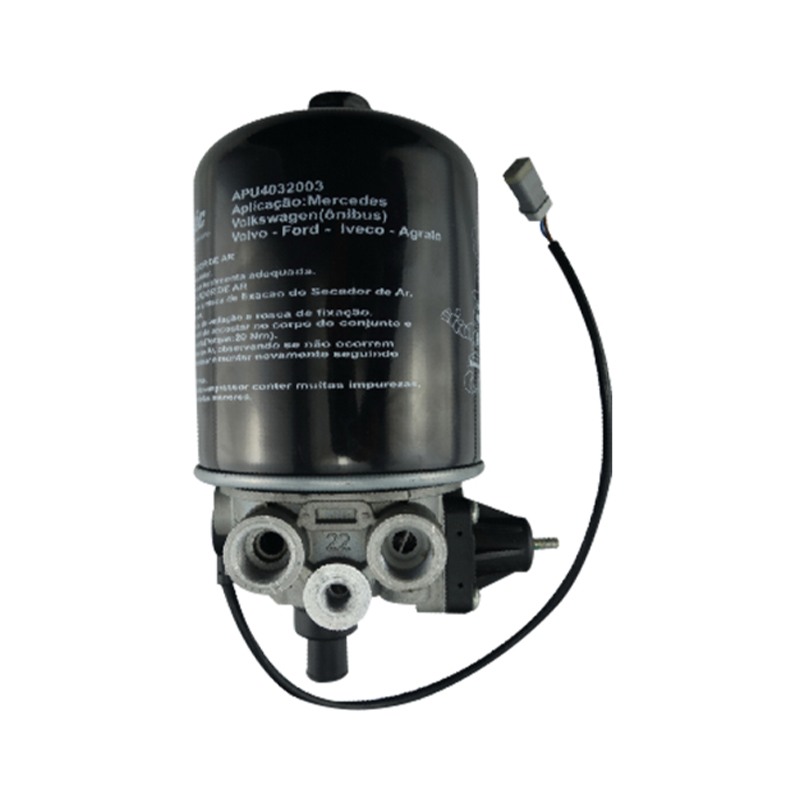
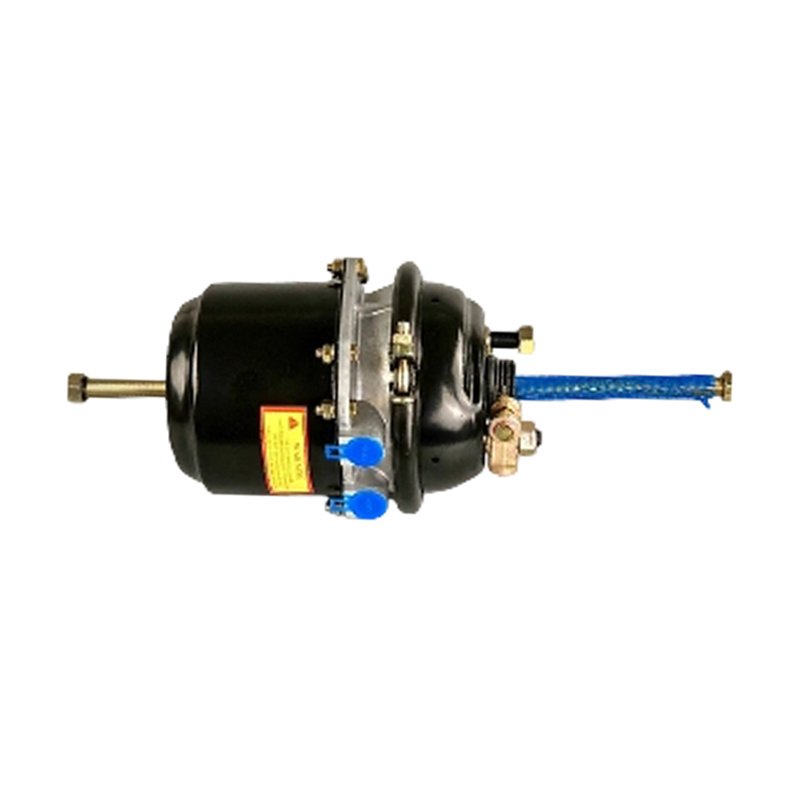
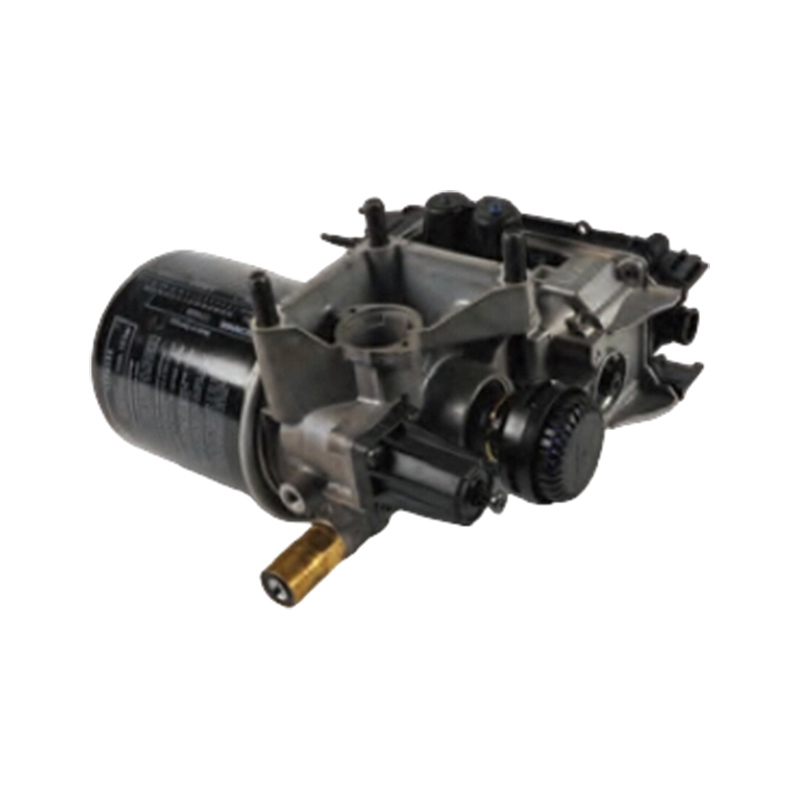
Copyright © Zhejiang Gongzheng Machinery Co., Ltd. All Rights Reserved.
