


Gongzheng
Gongzheng
Gongzheng
Gongzheng
Gongzheng
Gongzheng
Gongzheng
Gongzheng
Gongzheng
Gongzheng
Gongzheng
Gongzheng
Gongzheng
Gongzheng
Gongzheng
Gongzheng


Content
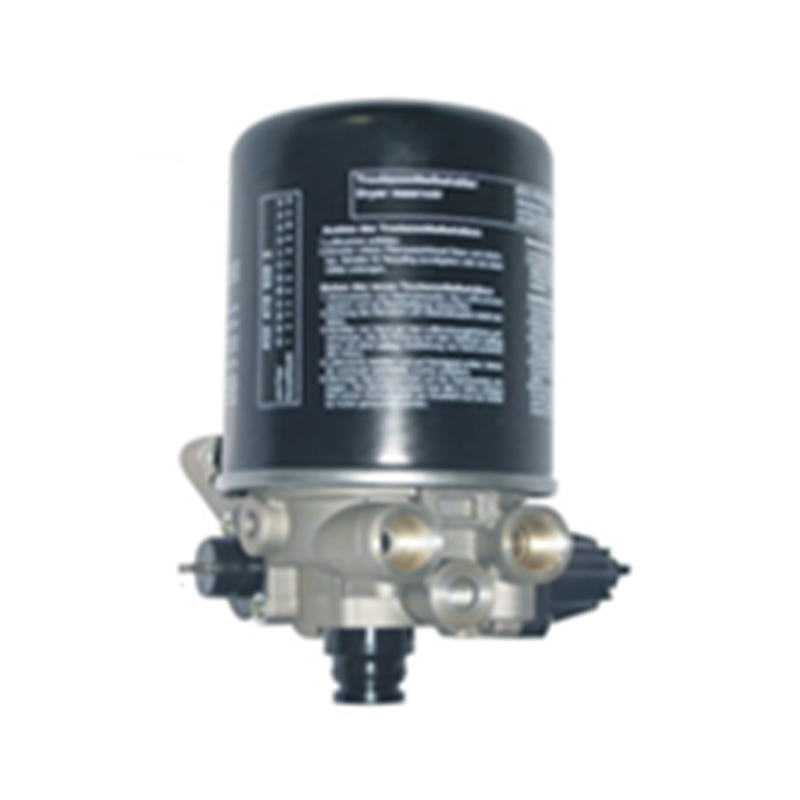
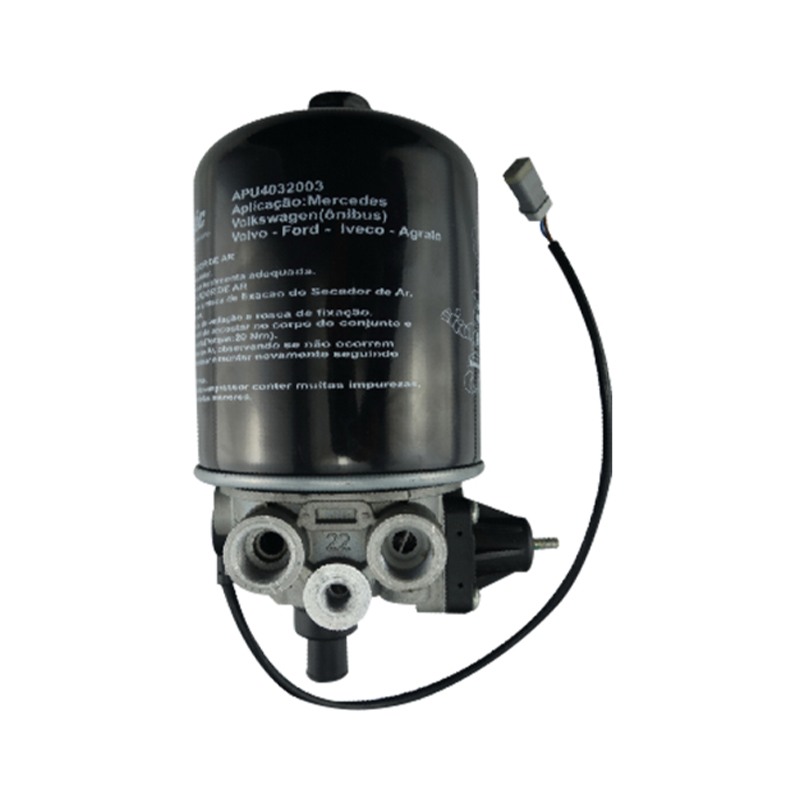
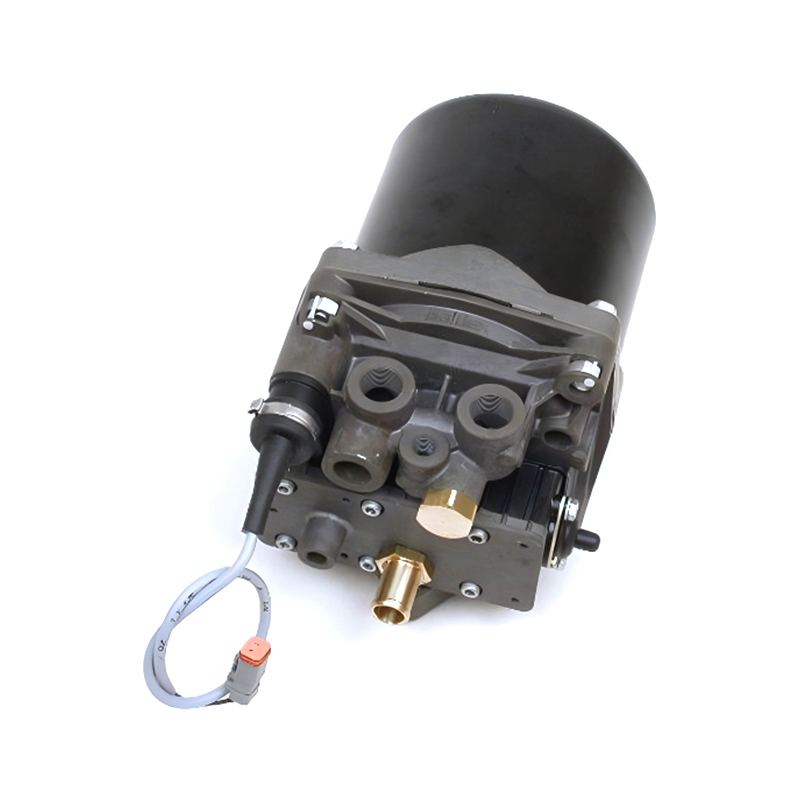
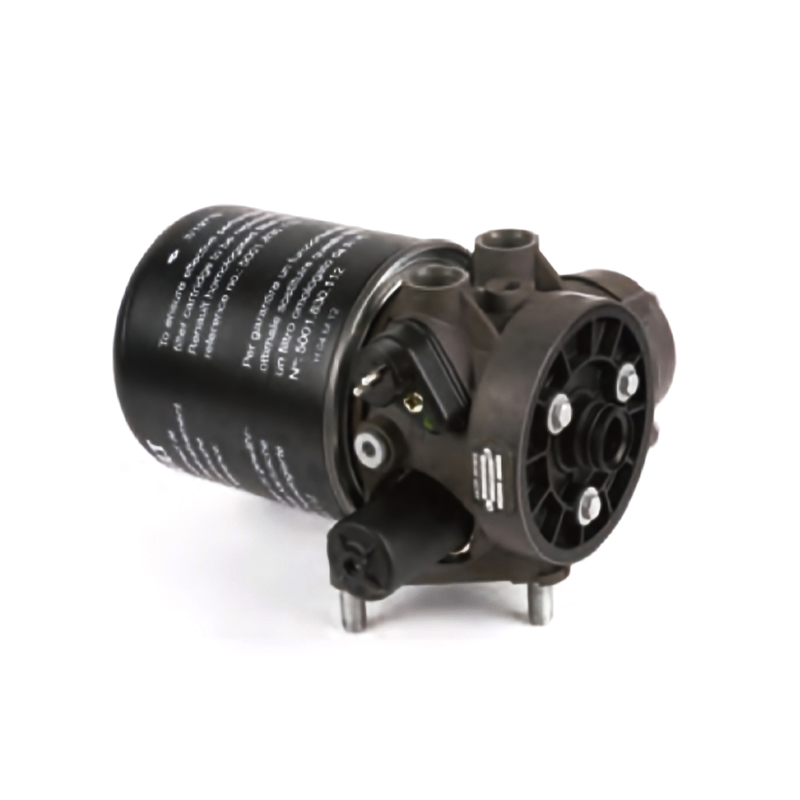
In the commercial vehicle pneumatic braking system, the Brake Air Dryer plays a critical role beyond filtering moisture and oil. It manages the regeneration of the desiccant through the Purge Valve. However, a persistent leak at the Purge Valve is one of the most frequent maintenance issues. This failure leads to excessive Air Compressor cycling, premature wear of components, and potentially dangerous delays in system pressure buildup. Understanding the professional technical causes behind this leakage is essential for effective diagnostics.
Contamination and Seal Degradation of the Purge Valve Assembly
The Purge Valve utilizes a rubber seal or O-ring to maintain system integrity. When the Air Compressor reaches its cut-out pressure, the dryer initiates the purge cycle, exhausting accumulated contaminants at high velocity.
Debris Entrapment: Carbon deposits from the compressor, metallic shards, or hardened oil sludge can become lodged between the valve seat and the seal. Even a microscopic particle can prevent the piston from seating fully, resulting in a constant audible leak.
Material Fatigue: Long-term exposure to high-temperature compressed air and chemical residues causes the rubber seals to harden, crack, or lose elasticity. Once the seal loses its profile, it can no longer provide a gastight interface against the valve seat.
Malfunction of the Governor Signal Line
The operational logic of the Brake Air Dryer is dictated by the Governor. When the system reaches maximum pressure, the Governor sends a pneumatic signal to the control port of the dryer to open the Purge Valve.
Residual Signal Pressure: If the Governor fails to exhaust the signal air once the system pressure drops to the cut-in point, or if there is a restriction in the signal line, the Purge Valve will remain partially open. This "trapped" signal prevents the valve from closing, causing a continuous leak during the build cycle.
Pneumatic Line Freezing: In cold climates, moisture within the signal line can freeze, mechanically locking the air pressure inside the control chamber and forcing the valve to stay in the exhaust position.
Failure of the Internal Check Valve
A critical but often overlooked component within the Brake Air Dryer is the internal Check Valve. Its primary function is to prevent compressed air stored in the Service Tanks from flowing back through the dryer and out of the Purge Valve during the regeneration cycle.
System Backflow: If this Check Valve is compromised by debris or wear, it allows the entire reservoir volume to leak backward through the desiccant bed and out of the exhaust port. This type of leak is characterized by a rapid drop in reservoir pressure even when the engine is off.
Desiccant Cartridge Saturation and Oil Carryover
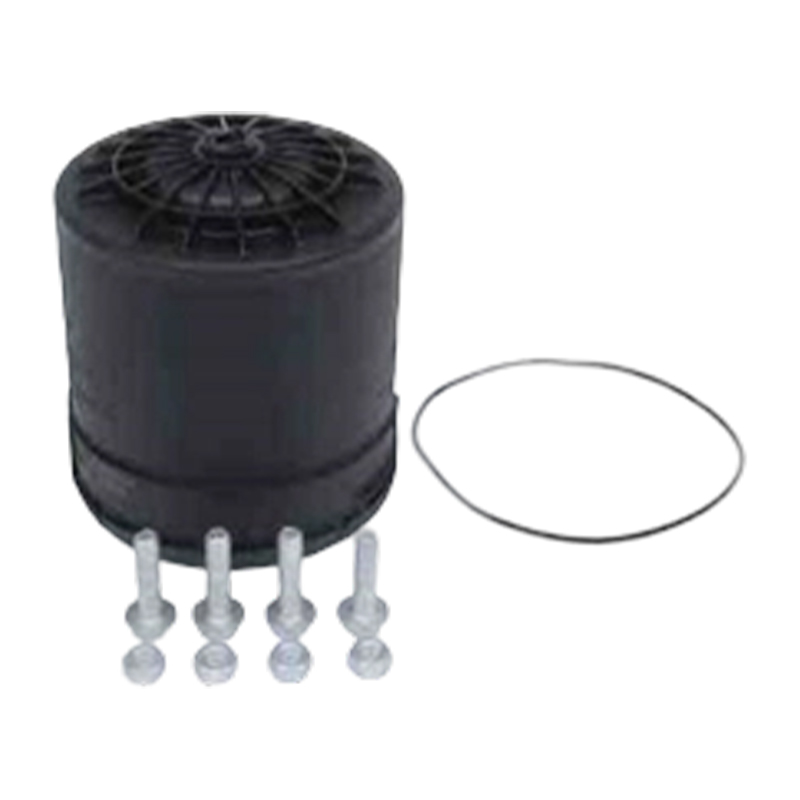
The Desiccant Cartridge serves as the primary filter. When its service life is exceeded, it contributes to valve failure.
Oil Overload: If the compressor exhibits excessive oil carryover, the Desiccant Cartridge becomes saturated. Emulsified oil and water bypass the filtration media and settle in the Purge Valve housing, creating "sludge" that increases mechanical friction and prevents the valve spring from closing the piston properly.
Desiccant Breakdown: In low-quality cartridges, the desiccant beads can pulverize into fine dust. This abrasive powder enters the base assembly, scoring the polished surfaces of the valve bore and destroying the seals.
Heater Element Failure and Ice Formation
For vehicles operating in freezing temperatures, the Heater Element at the base of the Brake Air Dryer is vital for preventing the Purge Valve from seizing.
Ice Obstruction: If the heater fails, moisture that collects at the exhaust port will freeze. Ice crystals can physically block the valve piston from returning to its closed position. This is a seasonal failure that typically manifests as a sudden inability to build air pressure during morning startups.
Turbo Protection Valve Complications
In modern systems integrated with turbocharged air compressors, a Turbo Protection Valve is often included. This valve prevents the loss of turbocharger boost pressure during the purge cycle. A mechanical failure within this specific valve sub-assembly can interfere with the internal pressure balance of the dryer, leading to irregular leakage from the main exhaust port.
Diagnosing these issues requires a systematic approach, starting with the verification of the Governor signal followed by an inspection of the Purge Valve rebuild kit and the Coalescing Filter integrity.
Copyright © Zhejiang Gongzheng Machinery Co., Ltd. All Rights Reserved.
